Seoul

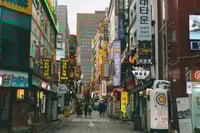
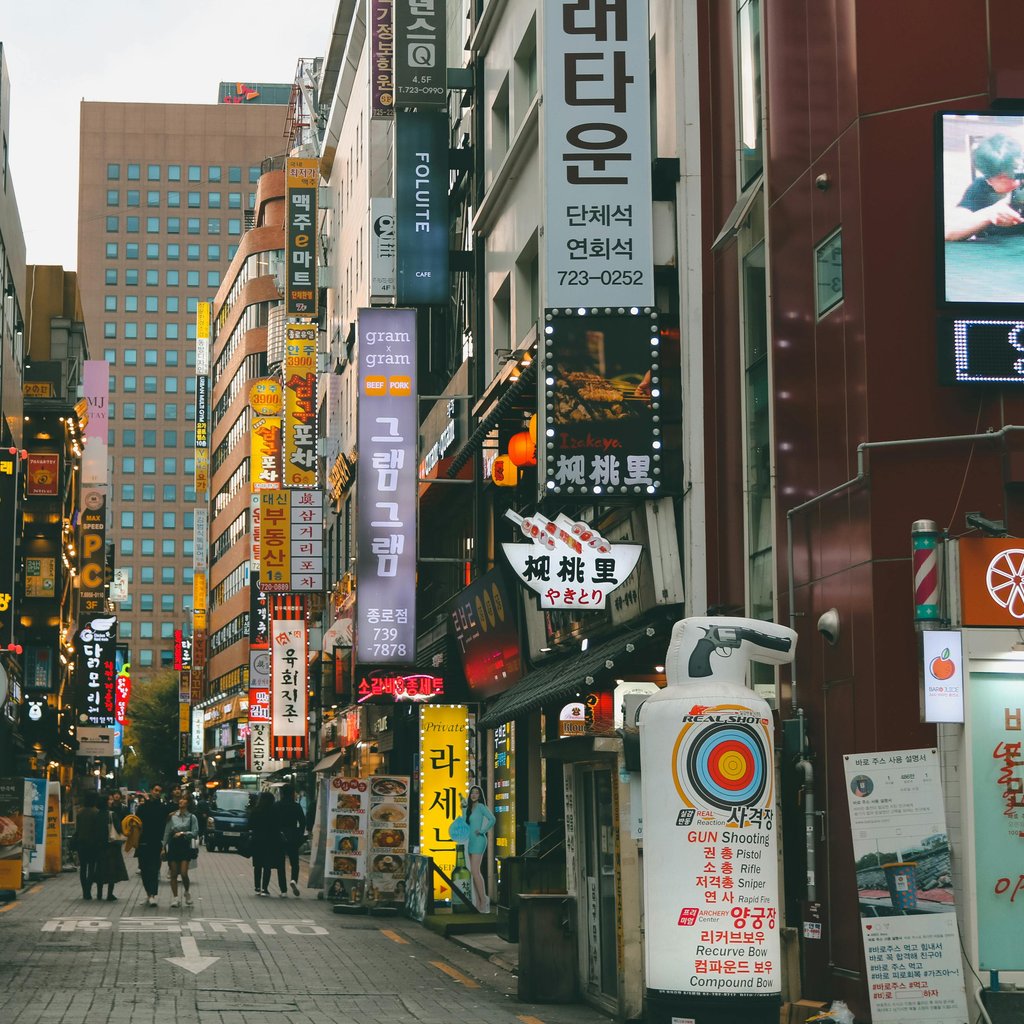
Bustling street in Seoul with vibrant signs and people walking. Captures urban life in South Korea.
Khoa Nguyen, Pexels

Seoul, South Korea, is a dynamic metropolis that seamlessly blends rich historical traditions with cutting-edge modernity and pop culture. It offers visitors a vibrant urban experience through its ancient palaces, traditional villages, diverse culinary landscape, and extensive shopping districts.

For socializing, visitors will find distinct districts to connect with other tourists and locals. Hongdae is a youthful and energetic area, popular among students and backpackers, offering lively nightlife, street performances, and affordable bars. Itaewon stands out as Seoul's international hub, known for its multicultural atmosphere, diverse dining, and foreigner-friendly bars and clubs, making it a prime spot for meeting people from around the world. Gangnam provides an upscale social scene with luxurious shopping and high-end nightlife, including exclusive clubs and rooftop bars. Additionally, Myeongdong offers a bustling evening environment with street food and shopping that attracts many visitors.

Top 8 Things to do in Seoul

Seoul offers a rich tapestry of experiences, from exploring ancient palaces and traditional villages to savoring diverse culinary delights and immersing oneself in vibrant modern districts.

1. Gyeongbokgung Palace

Stepping into Gyeongbokgung Palace transports one to the Joseon Dynasty, allowing visitors to witness the grandeur of Korea's largest and most elegant royal palace. The daily Changing of the Royal Guard ceremony is a highlight, showcasing historical traditions. Many choose to enhance their visit by renting a hanbok, the traditional Korean attire, which also grants free entry to the palace grounds and provides memorable photo opportunities.

Cost: Admission is approximately 3,000 KRW for adults and 1,500 KRW for children. Entry is free for those wearing a hanbok. Hanbok rental costs vary but are widely available near the palace.

Transport: The most convenient way to reach the palace is by subway to Gyeongbokgung Station (Seoul Subway Line 3, Exit 5) or Gwanghwamun Station (Seoul Subway Line 5, Exit 2). Taxis are also readily available.
2. Bukchon Hanok Village

Wandering through Bukchon Hanok Village offers a unique glimpse into traditional Korean life, nestled between the grand palaces. This beautifully preserved residential area features traditional hanok houses, many of which still have residents. It is important to explore quietly and respectfully. The village also hosts charming boutiques, craft stores, workshops, and tea rooms. For expansive views of the area, visiting the Bukchon Observatory is recommended.

Cost: Access to Bukchon Hanok Village is free.

Transport: Reach Anguk Station (Subway Line 3), then it is a short walk or a ride on the local Jongno 02 bus. A taxi from central areas like Insadong or the palaces costs approximately 3,900 KRW.

3. N Seoul Tower

Ascending Namsan Mountain to N Seoul Tower provides unparalleled 360-degree panoramic views of Seoul's sprawling cityscape and beyond. This iconic communication and observation tower is a popular spot, especially during sunset and evening hours when the city lights up. The base of the tower features various attractions, including the famous 'love locks'.

Cost: Entry to the observation deck costs around 16,000 KRW for adults. The Namsan Cable Car, a popular way to reach the tower, costs approximately 11,000 KRW for a one-way adult ticket and 14,000 KRW for a round trip. Discounted tickets can often be purchased online. Alternatively, shuttle buses to the tower typically cost around 1,400 KRW.

Transport: Various Namsan Shuttle Buses (e.g., No. 01A, 02, 03, 05) operate from different subway stations (e.g., Chungmuro Station, Dongguk University Station, Jongno 2-ga), costing about 1,400 KRW using a T-money card. The Namsan Cable Car departs near Myeongdong Station (Exit 3). Taxis can also reach the base of the tower, with fares around 7,500-9,000 KRW from central Seoul.

4. Gwangjang Market

Exploring Gwangjang Market offers a vibrant sensory experience into Korea's traditional culinary scene. As one of Seoul's oldest and largest traditional markets, it is renowned for its diverse and authentic street food. Visitors can enjoy popular dishes such as bindaetteok (mung bean pancakes), tteokbokki (spicy rice cakes), and mayak gimbap (mini seaweed rice rolls). It is advisable to bring cash for purchases.

Cost: Entry to the market is free, with individual food items varying in price but generally affordable.

Transport: The market is in the Dongdaemun area. The closest subway access is typically Jongno 5-ga Station (Seoul Subway Line 1).

5. Myeongdong Shopping Street & Street Food

Myeongdong is a bustling district that comes alive with extensive shopping opportunities and a vibrant street food scene. It is a prime destination for K-beauty products, fashion, and souvenirs. As evening approaches, the main streets transform into a lively night market with numerous food stalls offering a wide array of Korean snacks and dishes. While a lively experience, street food here can be slightly pricier than in other markets. Cash is widely accepted.

Cost: Free to enter and explore. Street food items generally range from 2,000 to 6,000 KRW, with some specialty items like grilled lobster costing more (15,000-18,000 KRW).

Transport: Access Myeongdong Station (Seoul Subway Line 4, Exit 6), which leads directly into the heart of the shopping street.

6. Hongdae

Hongdae pulses with youthful energy, driven by its proximity to art universities. This energetic district is a hub for nightlife, street performances, live music, and unique cafes and shops. It offers a dynamic experience of contemporary Korean youth culture, with plenty of opportunities for entertainment, dining, and late-night socializing.

Cost: Costs vary depending on activities such as dining, drinks, and shopping. Mixed drinks and beer in bars typically range from 5,000 to 10,000 KRW.

Transport: Hongdae is directly accessible via Hongik University Station (Seoul Subway Line 2 or Airport Railroad Express AREX). Subway fares are approximately 1,250 KRW. Night buses, such as the N26, also serve the area, with fares around 2,150 KRW.

7. Demilitarized Zone (DMZ) Tour

A visit to the Demilitarized Zone (DMZ) provides a somber yet crucial insight into the Korean War and the ongoing division of the peninsula. Tours typically include significant historical sites like the Third Infiltration Tunnel, Dora Observatory (offering a rare view into North Korea), Imjingak Park, and Dorasan Station. Visitors must carry their passports for entry.

Cost: Most tours are shuttle bus packages. A typical shuttle bus tour from Seoul, including transport, can cost around $27.20 to $31 (approximately 37,000-42,000 KRW). An additional DMZ admission fee of around $10 (9,200 KRW) is often required, payable on-site. Private taxi hire can be very expensive, around 95,000-120,000 KRW one way.

Transport: The DMZ is best visited via organized tours, which typically include round-trip shuttle bus transportation from designated pick-up points in Seoul (e.g., President Hotel near City Hall Station). Public transport options are limited and not recommended.

8. Jogyesa Temple

Jogyesa Temple stands as a peaceful oasis in the bustling heart of Seoul, serving as the chief temple of the Jogye Order of Korean Buddhism. It offers a serene escape, adorned with vibrant lanterns and ancient trees, providing a space for reflection and a glimpse into Korean Buddhist practices. The temple occasionally hosts events like the Lotus Lantern Festival and offers temple stay programs.

Cost: Admission to Jogyesa Temple is free.

Transport: The temple is easily accessible by subway. Take Seoul Subway Line 3 to Anguk Station (Exit 6) or Seoul Subway Line 1 to Jonggak Station (Exit 2), followed by a short walk. Various bus routes also serve the area.

Discover destinations in South Korea