Ginza

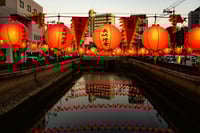
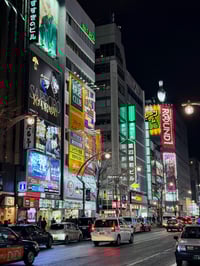
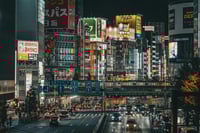
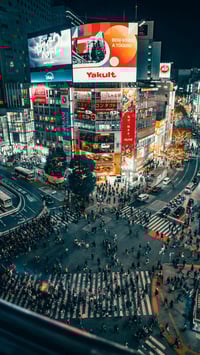
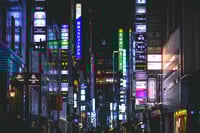
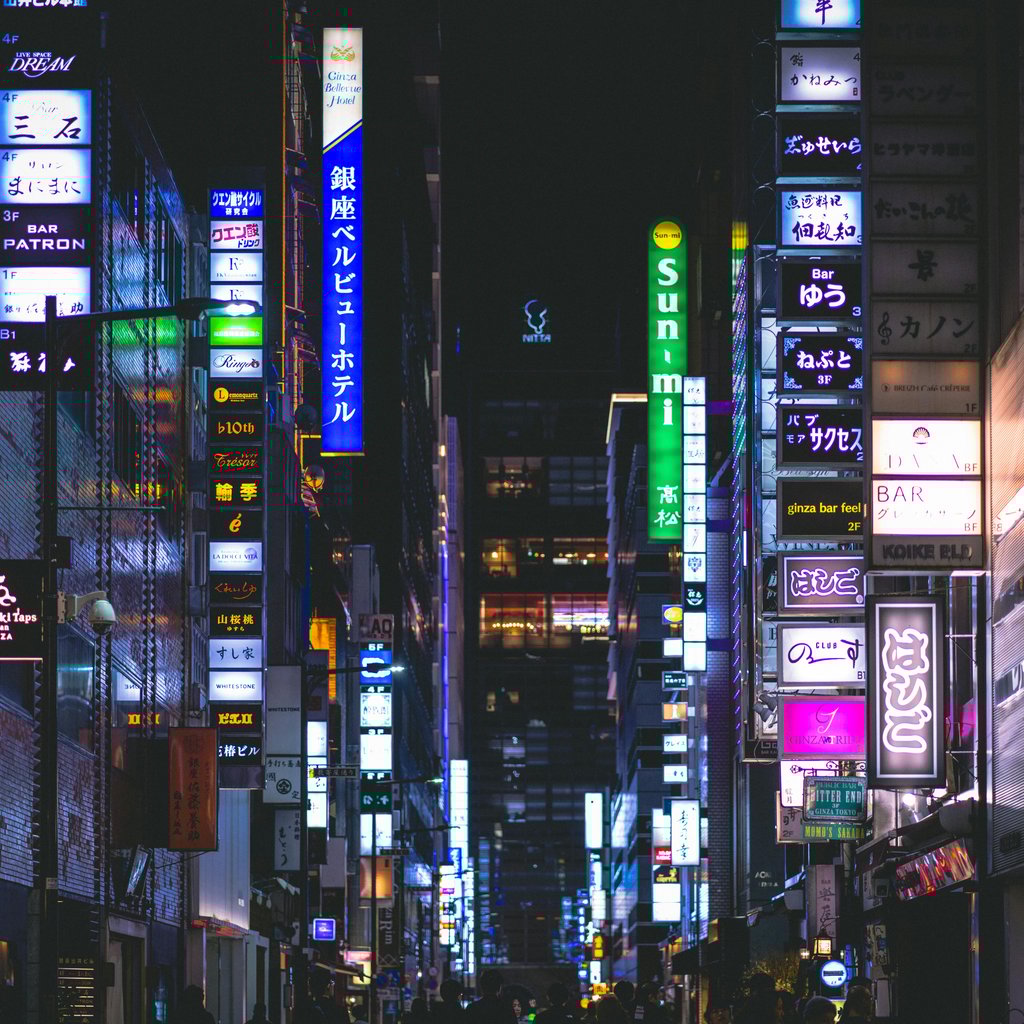
Colorful neon signs illuminate the bustling streets of Ginza, Tokyo at night, capturing urban nightlife.
Andrea De Santis, Pexels

Ginza is a distinguished Tokyo district renowned for its luxury shopping, diverse culinary scene, and vibrant cultural offerings, attracting visitors who seek a blend of high-end experiences, modern trends, and historical elegance.

For those looking to socialize, the areas beneath the elevated train tracks, such as Yurakucho Gado-shita Dining, offer a more relaxed atmosphere with numerous eateries. Additionally, Ginza features various sophisticated cocktail bars and trendy nightlife spots where one can enjoy an evening out.

Top 6 Things to do in Ginza

Experiences range from exploring luxury retail and traditional arts to discovering contemporary galleries and serene gardens.

1. Stroll Chuo Dori and Experience Luxury Shopping

Walk Ginza's iconic main street, Chuo Dori, which transforms into a 'pedestrian paradise' on weekend afternoons, allowing for a leisurely exploration. This provides an opportunity to observe the vibrant street life and the facades of renowned luxury department stores like Wako, Mitsukoshi, and Matsuya, as well as flagship designer boutiques. This experience highlights Ginza's reputation as a premier shopping district and a hub of modern trends.

Cost: Free for strolling and window shopping; actual purchases vary widely.

Transport: Chuo Dori is the central avenue of Ginza, easily accessible from Ginza Station (Ginza, Marunouchi, Hibiya Lines) and Higashi-Ginza Station (Hibiya, Asakusa Lines). All activities are within walking distance.

2. Attend a Kabuki Performance at Kabuki-za Theatre

Experience Kabuki, a traditional Japanese performing art recognized as a UNESCO World Intangible Cultural Heritage. The Kabuki-za Theatre offers both full performances and shorter 'single-act' tickets, ideal for those with limited time or new to Kabuki. English subtitle guides are available for rent, enhancing understanding of the intricate drama, dance, and music.
Cost: Full performance tickets range from approximately ¥3,800 to ¥30,000+ (around $25 - $200+). Single-act tickets are more affordable, typically ¥500 to ¥2,000 (around $3.50 - $13.50), available for purchase on the day of the show. English subtitle guides cost ¥500, with a refundable ¥1,000 deposit.

Transport: The theatre is directly connected to Higashi-Ginza Station (Hibiya Line, Asakusa Line). It is also a short walk, about 8 minutes (690 meters), from Ginza Station.

3. Discover Ginza Six's Rooftop Garden and Tsutaya Books

Explore Ginza Six, a large, modern shopping complex that also serves as a cultural hub. Its spacious rooftop garden provides a tranquil green space with panoramic views of the city skyline, offering a refreshing respite from the bustling streets below. Inside, visit Ginza Tsutaya Books on the 6th floor, a destination known for its extensive collection of art books and frequent art installations, combining retail with cultural appreciation.

Cost: Free to enter Ginza Six, access the rooftop garden, and browse Tsutaya Books. Costs apply for purchases and dining within the complex.

Transport: Located centrally in Ginza, Ginza Six is easily accessible by foot from Ginza Station.

4. Explore Ginza's Art Galleries

Ginza boasts a high concentration of art galleries, many of which offer free admission. Engage with diverse artistic expressions, from traditional to contemporary Japanese art. Notable galleries include the Shiseido Gallery, recognized as Japan's oldest gallery, the Pola Museum Annex, and the Ginza Graphic Gallery, providing enriching cultural experiences throughout the district.

Cost: Most galleries offer free admission.

Transport: Galleries are located throughout Ginza and are mostly within walking distance of each other and major subway stations.

5. Dine in Ginza: From Gourmet Experiences to Casual Eats

Indulge in Ginza's celebrated culinary scene. The district is renowned for its high-end dining, including sophisticated sushi restaurants and Michelin-starred establishments offering exquisite omakase experiences. For a more casual yet authentic taste of Tokyo, explore areas like Yurakucho Gado-shita Dining or Yakitori Alley, located under the elevated train tracks, where numerous eateries and bars offer a lively atmosphere and affordable options.

Cost: High-end dining can be very expensive, with some tasting menus exceeding ¥300,000 (around $2,130). Casual options can be found at places like 300 Bar, where items are approximately ¥330 (around $2.20) each, or other bars with drinks for around ¥500 (around $3.50).

Transport: Dining establishments are widespread across Ginza and nearby Yurakucho, all easily accessible by foot from Ginza Station or Yurakucho Station.

6. Find Serenity at Hama-Rikyu Gardens

Seek a tranquil escape from the urban energy of Ginza at Hama-Rikyu Gardens, a spacious traditional Japanese garden situated by Tokyo Bay. This historical garden features picturesque ponds, traditional teahouses, and seasonal flora, offering a peaceful setting for a relaxing stroll and a glimpse into a contrasting, historical side of Tokyo.

Cost: Entry fee is typically around ¥300 (approximately $2).

Transport: The gardens are a pleasant 15-20 minute walk from the center of Ginza. Alternatively, take the Toei Oedo Line to Shiodome Station (E19) or Tsukijishijo Station (E18), both providing very close access to the garden.

Discover destinations in Japan