Hirosaki

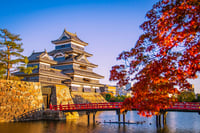
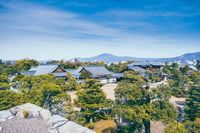
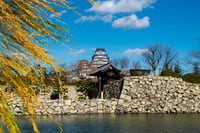
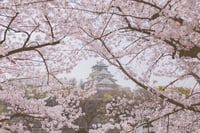
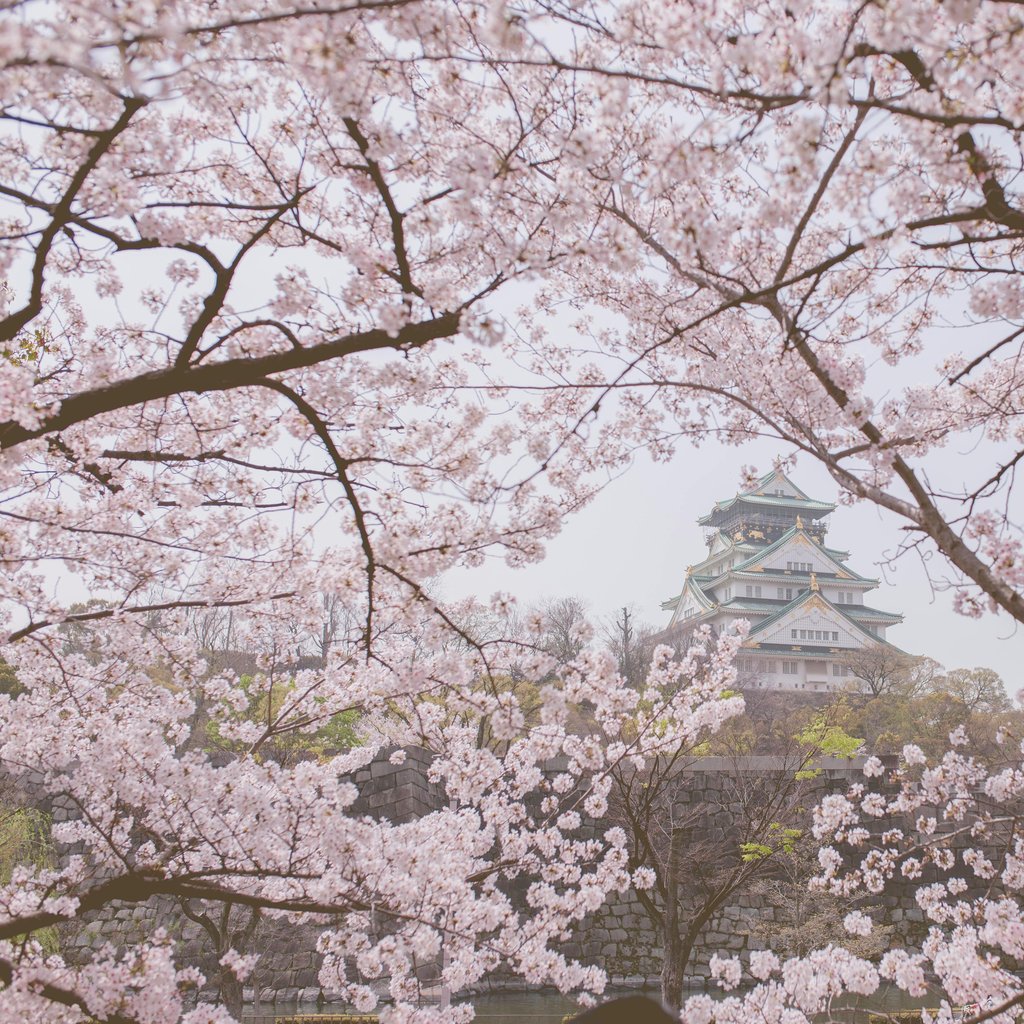
Breathtaking view of Osaka Castle surrounded by blooming cherry blossoms in springtime.
Nguyễn Thanh Tùng, Pexels

Hirosaki is a historic castle town in Japan, where one discovers a rich blend of cultural heritage and natural beauty. Exploring Hirosaki Castle Park reveals not only one of Japan's twelve original castles but also a spectacular setting, especially during the renowned cherry blossom season. The city embraces its status as Japan's largest apple producer, with the fruit influencing local cuisine and attractions like Hirosaki City Apple Park.

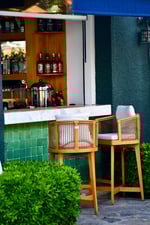
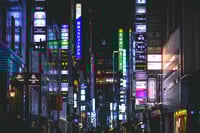
For those seeking a relaxed evening, the Kajimachi Chuo-dori and Nishi Chuo-dori areas offer a welcoming atmosphere with various bars, izakayas, and restaurants that stay open late. One can also find quieter, more intimate spots within Honcho Yokocho. The nightlife here tends to be more affordable compared to larger Japanese cities.

Top 6 Things to do in Hirosaki

Visiting Hirosaki allowed me to explore its rich history and deep connection to nature, particularly through its iconic castle, vibrant apple industry, and serene temple districts.

1. Explore Hirosaki Castle Park

Stepping into Hirosaki Castle Park felt like entering a beautifully preserved piece of history. The sprawling grounds, home to one of Japan’s precious original castles, offer a peaceful stroll. During my visit, even with parts of the castle undergoing renovation, the engineering marvel of the castle relocation was fascinating to observe. The park transforms with the seasons, from the renowned cherry blossoms in spring, which create stunning petal-filled moats, to the tranquil botanical garden. It's truly a place where one can connect with Japan's past and natural beauty.

Cost: Accessing the park itself is free. For entry into the castle keep (Honmaru and Kita no Kuruwa) and the botanical garden, I paid 320 yen for adults. A combined ticket that also includes Fujita Memorial Garden is available for 520 yen. If you're lucky enough to visit during cherry blossom season, rowing boats on the inner moat are available for 1500 yen.

Transport: I found reaching the park quite straightforward. From JR Hirosaki Station, a bus ride of about 10-15 minutes takes you to the main entrance. The 'Dotemachi Loop Bus' is a convenient option, costing 150 yen (cash) or 130 yen (IC card) for a single ride, or a 500 yen day pass for unlimited rides. Alternatively, it’s a pleasant 30-minute walk from the station. A taxi ride takes about 3-10 minutes and costs between 1,000 to 2,100 yen.

2. Visit Hirosaki Apple Park

My experience at Hirosaki Apple Park truly highlighted why this city is known as the 'apple capital'. Wandering through the vast orchards, I learned about the numerous apple varieties grown here, many of which I hadn't encountered before. Depending on the season, you can even pick apples yourself, which is a wonderfully hands-on experience. The Apple House on site is a treasure trove of apple-themed delights, from unique souvenirs to delicious apple sweets and even apple curry at the cafe. It’s a great place for families and anyone interested in local agriculture.

Cost: Entry to the Apple Park is free. If you choose to pick apples, there is a charge of approximately 35 yen per 100 grams of apples picked.

Transport: Getting to the Apple Park requires a short bus trip from JR Hirosaki Station. I took a Konan Bus towards Imoritai, Taiaki, or Soma, getting off at Tokiwazaka Iriguchi, followed by a pleasant 7-minute walk. During the period of April to November, there's also a convenient circular bus (Tamenobu Bus) that goes directly to the Apple Park for 200 yen.

3. Immerse in Tsugaru-Han Neputa Mura

At Tsugaru-Han Neputa Mura, I gained a deeper appreciation for the vibrant Hirosaki Neputa Festival. This cultural village allows you to experience the festival's essence year-round, showcasing impressive, actual-sized fan-shaped Neputa floats. I particularly enjoyed the live Tsugaru shamisen performances; the energy of the music is captivating and truly unique to the region. The village also has various workshops where I observed traditional craftspeople at work and a shop where I could buy local products and souvenirs, providing a great insight into Tsugaru's artistic heritage.

Cost: Admission to the Visitors/Experience Area cost me 600 yen for adults. For junior and senior high school students, it is 400 yen, elementary school students 300 yen, and children over three years old pay 100 yen. The shopping and dining areas are freely accessible.
Transport: Tsugaru-Han Neputa Mura is conveniently located within walking distance, approximately 10 minutes, from Hirosaki Park, making it easily accessible as part of a city center exploration.

4. Stroll through Fujita Memorial Garden

The Fujita Memorial Garden offered a serene escape. This large Japanese landscape garden, established in 1919, beautifully blends traditional design with views of Mount Iwaki. I found myself lingering in both the elevated and lower sections, admiring the pond, irises, azaleas, and the gentle waterfall. The Western-style building within the garden, housing the Taisho Roman Cafe, was a delightful spot to take a break. I enjoyed trying a local apple pie there, appreciating the charming Taisho-era ambiance.

Cost: The admission fee for Fujita Memorial Garden is 320 yen for adults and 100 yen for elementary/middle school students. As mentioned, a common ticket with Hirosaki Castle and the Botanical Garden is 520 yen. The Western House itself is free to enter.

Transport: I reached the garden by taking the Dotemachi Loop Bus from JR Hirosaki Station, getting off at the Shiyakusho-mae stop, which is then a 5-minute walk. It's also a short 10-minute walk from Hirosaki Park.

5. Discover Zenringai Temple Area

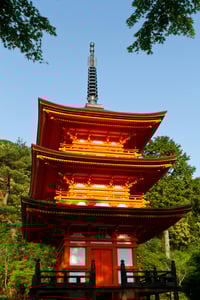
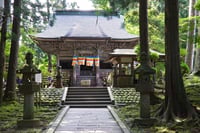
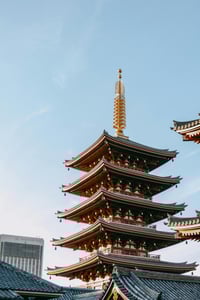
Wandering through Zenringai, Hirosaki's unique temple district, offered a peaceful contrast to the city's more bustling areas. This concentration of 33 Soto Zen temples, strategically placed centuries ago, creates an incredibly tranquil atmosphere. I particularly enjoyed visiting Chosho-ji Temple, with its impressive Sanmon gate, and marveling at the five-storied pagoda of Saisho-in temple, which is renowned as one of Tohoku's most beautiful. It's a wonderful place to experience a deeper sense of history and quiet reflection.

Cost: Exploring the Zenringai temple area is generally free. Specific temples might have small voluntary donations or fees for entering certain halls, but general access to the temple grounds is open.

Transport: From JR Hirosaki Station, I took a Konan bus and disembarked at the Shigemori-machi bus stop, followed by a short 5-minute walk to the area. While a longer walk from Hirosaki Station (around 37 minutes), it's a manageable distance from Hirosaki Park by public bus or taxi.

6. Embark on an Apple Pie Tasting Tour

As someone with a sweet tooth, I couldn't leave Hirosaki without indulging in its famous apple pies. The city, being Japan's largest apple producer, boasts an impressive array of bakeries and cafes, each offering their unique take on this classic dessert. I enjoyed discovering the different combinations of apple varieties, crust textures, and spice levels. It's a delightful way to explore the city's culinary landscape and truly taste the essence of Hirosaki's apple heritage.

Cost: The cost of individual apple pies varies by establishment, typically ranging from a few hundred yen. Some cafes offer a drink set with a pie for around 700 yen.
Transport: Many of the apple pie shops are conveniently located within the city center, making them accessible by foot from Hirosaki Park or via the Dotemachi Loop Bus, which stops at various central points. For a truly unique experience, 'Sakura Komachi' taxi drivers specialize in guiding visitors to various apple pie spots, though this would be a private taxi hire.
Discover destinations in Japan