Hiraizumi

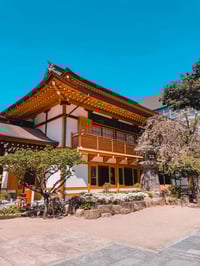
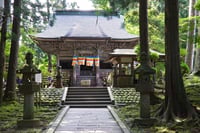
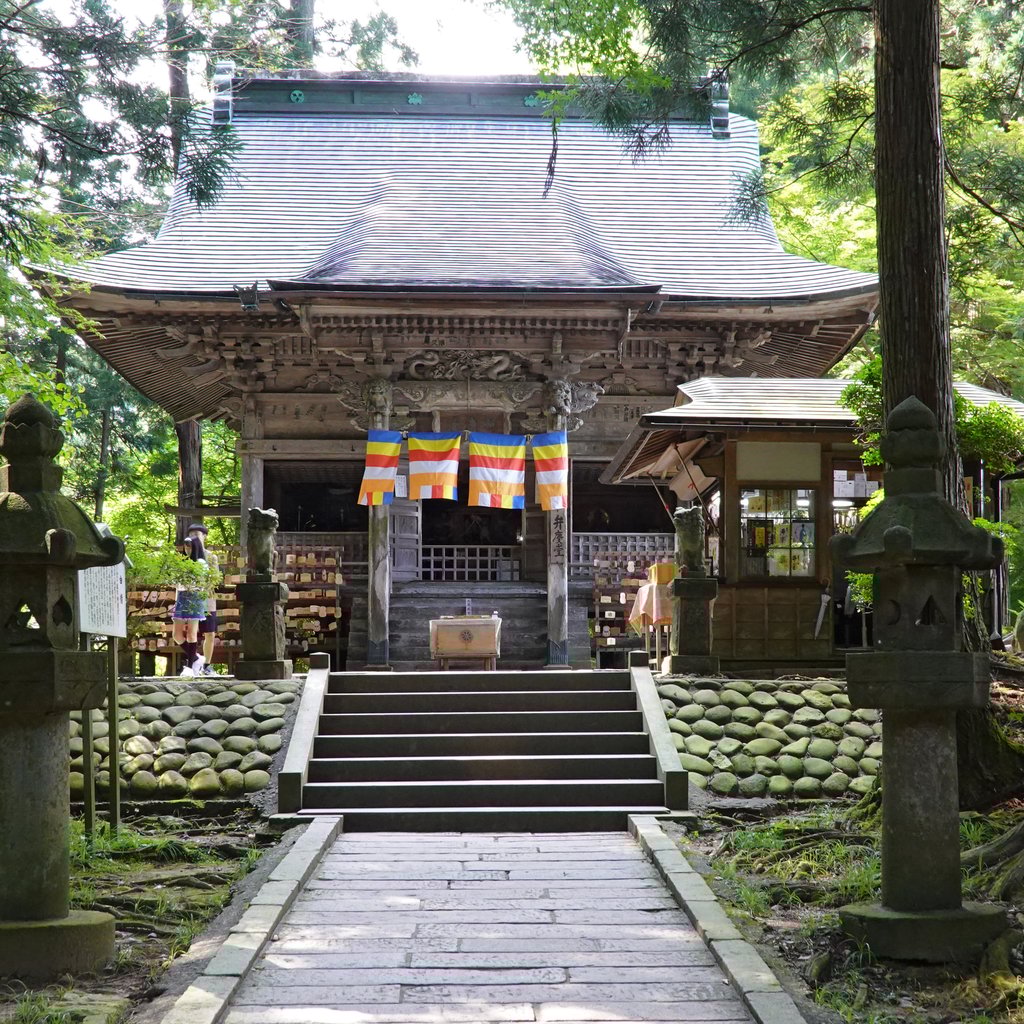
Chūson-ji Benkeido in Hiraizumi, Iwate prefecture, Japan
663highland, Wikimedia Commons

Hiraizumi, a UNESCO World Heritage site in Iwate Prefecture, offers a unique journey back to Japan's 11th and 12th centuries, showcasing the grandeur of the Oshu Fujiwara clan. Visitors can explore a collection of historic Buddhist temples, serene gardens like those at Motsuji Temple, and the magnificent, gold-adorned Konjikido Golden Hall within Chusonji Temple, all while immersing themselves in a profoundly historical and tranquil atmosphere.

While Hiraizumi provides amenities such as the Hiraizumi Rest House with a food court and souvenir shops, it is not described as a significant hub for socializing with other tourists or backpackers. The town's quiet and historical nature lends itself more to peaceful exploration than bustling social gatherings.

Top 4 Things to do in Hiraizumi

Exploring Hiraizumi involves immersing oneself in ancient Buddhist temples and gardens, each offering a glimpse into the region's rich history and serene landscapes.

1. Chusonji Temple

Chusonji Temple is Hiraizumi's most renowned historical site, established in 850 as a significant Buddhist temple. Visitors are drawn to the main approach, Tsukimizaka Slope, which ascends through a beautiful pine forest, setting a tranquil tone for the experience. The highlight is the Konjikido Golden Hall, a small but stunning building from 1124, entirely covered in gold, which prohibits photography inside to preserve its delicate beauty and historical integrity. The complex also features the Sankozo Museum, a treasure house displaying valuable Buddhist artifacts that reflect the prosperity of the Oshu Fujiwara clan. A Noh theatre stage within the temple grounds is also present.

Cost: Entry to the Konjikido Golden Hall and Sankozo Museum is 1,000 JPY for adults. An audio guide is available for rental at 500 JPY.

Transport: From Hiraizumi Station, the 'Run Run' Loop Bus takes approximately 10 minutes to reach Chusonji, with a single ride costing 200 JPY or a day pass for 550 JPY. Alternatively, it is about a 20-30 minute walk from the station. A taxi ride from Hiraizumi Station takes approximately 5 minutes.


2. Motsuji Temple

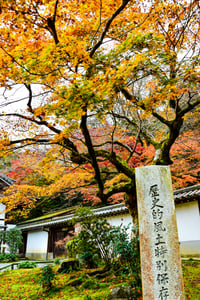
Motsuji Temple is celebrated for its meticulously preserved Pure Land Garden, known as Jodo Teien, which attempts to recreate the Buddhist concept of paradise. The garden centers around a large pond, and walking the path around its circumference allows for a peaceful appreciation of its design. Although many of the original buildings were lost to fires, the foundations remain, offering a sense of the temple's former grandeur. The Cultural Assets Repository on site houses various historical and cultural artifacts.
Cost: Admission to Motsuji Temple is 700 JPY for adults. An audio guide can be rented from the Hiraizumi Tourism Association for 500 JPY.
Transport: Motsuji Temple is a short 3-minute ride by the 'Run Run' Loop Bus from Hiraizumi Station, or approximately a 10-minute walk. If coming from Chusonji Temple, it is about a 7-minute bus ride.

3. Takkoku no Iwaya Bishamondo

Takkoku no Iwaya Bishamondo is a unique temple built directly into a rock cave, boasting a history spanning over 1,200 years. It is dedicated to Bishamonten, the Buddhist deity of warrior protection. A notable feature is the Ganmen Daibutsu, a Buddha image carved into the cliff face. The site offers a tranquil atmosphere, inviting visitors to explore its historical grounds.

Cost: The entrance fee is 500 JPY for adults.

Transport: The public bus line to Takkoku no Iwaya Bishamondo was discontinued . From Hiraizumi Station, a taxi ride takes about 10-15 minutes and costs approximately 2,000 to 3,000 JPY. Alternatively, a rental bicycle offers a journey of approximately 6 km (30-35 minutes) to reach the site.

4. Takadachi Gikeido

Takadachi Gikeido is a memorial hall situated on a hill, commemorating Minamoto Yoshitsune, a tragic figure in Japanese history. From this elevated position, visitors can enjoy expansive views of the Kitakami River and the surrounding basin. The site is also notable as the place where the famous haiku poet Matsuo Basho composed one of his most well-known poems. This location provides a reflective space to consider historical events amidst scenic beauty.

Cost: Admission to Takadachi Gikeido is 300 JPY.

Transport: Takadachi Gikeido is accessible from Hiraizumi Station by the 'Run Run' Loop Bus, taking approximately 15 minutes, or a 15-20 minute walk.

Discover destinations in Japan