Ginzan Onsen

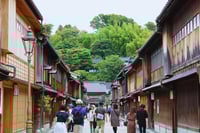
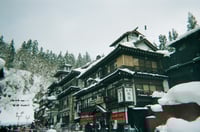
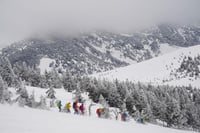
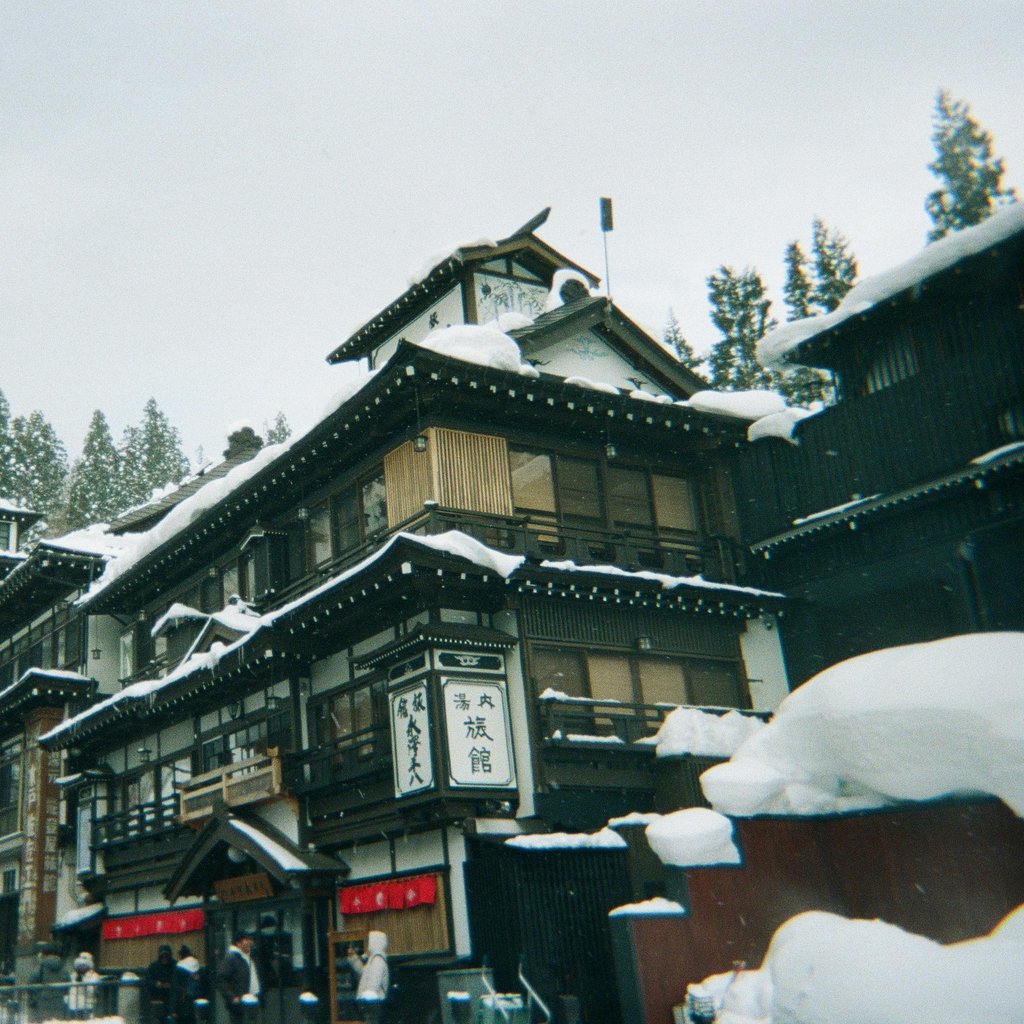
A picturesque view of traditional Japanese architecture in a snowy onsen town, set against a backdrop of snow-covered trees.
家豪 陳, Pexels

Ginzan Onsen is a picturesque hot spring town in Yamagata Prefecture, characterized by its historic wooden ryokan inns and gas-lit streets that evoke a nostalgic, old-world charm. It attracts visitors seeking a traditional Japanese onsen experience amidst beautiful, often snow-covered, scenery.

The town's core is a compact pedestrian-only street lined with ryokan. While public baths and a foot bath are available, the destination primarily focuses on the onsen experience within the traditional inns and enjoying the historic ambiance rather than designated areas for socializing with other tourists or backpackers.

Top 6 Things to do in Ginzan Onsen

Visitors to Ginzan Onsen can immerse themselves in traditional Japanese hot spring culture, explore historical sites, and enjoy the town's charming atmosphere, especially as evening lights illuminate the streets.

1. Immerse in a Traditional Onsen Bath

The quintessential Ginzan Onsen experience involves soaking in its restorative thermal waters. For day visitors, public bathhouses like Shiroganeyu, known for its unique design by Kengo Kuma, offer an authentic experience. Alternatively, some ryokan inns open their baths to non-staying guests during daytime hours, providing a glimpse into their traditional facilities. Soaking in these mineral-rich waters is ideal for relaxation and rejuvenation.

Cost: Public bathhouses (e.g., Shiroganeyu, Omokage-yu) typically cost around 500 JPY per person. Day-use at ryokan baths can range from 500 JPY to 1,500 JPY per person, with times varying seasonally.

Transport: Ginzan Onsen's main street is pedestrian-only. These bathhouses are located within the compact town center, easily accessible by walking.


2. Stroll the Gas-Lit Streets at Night

As dusk settles over Ginzan Onsen, the town transforms into a magical scene reminiscent of a bygone era. Gas lamps illuminate the historic wooden ryokan inns, casting a warm glow on the snow-covered (in winter) streets and bridges. Walking through the pedestrian-only area at night, perhaps in a rented yukata (traditional Japanese robe), offers a peaceful and enchanting experience, perfect for photography and soaking in the nostalgic atmosphere. This period is often less crowded than daytime.

Cost: Free to stroll. Yukata rental is available from local shops, typically around 3,000 JPY for a walking course (including basket bag and geta) or 5,000 JPY for an overnight rental.

Transport: The town's core is a compact pedestrian area. Access to Ginzan Onsen itself is via bus from Oishida Station (720 JPY one-way, approx. 35-40 minutes) , or a paid shuttle bus from the Taisho Romankan visitor center, particularly for day-trippers during winter (1,150 JPY per person for the shuttle bus). Ryokan guests often have access to complimentary shuttle services from Oishida Station.

3. Visit Shirogane Falls

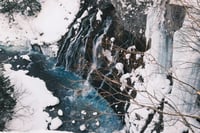
At the rear of Ginzan Onsen town lies Shirogane Falls, a beautiful 22-meter waterfall that cascades into a serene pool below. A viewing platform provides an ideal vantage point for enjoying the rushing water and the surrounding nature. The atmosphere changes with the seasons, from lush greenery in warmer months to snow-covered charm in winter, where the falls do not freeze. Pathways are lit at night for a different perspective.

Cost: Free.

Transport: The waterfall is a short walk upstream from the main town, approximately 5-10 minutes from the central hot spring area.

4. Explore the Nobesawa Ginzan Mine Ruins

Delve into the history of Ginzan Onsen by visiting the Nobesawa Ginzan Mine Ruins, the origin of the town's name. A portion of the silver mining cave is open to the public, allowing a brief walk into the lit-up tunnel. While access is limited, it provides insight into the area's past as a significant silver mine. It is advisable to note that the walking trail leading to the deeper mine ruins may be inaccessible during winter due to heavy snow.

Cost: Free to enter the accessible part of the silver mining cave.

Transport: The mine ruins are located beyond Shirogane Falls, accessible via a walking trail. It is within walking distance from the main town.

5. Relax at Warashi-yu Foot Bath

For a quick and free respite, immerse tired feet in the Warashi-yu foot bath, conveniently located at the entrance of Ginzan Onsen's pedestrian street. This communal footbath uses natural hot spring water directly from the source. It offers a perfect spot to relax and observe the scenic townscape along the Ginzan River. The footbath is open from early morning until late evening, making it accessible throughout the day.

Cost: Free.

Transport: Located at the entrance of the pedestrian-only town street, accessible by walking.

6. Savor Local Cuisine and Souvenirs

While exploring Ginzan Onsen, sample local delicacies and browse for unique souvenirs. Options include curry bread, fresh tofu, and Yamagata Soba noodles from various small eateries and cafes along the main street. Additionally, several shops offer local crafts, onsen-themed products, and other mementos, allowing visitors to take a piece of Ginzan Onsen's charm home.

Cost: Costs vary by item, e.g., curry bread, tofu, soba. Souvenirs vary in price.

Transport: Shops and eateries are primarily located along the main pedestrian street, accessible by walking.
Discover destinations in Japan