Aomori

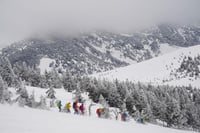
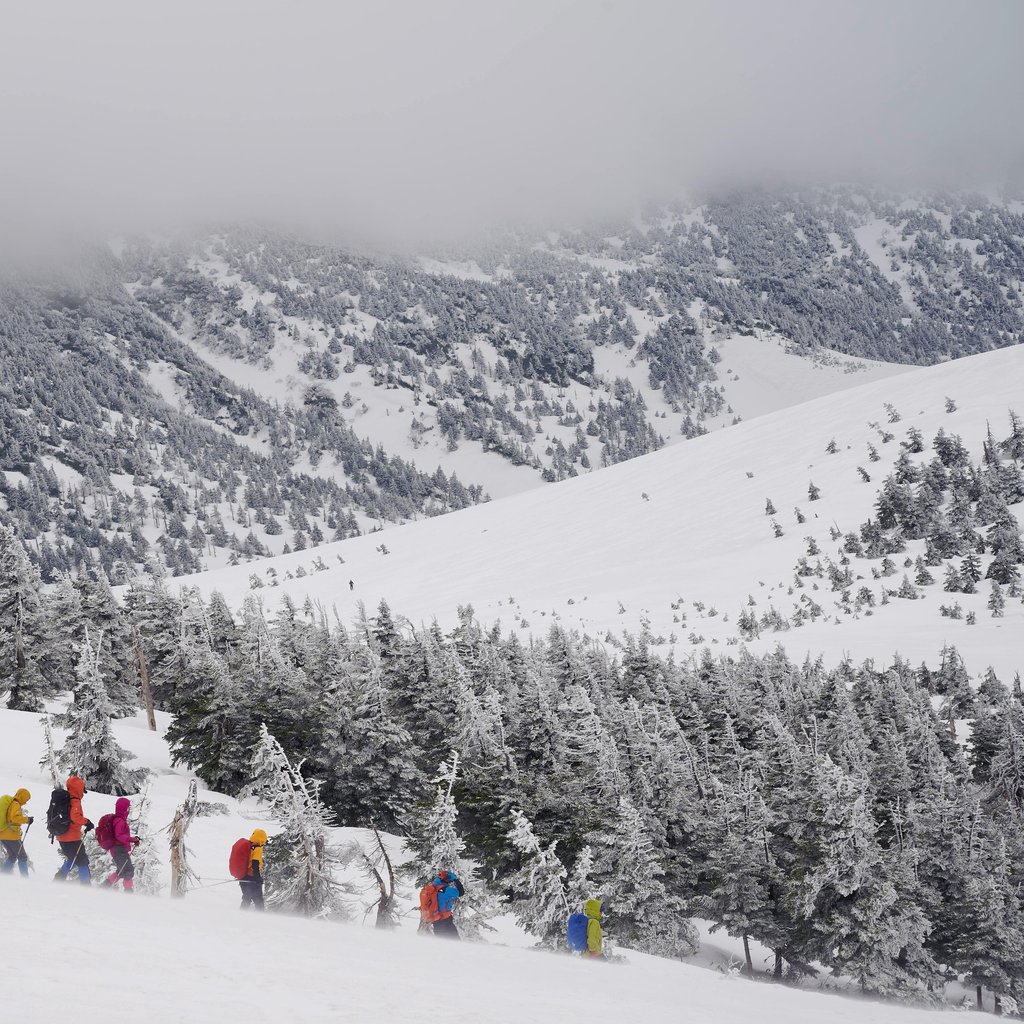
Group of hikers trekking through snowy mountains in Aomori, Japan, amidst stunning winter scenery.
Han Sen, Pexels

Aomori, situated at the northern tip of Japan's Honshu island, presents a blend of natural landscapes and rich cultural experiences. Visitors can explore a region renowned for its vibrant festivals, serene natural beauty, and unique historical sites.

While Aomori does not feature specific districts known as social hubs for backpackers or tourists, opportunities for interaction often arise through shared experiences. The annual Nebuta Festival, in particular, encourages visitor participation, allowing individuals to join local dancers and immerse themselves in the celebration. Additionally, places like the Aomori Gyosai Center, where one can custom-build a 'Nokkedon' seafood bowl, offer a lively atmosphere and a chance to engage with the local culinary scene.

Top 5 Things to do in Aomori

Aomori offers a diverse range of experiences, from immersing oneself in vibrant festivals and exploring ancient historical sites to enjoying the tranquility of natural landscapes and savoring unique local cuisine.

1. Experience the Nebuta Festival or Visit the Nebuta Museum Wa Rasse

If your visit aligns with early August (August 2-7), the Aomori Nebuta Festival is a highlight, featuring giant illuminated floats paraded through the city. You can join local dancers, known as 'haneto', by renting a traditional costume, or opt for a reserved seat to view the spectacle. Outside of festival dates, the Nebuta Museum Wa Rasse provides an excellent opportunity to learn about the festival's history and admire the impressive floats up close, offering a year-round cultural immersion.

Cost: Viewing the festival from the street is free. Reserved seating typically costs around ¥3,500-¥4,500. Participation as a 'haneto' dancer, including costume rental, might be part of a tour package, with reported costs around ¥18,000. For the Nebuta Museum Wa Rasse, adult admission is ¥620.

Transport: The Nebuta Festival takes place in central Aomori City, and the Nebuta Museum Wa Rasse is a short walk from JR Aomori Station. For festival viewing, walking within the city center is ideal. Reserved seating areas are usually near Aoimori Park. The museum is easily accessible on foot from the station.


2. Create Your Own Nokkedon at Aomori Gyosai Center

Embark on a culinary adventure by crafting your personalized 'Nokkedon' seafood bowl at the Aomori Gyosai Center, also known as Furukawa Market. This lively market allows you to purchase tickets and then exchange them for a bowl of rice and a variety of fresh seafood, meats, and side dishes from different vendors, creating a unique and interactive dining experience. It is an excellent way to sample the region's renowned seafood.

Cost: Tickets are purchased in sets; for instance, a set of 12 tickets might cost around ¥2,000, or smaller sets are available for ¥540 or ¥1,080. Each topping requires one or more tickets.

Transport: The Aomori Gyosai Center is conveniently located approximately a 5-minute walk from JR Aomori Station's East Exit.

3. Explore Hirosaki Castle Park

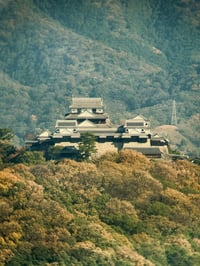
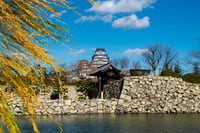
Discover the historical beauty of Hirosaki Castle Park, particularly famed for its stunning cherry blossoms in late April to early May, making it one of Japan's top viewing spots. The park houses the iconic three-story Hirosaki Castle, a rare original Edo Period structure. Beyond the castle, you can enjoy boat rides in the moats, stroll through diverse gardens, and appreciate the seasonal beauty, including vibrant autumn leaves and winter snow sculptures.

Cost: Entry to Hirosaki Park is free. Access to the castle keep and botanical garden costs ¥310 for adults. Combination tickets covering the castle, botanical garden, and Fujita Memorial Garden are available for ¥520. During winter (November 24 to March 31), admission to the Honmaru/Kita no Kuruwa Area is free.

Transport: From Aomori City, take a JR Ou Main Line train to Hirosaki Station, which takes about 45 minutes and costs ¥680. From Hirosaki Station, the park is a 15-minute bus ride or a 30-minute walk. The Dotemachi Loop Bus, costing ¥100 per ride or ¥500 for a day pass, is a convenient option that stops at key attractions including the park.

4. Ascend Mount Hakkoda by Ropeway and Relax at Sukayu Onsen

Experience the panoramic grandeur of Mount Hakkoda by taking the Hakkoda Ropeway. This ascent offers breathtaking views that transform with each season, from lush summer greenery and vibrant autumn foliage to dramatic winter 'snow monsters' (Juhyo). After enjoying the mountain's natural splendor, unwind at Sukayu Onsen, a traditional hot spring ryokan renowned for its large, mixed-gender 'Senninburo' (bath of a thousand people) and therapeutic acidic waters, providing a truly authentic Japanese onsen experience.

Cost: A round trip on the Hakkoda Ropeway costs ¥2,000 for adults. At Sukayu Onsen, entry to the mixed-gender bath is approximately ¥600, while segregated baths cost around ¥1,000.

Transport: From Aomori Station, a JR bus to Hakkoda Ropeway Station takes approximately 60-80 minutes and costs around ¥1,290. For Sukayu Onsen, direct buses are available from Aomori Station, or a fixed-rate taxi from Aomori Station to the Hakkoda mountain area (including Sukayu Onsen) costs around ¥7,500. Some JR Pass-covered buses also stop at Sukayu Onsen. Sukayu Onsen offers a free shuttle to Aomori Station at 08:50 (reservation required).
5. Step Back in Time at the Sannai-Maruyama Site

Visit the Sannai-Maruyama Site, one of Japan's largest and most well-preserved Jomon Period (prehistoric) village ruins, now a UNESCO World Heritage site. Explore reconstructed pit dwellings, longhouses, and a large tower, offering a tangible glimpse into ancient Japanese life. The adjacent Jomon Jiyukan museum displays excavated artifacts and provides interactive exhibits, including opportunities to try on Jomon-era clothing or participate in handicraft workshops, enriching your understanding of this significant historical era.

Cost: Admission to the Sannai-Maruyama Site is ¥410.

Transport: From Aomori Station, take a municipal bus or the Nebutan-go shuttle bus to the Sannai-Maruyama-Iseki-mae bus stop, a journey of about 20-30 minutes, costing approximately ¥220-¥340. A taxi from Aomori Station to the site takes about 6 minutes and costs around ¥2,100-¥2,600.

Discover destinations in Japan