Staying Safe in Japan
Local Laws
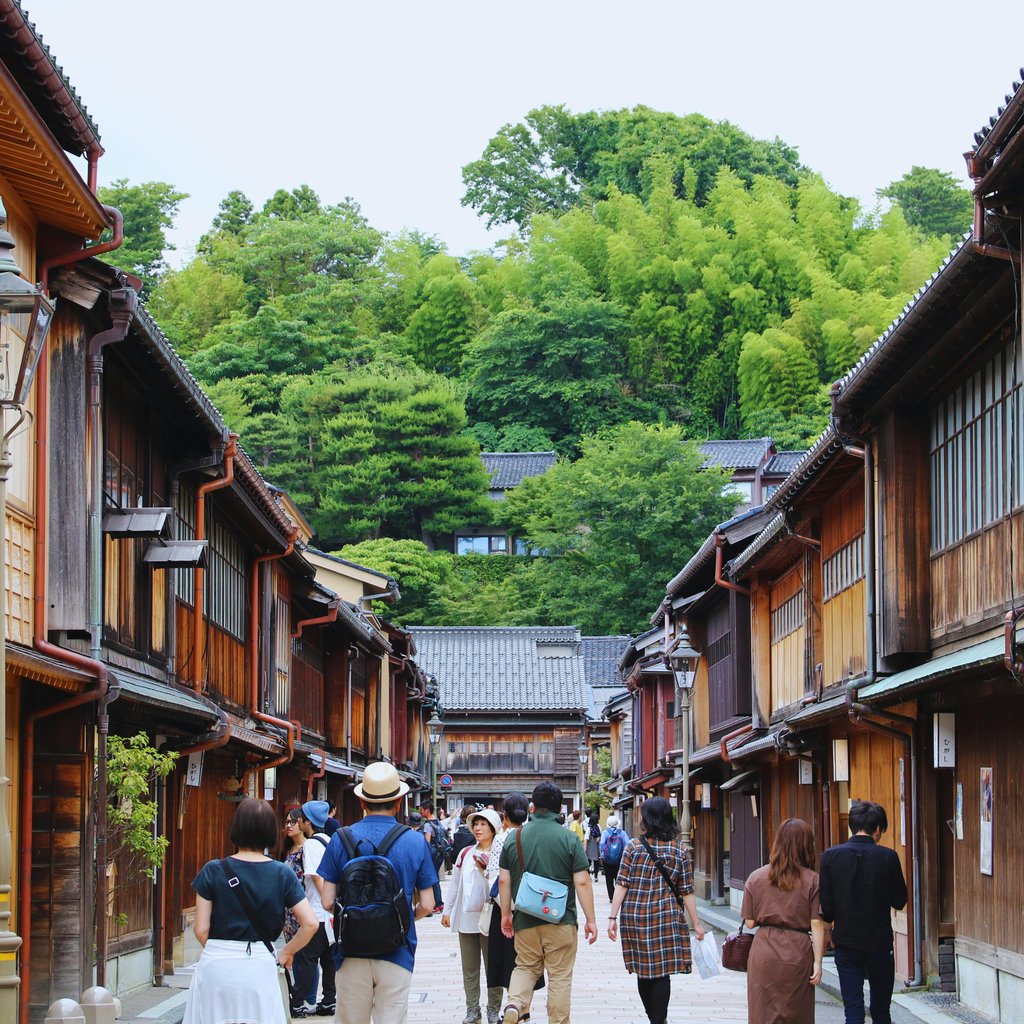
When you're visiting, it's important to keep your passport (or Japanese residency card) with you at all times. Just so you know, you have to be 20 years old to legally drink or smoke. While you can generally enjoy a drink in public, please be mindful of your behavior – being loud or disruptive isn't acceptable.
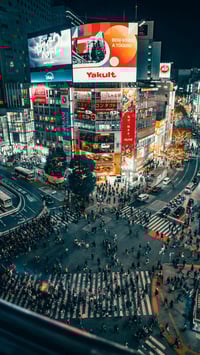
Also, keep an eye out for any posted restrictions on alcohol consumption in certain areas, especially around holidays like Halloween or New Year's Eve in places like Shibuya. In Tokyo and some other cities, smoking is banned on the streets, so look for designated smoking areas.
It's also crucial to be aware that possessing or using illegal drugs, including cannabis, even in small amounts, comes with very serious consequences. Driving under the influence of alcohol is strictly forbidden, and cyclists are required to wear helmets.
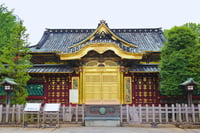
You might also notice that tattoos have historical ties to crime in Japan, which means many public baths, hot springs, and gyms may not allow entry to those with tattoos, or they might ask you to cover them up. Please also be respectful and refrain from taking photos of people without their consent, particularly in places like temples or private areas.
Lastly, littering is against the law, and you'll find that public trash cans are quite rare. It's best to hold onto your rubbish until you can find a proper place to dispose of it.
LGBTQ+ Travellers
Japan generally offers a safe and welcoming experience for LGBTQ+ travelers, particularly within its major cities like Tokyo and Osaka, which boast active queer communities and local anti-discrimination ordinances. While Japan has not yet enacted national same-sex marriage laws, many municipalities issue partnership certificates that offer some legal benefits, and various court rulings are pushing for greater recognition of same-sex unions.
Japanese society is known for its politeness and respect, meaning open hostility towards LGBTQ+ individuals is uncommon, though public displays of affection are generally rare for all couples. Travelers will find a discreet but present LGBTQ+ scene in urban areas, and a respectful approach to local customs ensures a comfortable journey.
Scams
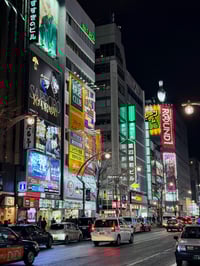
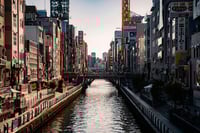
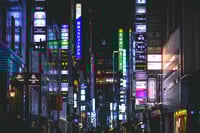
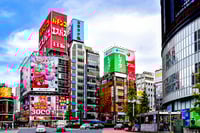
When visiting Japan, it's good to be aware that tourists can sometimes run into scams. You'll find that some bars, especially in popular nightlife spots like Roppongi, Shibuya, Shinjuku's Kabuki-cho, and Osaka's Shinsaibashi, Namba, and Dotonbori areas, can be particularly problematic.
You might be approached by people offering deals, but then find yourself overcharged for drinks, hit with unauthorized credit card charges, or pressured into making large cash withdrawals. There's also a risk of drinks being tampered with in these same areas, which could unfortunately lead to theft or even assault.
You might also come across individuals posing as monks, trying to sell you small items or ask for donations. It's also worth noting that you could be given counterfeit money as change, or find fake brand-name goods being sold in shopping areas.
Be cautious of phishing attempts too, which can involve fake apps that look like official travel sites, or phony QR codes that direct you to fraudulent payment pages. Sometimes, people might approach you claiming to be 'model scouts' with offers that are actually exploitative.
To stay safe, it's a good idea to steer clear of people trying to lure you off the street, always confirm prices before ordering at bars, be careful about accepting drinks from people you don't know, and always take a close look at any money you receive or any digital links you're asked to use.
Crime
While Japan is known for being a very safe place, with violent crimes against visitors being uncommon, it's still a good idea to be aware of your surroundings. You might encounter petty theft like pickpocketing or bag snatching, especially in busy spots such as shopping areas, train stations, and airports.
When it comes to entertainment and nightlife, particularly in Tokyo's districts like Roppongi, Shinjuku (Kabuki-cho), Shibuya, and Ikebukuro, as well as in Osaka, there's a slightly higher chance of issues. These can include being overcharged, credit card scams, pressured ATM withdrawals, drinks being tampered with, or even assault.
Although not commonly reported, sexual assaults do happen, and women can sometimes be targeted. On crowded commuter trains, you might unfortunately experience 'chikan' (groping) or 'upskirting' (taking photos without permission). If this happens, it's best to speak up loudly and get help from staff.
To help keep yourself safe, it’s always wise to stay alert to what's going on around you, keep your valuables secure, never leave your drinks unattended, and be extra careful when you're out in nightlife areas.