Kawagoe, often known as "Little Edo," offers a captivating glimpse into Japan's Edo Period, with its well-preserved traditional warehouse-style buildings, historic sites, and unique cultural experiences, all within easy reach of Tokyo. It is a destination where one can experience a serene escape from modern city life while immersing themselves in traditional Japanese history and charm.
While Kawagoe does not feature specific districts designed for tourists or backpackers to socialize, the main historical streets, such as Kurazukuri Street and Candy Alley, provide a lively atmosphere where visitors can interact with local shopkeepers and experience traditional culture alongside other tourists. The shared experience of exploring the old town, trying local foods, and participating in activities like kimono rentals naturally fosters a sense of camaraderie.
Top 8 Things to do in Kawagoe
Kawagoe provides an opportunity to explore its well-preserved Edo-period townscape, visit historical landmarks, immerse in local culture, and enjoy traditional Japanese culinary experiences.
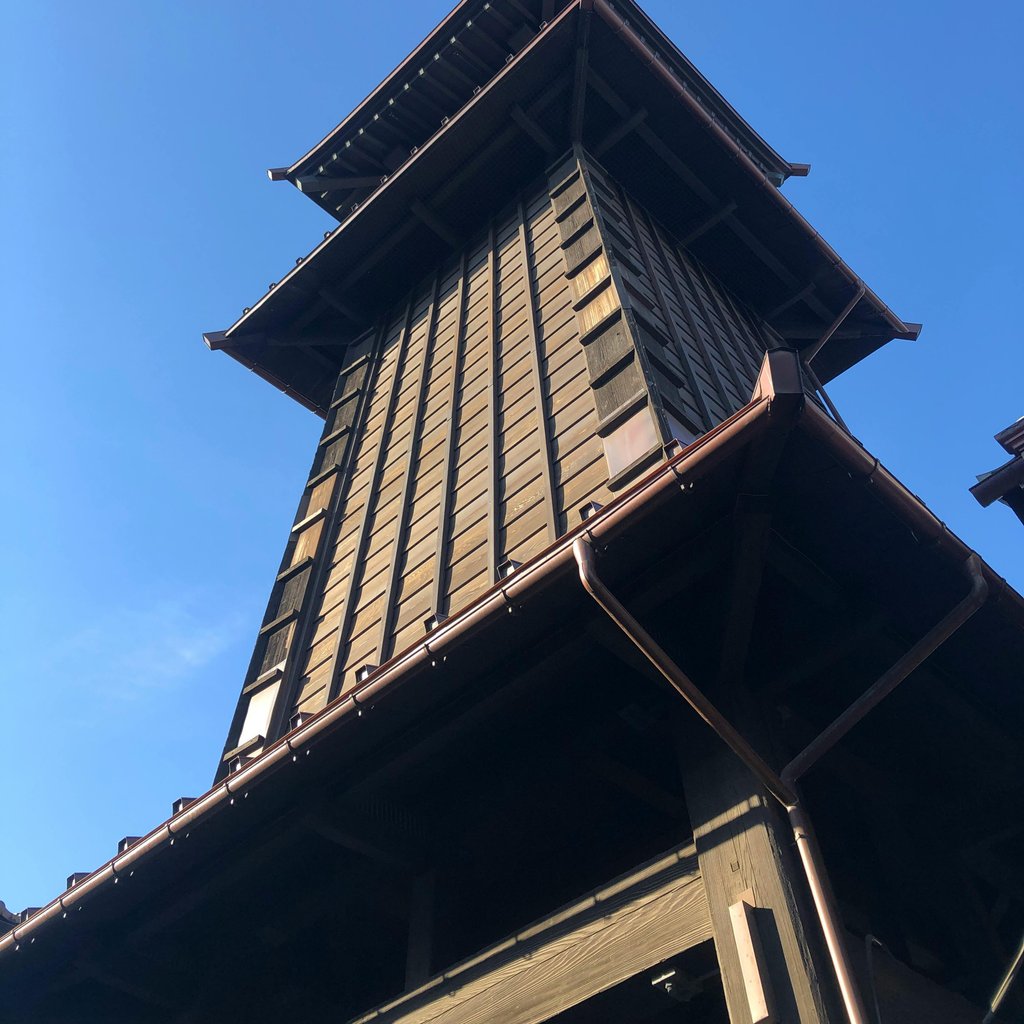
1. Stroll Kurazukuri Street and Visit Toki no Kane (Bell of Time)
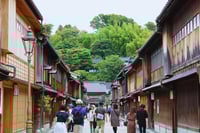
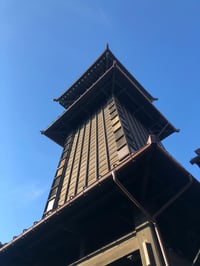
Wandering through Kurazukuri Street, visitors encounter traditional warehouse-style buildings that evoke the Edo Period, offering a unique architectural experience. The iconic Toki no Kane, a bell tower that has marked time for centuries, stands tall here, ringing four times daily. This area is ideal for absorbing the historical ambiance and finding unique shops.
Cost: Exploring the street and observing the bell tower is free of charge. Shops and cafes along the street have varying prices for goods and food.
Transport: Kurazukuri Street is approximately a 10-15 minute walk from Hon-Kawagoe Station.
2. Visit Kawagoe Hikawa Shrine
This historic shrine, dating back around 1,500 years, is renowned for its focus on matchmaking, marital happiness, and family harmony due to the five deities enshrined here. Visitors can participate in unique traditions such as fishing for 'love stones' or 'fortune slips' (omikuji) that resemble red snapper fish. The shrine is a serene space, offering a glimpse into Shinto traditions.
Cost: Admission to the shrine is free. Participating in the 'fishing' for fortune slips typically costs around 300 yen.
Transport: Kawagoe Hikawa Shrine is a short bus ride from Kawagoe Station; take the Tobu Bus towards Shimmeicho and alight at the Kitamachi stop, followed by a 5-minute walk. It is also accessible via the Koedo Loop Bus.
3. Explore Kashiya Yokocho (Candy Alley)
Kashiya Yokocho is a quaint, cobblestone alley lined with traditional sweet shops and snack vendors. It offers a nostalgic journey back to an earlier time in Japan, with various traditional candies and treats available. This alley provides a delightful sensory experience, from the aromas of traditional sweets to the charming old-fashioned storefronts.
Cost: Entry to the alley is free; the cost of snacks and sweets varies.
Transport: Candy Alley is within walking distance of Kurazukuri Street, making it easily accessible as part of a walking tour of the historical district.
4. Experience Kimono Rental
Renting a kimono allows visitors to fully immerse themselves in the 'Little Edo' atmosphere, enhancing the experience of strolling through the traditional streets. Many rental shops offer a wide selection of kimonos and yukatas (for summer), complete with dressing services and accessories. It is a popular activity for capturing memorable photographs within the historic townscape.
Cost: Standard kimono rental plans typically start from 2,500 to 3,300 yen, with prices varying based on the rental shop, kimono style, and included accessories or services.
Transport: Several kimono rental shops are conveniently located near Hon-Kawagoe Station and within walking distance of the main tourist areas.
5. Visit Kitain Temple
Kitain Temple is a significant historical site, notable for housing the only remaining palace buildings from the former Edo Castle, which were relocated to Kawagoe after a fire. Its grounds also feature the Gohyaku Rakan, a collection of 540 stone statues of Buddha's disciples, each with unique expressions. The temple offers a peaceful retreat and a deep dive into Japanese Buddhist history.
Cost: Admission to the Edo Castle buildings and the Gohyaku Rakan statues is 400 yen.
Transport: Kitain Temple is approximately a 10-minute walk from the Warehouse District. It is also accessible by the Koedo Loop Bus from Kawagoe Station.
6. Explore Kawagoe Castle Honmaru Goten
As the sole remaining building of the original Kawagoe Castle, Honmaru Goten provides a rare opportunity to step inside a feudal lord's residence. Visitors can explore spacious tatami rooms, a garden, and view displays of cultural heritage, including models depicting a feudal lord and his vassals. It offers an authentic glimpse into the daily life and governance of the Edo Period.
Cost: Admission for adults is 100 yen. Combination tickets with other museums may also be available.
Transport: Honmaru Goten is about a 10-minute walk from the Warehouse District. It can also be reached by taking a Tobu Bus from Kawagoe Station or Hon-Kawagoe Station to the 'Tsuji no Fuda' bus stop, followed by an 8-minute walk.
7. Discover the Kawagoe Festival Museum
For those interested in the vibrant local culture, the Kawagoe Festival Museum offers a year-round experience of the city's renowned Kawagoe Festival, a UNESCO Intangible Cultural Heritage. The museum displays actual festival floats and screens videos of the lively procession, allowing visitors to appreciate the scale and artistry of this historic event.
Cost: Admission for adults is 300 yen. Combined tickets with other local museums are available.
Transport: The Kawagoe Festival Museum is located within walking distance of the main historical district.
8. Savor Kawagoe's Local Cuisine and Street Food
Kawagoe is famous for its sweet potato delicacies, available in various forms like brulee and honey butter snacks. The city also offers traditional Japanese cuisine, including eel (unagi), a local specialty served in long-standing restaurants. Exploring the streets provides many opportunities to sample these unique flavors and local brews, offering a delicious insight into the region's culinary heritage.
Cost: Costs vary based on the type of food and establishment.
Transport: Local eateries and street food stalls are distributed throughout the main tourist areas, particularly Kurazukuri Street and Candy Alley, making them easily accessible on foot.
At TFA Travel we believe in travel for all. Our mission is to enable people to explore the world as easily as possible without having to pay a travel agent a huge commission.
Our typical audience are those that want to see something new and get involved with authentic experiences of a country. Whether you are a backpacker, solo traveller, solo female traveller, straight or LGBTQ+ couple, family, you will find local and authentic experiences here.