Kamakura

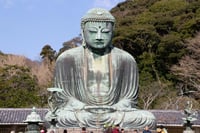
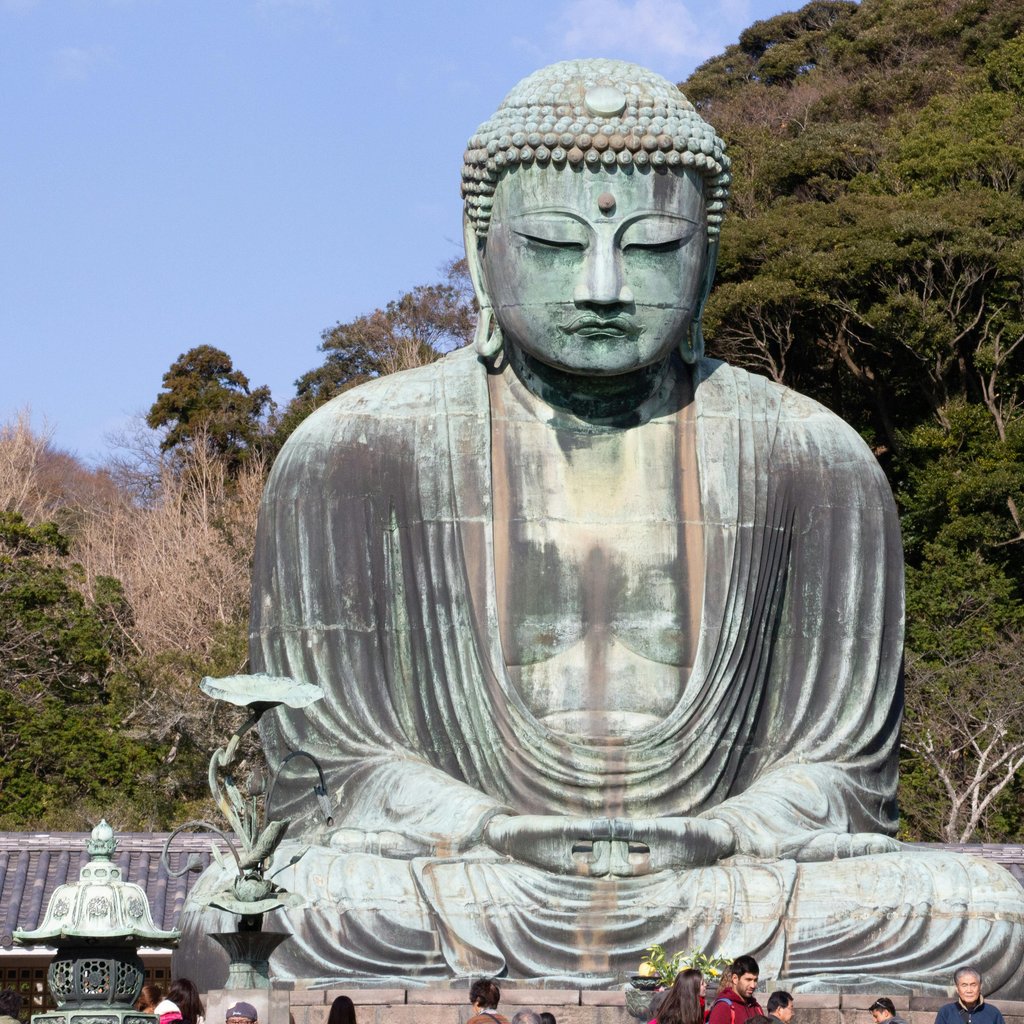
Majestic Great Buddha statue at Kotoku-in Temple, Kamakura, Japan, capturing serene ambiance in spring.
Axel Garbet, Pexels

Kamakura, a coastal city located south of Tokyo, presents a unique blend of historical richness and natural beauty. It offers numerous ancient temples and Shinto shrines, alongside picturesque sand beaches and verdant hiking trails.

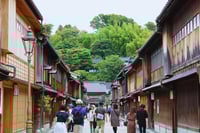
The vibrant Komachi-dori street serves as a central hub for dining and shopping, creating a lively atmosphere. For those seeking interaction, specific backpacker accommodations in the area provide shared spaces for connecting with other travelers.

Top 7 Things to do in Kamakura

Visiting Kamakura offers a blend of exploring significant historical temples and shrines, enjoying tranquil natural settings, and experiencing local culture through bustling shopping and dining areas.

1. Great Buddha (Kōtoku-in)

Standing impressively in the open air, the Great Buddha of Kamakura is a bronze statue of Amida Buddha, measuring 11.3 meters in height and weighing 121 tons. This iconic landmark, cast in the mid-13th century, provides a profound sense of history and serenity. Visitors can also enter the interior of the statue for a small additional fee, offering a unique perspective on its construction.

Cost: Admission for adults typically ranges from 200 to 300 JPY. Entering the Buddha's interior costs an additional 20 JPY.

Transport: From Kamakura Station, take the Enoden Line to Hase Station (approximately a 7-minute walk from the station). Alternatively, a local bus to the 'Daibutsu-mae' stop costs around 190 JPY. Walking from Kamakura Station takes about 45 minutes.


2. Hasedera Temple

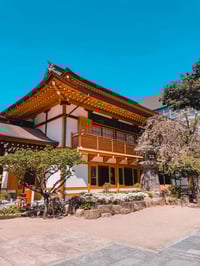
Perched on a hillside, Hasedera Temple is renowned for its 11-headed statue of Kannon, the Goddess of Mercy, one of the largest wooden sculptures in Japan. The temple grounds feature beautifully maintained gardens that bloom with various flowers throughout the seasons, notably hydrangeas, and offer panoramic views of Kamakura city and Sagami Bay. Exploring the Benten-kutsu Cave, filled with small Benzaiten statues, is also a unique experience.

Cost: Admission for adults is 400 JPY, and for children (6-11 years old) it is 200 JPY. An additional fee of 500 JPY (cash only) applies to access the hydrangea area during peak season.

Transport: From Kamakura Station, take the Enoden Line to Hase Station (a 3-minute train ride, costing 190-220 JPY), followed by a short walk.

3. Tsurugaoka Hachimangu Shrine

As Kamakura's most significant Shinto shrine, Tsurugaoka Hachimangu is a grand and sprawling complex dating back to 1063. Dedicated to Hachiman, the patron god of the samurai, the shrine hosts various cultural events and festivals throughout the year. Visitors can explore its extensive grounds, including several sub-shrines, ponds, and museums, which change with the seasons.

Cost: Admission to the shrine grounds is free. There is a small fee of approximately 200 JPY to visit the shrine museum.

Transport: The shrine is conveniently located about a 10-15 minute walk from Kamakura Station, either directly or via the vibrant Komachi-dori street.

4. Komachi-dori Street

Just outside Kamakura Station, Komachi-dori is a lively pedestrian street offering a vibrant mix of traditional and modern shops, cafes, and restaurants. It is an ideal spot to sample local delicacies, purchase unique souvenirs, and soak in the bustling atmosphere of Kamakura.

Cost: Browsing is free, but costs vary depending on purchases and dining choices.
Transport: Komachi-dori street is located directly outside the East Exit of JR Kamakura Station.

5. Hokokuji Temple (Bamboo Temple)

Hokokuji Temple, affectionately known as the 'Bamboo Temple,' offers a peaceful retreat with its serene bamboo grove. Visitors can stroll through the towering Moso bamboo stalks, creating a tranquil atmosphere. A tea house nestled within the grove provides an opportunity to enjoy matcha green tea while surrounded by nature's calm.

Cost: Admission is 400 JPY for high school students and above, and 200 JPY for elementary and junior high students. The matcha tea service with dried sweets costs an additional 600 JPY.
Transport: From Kamakura Station East Exit, take a Keikyu Bus bound for Jomyoji (Bus numbers 鎌23, 鎌24, or 鎌36) and alight at the Jomyoji bus stop (approximately 10 minutes, 220 JPY). From there, it is a 3-minute walk. Alternatively, it is about a 30-40 minute walk from Kamakura Station.

6. Zeniarai Benzaiten Shrine

This unique Shinto shrine is famous for its money-washing ritual, where visitors can wash their coins and bills in the spring water within a cave, believed to multiply their wealth. The shrine's entrance is through a striking tunnel in the mountain, leading to a hidden valley of spiritual significance.

Cost: There is no entrance fee to the shrine. A small fee of approximately 100 JPY covers the use of a basket, incense, and a candle for the money-washing ritual.

Transport: From Kamakura Station, the shrine is about a 20-30 minute uphill walk. Alternatively, a short bus ride to 'Zeniarai Benten Mae' stop (around 10 minutes) followed by a 5-minute walk is possible. Taxis are also available.

7. Yuigahama Beach

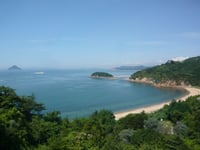
Yuigahama Beach offers a refreshing coastal experience, especially popular during the summer months when beach huts, cafes, and rental shops are open. It's a convenient spot for relaxation, sunbathing, and enjoying gentle waves, with opportunities for surfing and paddleboarding. During other seasons, it remains a pleasant location for a stroll and to enjoy scenic views, including sunsets.

Cost: Access to the beach is free. Costs for rentals (e.g., surfboards, paddleboards, beach beds) and services at beach huts vary.

Transport: Yuigahama Beach is about a 15-minute walk from Kamakura Station. It is also a short 5-minute walk from Yuigahama Station or Hase Station on the Enoden Line.

Discover destinations in Japan