Nara

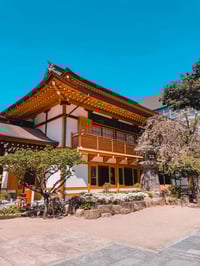
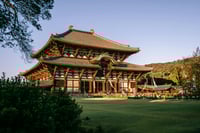
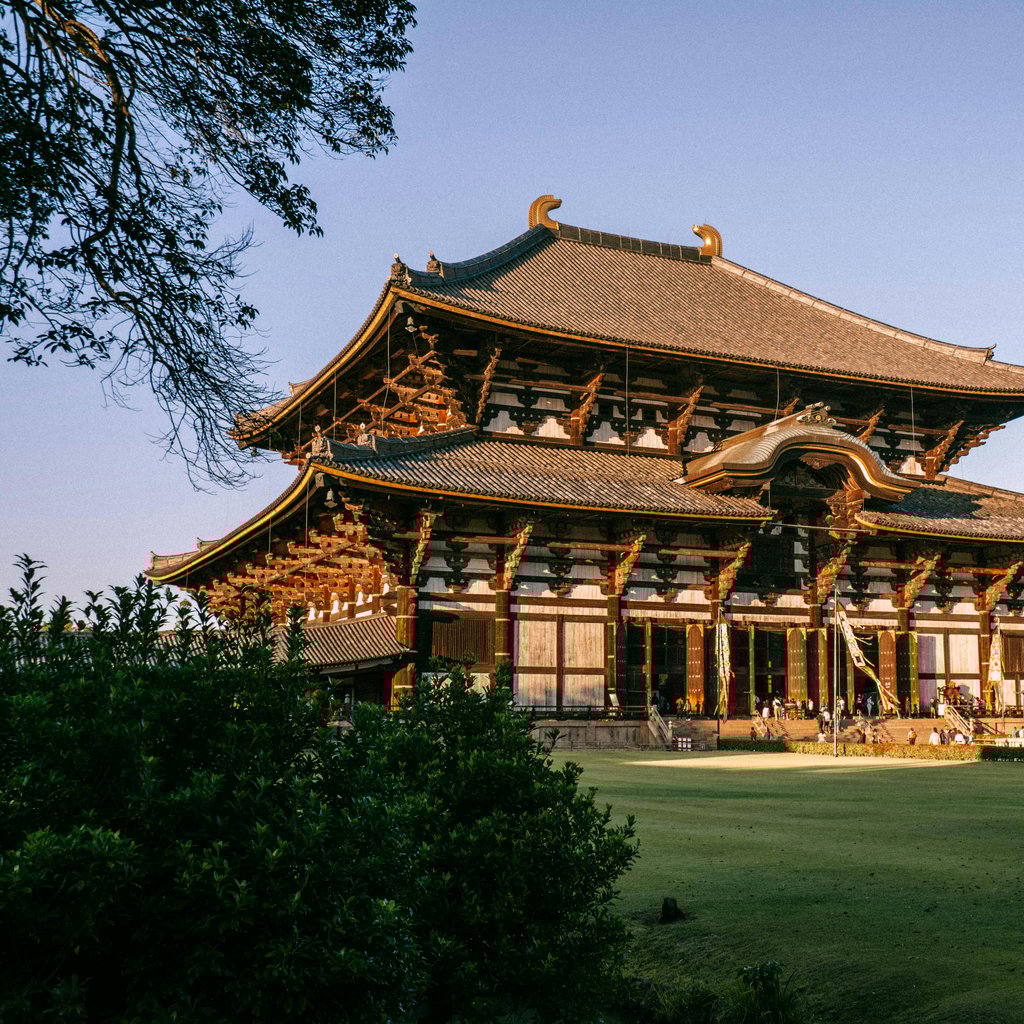
Stunning view of Todaiji Temple in Nara, Japan, with sunlight casting warm tones over the historic architecture.
Alexandra Ortiz, Pexels

Nara, once Japan's first permanent capital, offers a journey through ancient history and a unique connection with nature. Visitors are drawn to its numerous UNESCO World Heritage Sites, including the grand Todai-ji Temple with its Great Buddha and the serene Kasuga Taisha Shrine. A highlight of any visit is the opportunity to interact with the wild, free-roaming deer in Nara Park, which are considered sacred messengers. The city provides a relaxed atmosphere for those seeking cultural immersion and historical exploration away from the busier major cities.

For those looking to connect with other travelers, Nara offers a laid-back environment rather than a vibrant party scene. Cozy bars and local eateries provide opportunities for relaxed social interactions. The preserved merchant district of Naramachi, with its traditional shops and tea houses, is ideal for a leisurely stroll and could lead to casual encounters. Additionally, craft beer enthusiasts might find LBK Craft near Kintetsu Nara station a welcoming spot.

Top 5 Things to do in Nara

Nara offers a blend of ancient historical sites and unique interactions with free-roaming wildlife, providing a tranquil escape into Japan's cultural heart.

1. Nara Park and Deer Interaction

Nara Park is a large public park where over a thousand wild sika deer roam freely. These deer are considered sacred messengers and are accustomed to human interaction, often bowing their heads for treats. Visitors can purchase special 'shika senbei' (deer crackers) to feed them, which is a memorable experience. The park is vast and offers a relaxed atmosphere, often serving as a pathway to other major attractions.

Cost: Entrance to Nara Park is free. Deer crackers cost approximately 200 JPY per pack.

Transport: Nara Park is within walking distance of both Kintetsu Nara Station (about a 5-minute walk) and JR Nara Station (about an 18-minute walk). Alternatively, city loop buses (e.g., #2) run from both stations to various points around the park for a flat fare of 210 JPY for adults.


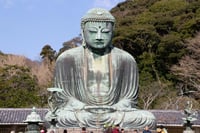
2. Todai-ji Temple (Great Buddha Hall)

Located within Nara Park, Todai-ji Temple is a UNESCO World Heritage Site and houses the Daibutsuden (Great Buddha Hall), one of the world's largest wooden buildings. Inside, visitors will find a massive 15-meter (49-foot) tall bronze statue of the Cosmic Buddha (Dainichi Nyorai). The temple has a significant history, having been rebuilt multiple times after fires. It stands as a testament to Japan's rich Buddhist heritage.

Cost: Admission to the Great Buddha Hall is 600 JPY for adults. A joint ticket for the Great Buddha Hall and the Todai-ji Museum is 800 JPY.

Transport: Todai-ji Temple is about a 20-minute walk east from Kintetsu Nara Station or a 45-minute walk from JR Nara Station. City loop buses (e.g., #2, #70, #72, #97, #160) from both stations stop at Todaiji Daibutsuden bus stop, which is a 5-10 minute walk from the temple. The bus fare is typically 210 JPY.

3. Kasuga Taisha Shrine

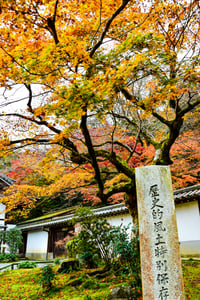
Also nestled in Nara Park, Kasuga Taisha is an ancient Shinto shrine known for its vibrant vermilion buildings and thousands of lanterns. These lanterns, donated by worshippers over centuries, line the approaches and hang from the shrine buildings, creating a unique atmosphere. The shrine's grounds offer a peaceful experience, especially with the surrounding forest and the occasional deer.
Cost: Entrance to the shrine's outer grounds is free. To enter the inner area for a closer view of the main sanctuary, there is a fee of 700 JPY. The Kasuga Taisha Museum has an admission fee of 500 JPY.

Transport: Kasuga Taisha Shrine is approximately a 30-minute walk from Kintetsu Nara Station or a 45-minute walk from JR Nara Station. City loop buses (e.g., #2 or #6) from both stations stop at Kasuga Taisha Honden bus stop, which is a short walk to the shrine, costing around 250 JPY.

4. Kofuku-ji Temple

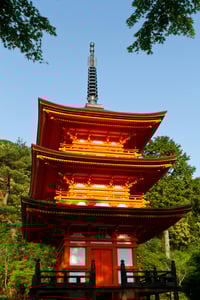
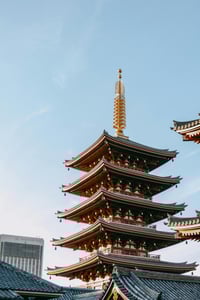
Kofuku-ji is a historic Buddhist temple and a UNESCO World Heritage Site, recognized by its prominent five-story pagoda, the second tallest in Japan. Once the family temple of the powerful Fujiwara clan, the grounds house several buildings of historical value, including the Eastern Golden Hall and the National Treasure Museum, which displays a collection of Buddhist art, notably the three-faced, six-armed Ashura Statue.

Cost: Entrance to the temple grounds is free. Admission to the National Treasure Museum is 700 JPY, and to the Eastern Golden Hall is 300 JPY. A combined ticket for both is 900 JPY.

Transport: Kofuku-ji Temple is a short walk (5 minutes) from Kintetsu Nara Station. From JR Nara Station, it is about a 15-20 minute walk east along Sanjo Dori. It can also be reached by Nara City Loop Line Bus #2 from both stations for 210 JPY.

5. Naramachi District

Naramachi, the former merchant district of Nara, offers a glimpse into traditional Japanese urban life with its preserved Edo and Meiji period townhouses. Many of these narrow 'machiya' homes have been converted into charming cafes, boutiques, craft shops, and small museums. Strolling through its compact, winding streets provides a relaxed experience and a chance to discover unique souvenirs.

Cost: Exploring the Naramachi district is free. Some specific museums or attractions within Naramachi, such as Gangoji Temple, may have entrance fees (e.g., Gangoji Temple is 500 JPY).

Transport: Naramachi is located about a 10-15 minute walk south of Kintetsu Nara Station or a 20-minute walk southeast from JR Nara Station. Nara's loop buses (numbers 1 and 2) also serve the southern border of Naramachi.

Discover destinations in Japan