Kyoto

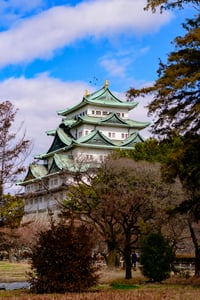
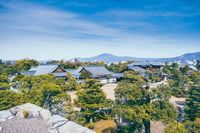
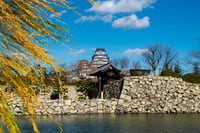
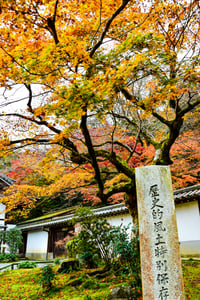
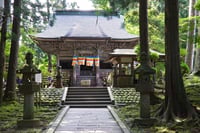
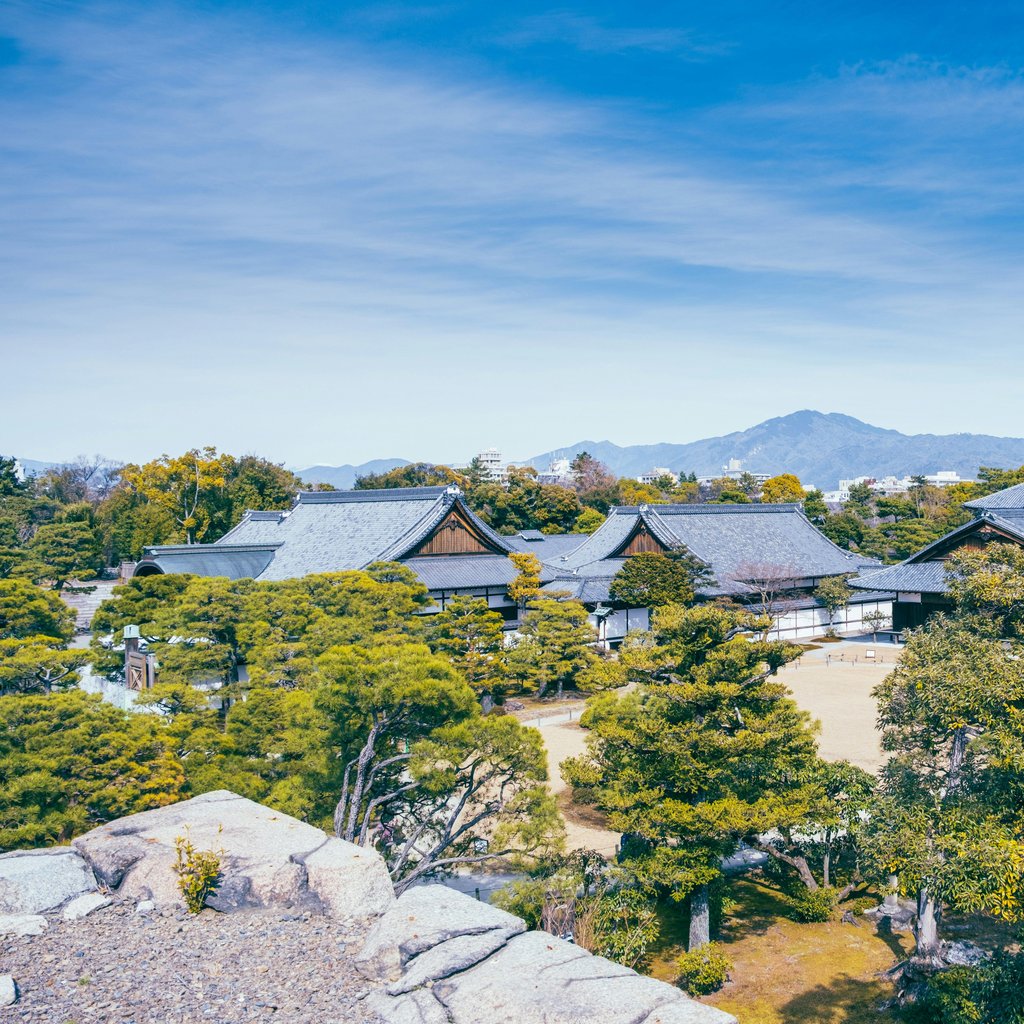
Explore the classic beauty of Nijo Castle in Kyoto, surrounded by lush gardens and historical architecture.
Heather Mallon, Pexels

Kyoto, Japan's ancient capital, offers a deeply immersive experience into traditional Japanese culture and history, featuring a wealth of temples, shrines, and serene gardens. Visitors can explore iconic landmarks and engage in unique cultural activities, blending historical charm with elements of modern city life.

For opportunities to socialize with other travelers, Kyoto's hostels and guesthouses are a common choice. The Gion district, known for its traditional tea houses and geisha culture, provides atmospheric dining and cultural performances. Additionally, Pontocho Alley is popular for izakaya hopping and experiencing local nightlife.

Top 7 Things to do in Kyoto

Visitors can immerse themselves in Kyoto's rich cultural heritage through historical sites, serene natural landscapes, bustling markets, and authentic traditional experiences.

1. Fushimi Inari-taisha Shrine

One experiences walking through thousands of vibrant orange torii gates that create seemingly endless pathways up Mount Inari. This site offers a unique visual experience and an invigorating ascent, with smaller shrines and scenic overlooks appearing along the route. It provides a blend of physical activity and spiritual exploration, highlighting the cultural significance of the donated gates.

Cost: Entrance is free.

Transport: The shrine is directly accessible from JR Inari Station, which is a short train ride on the JR Nara Line from Kyoto Station. Travel by taxi is also an option, with costs varying by distance.


2. Arashiyama Bamboo Grove & Tenryu-ji Temple

This area provides a tranquil escape into a towering bamboo forest where the stalks create a distinct natural atmosphere. Adjacent to the grove is Tenryu-ji Temple, a UNESCO World Heritage site known for its traditional Zen garden and serene Buddhist halls. One finds a profound sense of calm amidst the natural beauty and spiritual grounds.

Cost: Entrance to the Bamboo Grove is free. Tenryu-ji Temple garden admission is approximately ¥500, with an additional ¥300 to access the temple halls.

Transport: From Kyoto Station, one can take the JR Sagano Line (San-in Line) to Saga-Arashiyama Station, which takes about 15 minutes. The bamboo grove and temple are a 10-15 minute walk from the station. Kyoto City Buses also serve the Arashiyama area. Taxi fares will be higher depending on the starting point.

3. Kinkaku-ji (Golden Pavilion)

One encounters a striking Zen Buddhist temple, with its top two floors famously covered in gold leaf, creating a brilliant reflection in the surrounding pond. This landmark offers a visually spectacular experience, epitomizing classic Japanese architecture and garden design.

Cost: Admission is approximately ¥500 for adults and ¥300 for primary and middle school students. Payment is typically cash only.

Transport: From Kyoto Station, the Kyoto City Bus (numbers 101 or 205) provides direct access to the Kinkakuji-michi bus stop in about 40-45 minutes, costing around ¥230. Taxis are available for a more direct route.

4. Kiyomizu-dera Temple & Higashiyama Streets

Visitors discover Kiyomizu-dera, a UNESCO World Heritage site renowned for its impressive wooden stage that extends over the hillside, offering panoramic views across Kyoto. The surrounding Higashiyama district features charming stone-paved streets, such as Sannenzaka and Ninenzaka, lined with traditional wooden buildings, shops, and teahouses. It provides an opportunity to experience an old-world Japanese atmosphere while exploring unique boutiques.

Cost: Admission to Kiyomizu-dera Temple is approximately ¥400. Exploring the Higashiyama streets is free, with costs for shopping and dining varying.

Transport: One can take Kyoto City Bus (numbers 100 or 206) from Kyoto Station to the Kiyomizu-michi bus stop, a journey of approximately 15 minutes, followed by a 10-minute uphill walk. Taxis are also readily available.

5. Gion District

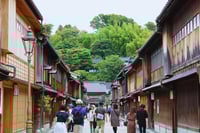
Exploring Gion, Kyoto's historic geisha district, visitors encounter traditional wooden machiya houses, intimate tea houses, and narrow alleys like Hanami-koji. It provides a chance to glimpse traditional Japanese entertainment and experience the district's evocative evening ambiance.
Cost: Wandering the district is free. Experiencing cultural performances, dining in traditional tea houses, or joining a guided tour will incur additional costs.

Transport: Gion is easily accessible from Kyoto Station via Kyoto City Bus (e.g., numbers 100 or 206 to Gion bus stop). The district is highly walkable.

6. Nishiki Market

Known as 'Kyoto's Kitchen,' this bustling covered market street presents a vibrant array of local foods, fresh produce, seafood, and traditional snacks. One can sample various regional delicacies and observe the daily culinary life of Kyoto.

Cost: Entrance is free; the cost depends on food purchases. Guided food tours, which include tastings, typically range from approximately ¥8,000 to ¥15,000.

Transport: The market is centrally located and easily walkable from Shijo Station (Karasuma Line) or Karasuma Station (Hankyu Kyoto Line). Numerous city buses also have stops nearby.

7. Tea Ceremony Experience

One can participate in a traditional Japanese ritual of preparing and serving matcha green tea, which embodies principles of harmony, respect, purity, and tranquility. These ceremonies are often conducted in serene traditional tea houses, offering deep insight into Japanese hospitality and mindful practice.
Cost: Shared group tea ceremonies typically start from around ¥3,000-¥4,000 per person. Private sessions or those including kimono rental can range from approximately ¥6,000 to ¥15,000 or more per person, depending on the venue and inclusions.
Transport: Many tea ceremony venues are situated in central Kyoto districts like Gion, near Kyoto Station, or in the Karasuma-Gojo area, making them accessible by public transport (bus or subway) or by walking.

Discover destinations in Japan