Our website is funded by adverts and affiliate links. If you make a purchase, we may earn a commission at no cost to you. If you find the content useful, please consider disabling your adblocker and booking through these links! Thank you!
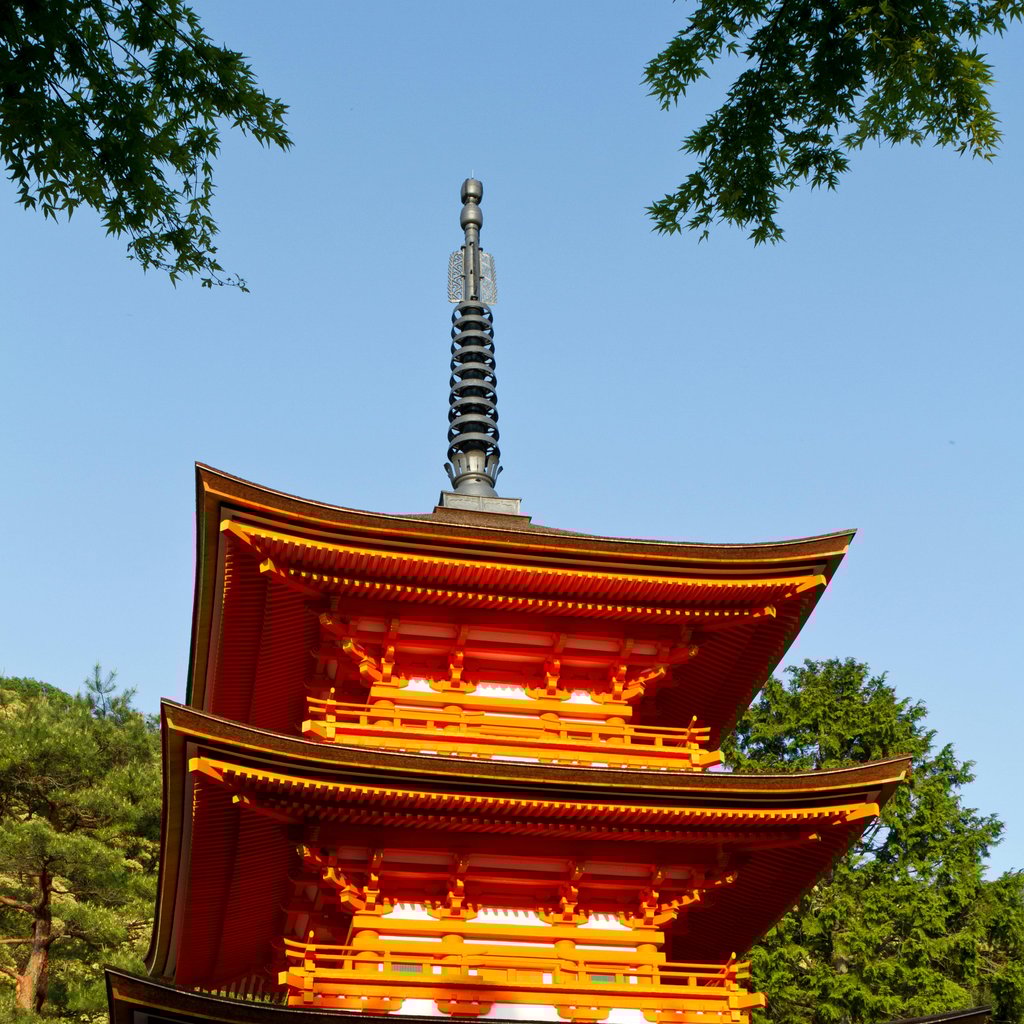
Rev. Lisa j Winston, Pexels
Koyasan's accommodation scene is predominantly characterized by temple lodgings, known as shukubo, which offer a unique opportunity for guests to immerse themselves in the spiritual practices and tranquil atmosphere of a Buddhist monastery.
1. Eko-in
Type: Temple Lodging (Shukubo)
Ideal for first-time visitors, Eko-in offers a serene and welcoming environment with English-speaking staff who guide guests through temple etiquette. It provides opportunities to participate in morning prayers, fire rituals, and even a guided night tour of Okunoin Cemetery. The vegan dinner and breakfast are served in the room, enhancing the private and reflective experience.
2. Koyasan Shukubo Sojiin
Type: Temple Lodging (Shukubo)
Sojiin is praised for its immaculate grounds and deeply serene atmosphere. Guests consistently highlight the exceptional quality of its vegetarian Buddhist cuisine (Shojin Ryori), described as healthy, delicious, and beautifully presented. The temple offers a warm welcome and provides the chance to attend the morning chanting ceremony, fostering a profound cultural immersion.
3. Koyasan Rengejoin
Type: Temple Lodging (Shukubo)
Offering a tranquil retreat, Rengejoin provides a traditional Japanese lodging experience within a historical district, complete with an indoor public bath and a calming Japanese garden. Guests can enjoy comfortable rooms, some with Western beds, and are invited to partake in the morning ceremony and savor the authentic Shojin Ryori meals.
4. Koyasan Shukubo Fudoin
Type: Temple Lodging (Shukubo)
Fudoin is well-regarded for its convenient central location and offers spacious rooms with traditional Japanese futon bedding. Guests appreciate the delicious Shojin Ryori cuisine and the presence of a senior priest who speaks excellent English, which aids in understanding the temple's history and rituals. It also features a relaxing public bath for guests.
At TFA Travel we believe in travel for all. Our mission is to enable people to explore the world as easily as possible without having to pay a travel agent a huge commission.
Our typical audience are those that want to see something new and get involved with authentic experiences of a country. Whether you are a backpacker, solo traveller, solo female traveller, straight or LGBTQ+ couple, family, you will find local and authentic experiences here.