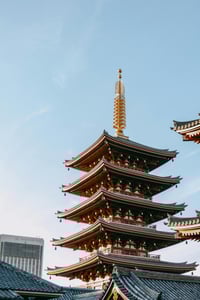
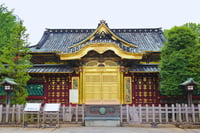
Koyasan, a UNESCO World Heritage site nestled in Japan's Wakayama mountains, offers a profound spiritual retreat centered around Shingon Buddhism. Visitors experience its serene atmosphere through historic temples, ancient forests, and unique overnight temple stays, immersing themselves in monastic life, vegetarian cuisine, and morning rituals.
While Koyasan is primarily a destination for quiet reflection and spiritual immersion, there are no specific areas designated for socialising with other tourists or backpackers. Shared experiences often occur naturally through communal vegetarian meals and participation in the morning prayers and meditation sessions offered at the temple lodgings, providing a gentle sense of camaraderie among fellow guests.
Top 6 Things to do in Koyasan
Koyasan offers a range of spiritual and historical activities, including immersive temple stays, exploration of sacred sites, visits to cultural museums, and opportunities for reflective hiking.
1. Overnight Temple Stay (Shukubo)
Staying overnight at a shukubo provides a unique opportunity to experience the traditional lifestyle of Buddhist monks. Guests can participate in morning prayers, meditation sessions, and fire rituals (Goma), immersing themselves in the serene atmosphere. Traditional vegetarian cuisine, known as shojin ryori, is served for dinner and breakfast, offering a taste of monastic life. Many temples are accustomed to foreign visitors, with some offering English-speaking monks. It is advisable to book temple lodgings in advance due to their popularity.
Cost: Costs typically range from ¥10,000 to ¥40,000 per person per night, including dinner and breakfast. Some more luxurious options may exceed ¥50,000. Prices have generally been rising in recent years. Many temples prefer cash payments.
Transport: Temple lodgings are generally located within the main town area of Koyasan. Once you arrive at Koyasan Station via cable car, local buses provide transport to various areas of the town. Many temples are within walking distance of bus stops.
2. Explore Okunoin Cemetery
Okunoin is Japan's largest cemetery and one of Koyasan's most sacred sites, featuring hundreds of thousands of tombstones and memorial monuments nestled beneath ancient cedar trees. It is the location of Kobo Daishi's mausoleum, where he is believed to be in eternal meditation. The Torodo Lantern Hall, housing over 10,000 eternally lit lanterns, is a central point of worship within the cemetery. Visiting in the early morning or late afternoon can offer a particularly atmospheric experience, and night tours are often recommended for a unique perspective.
Cost: Entry to Okunoin Cemetery is free. Guided night tours, if offered separately from a temple stay, may incur a fee.
Transport: Okunoin is located at the eastern end of Koyasan town. From Koyasan Station, take a Nankai Rinkan bus towards Okunoin-mae or Ichinohashiguchi. The bus ride takes approximately 21-23 minutes and costs ¥310-¥420. The main approach from Ichinohashi to the mausoleum is about 2 kilometers.
3. Visit Danjo Garan
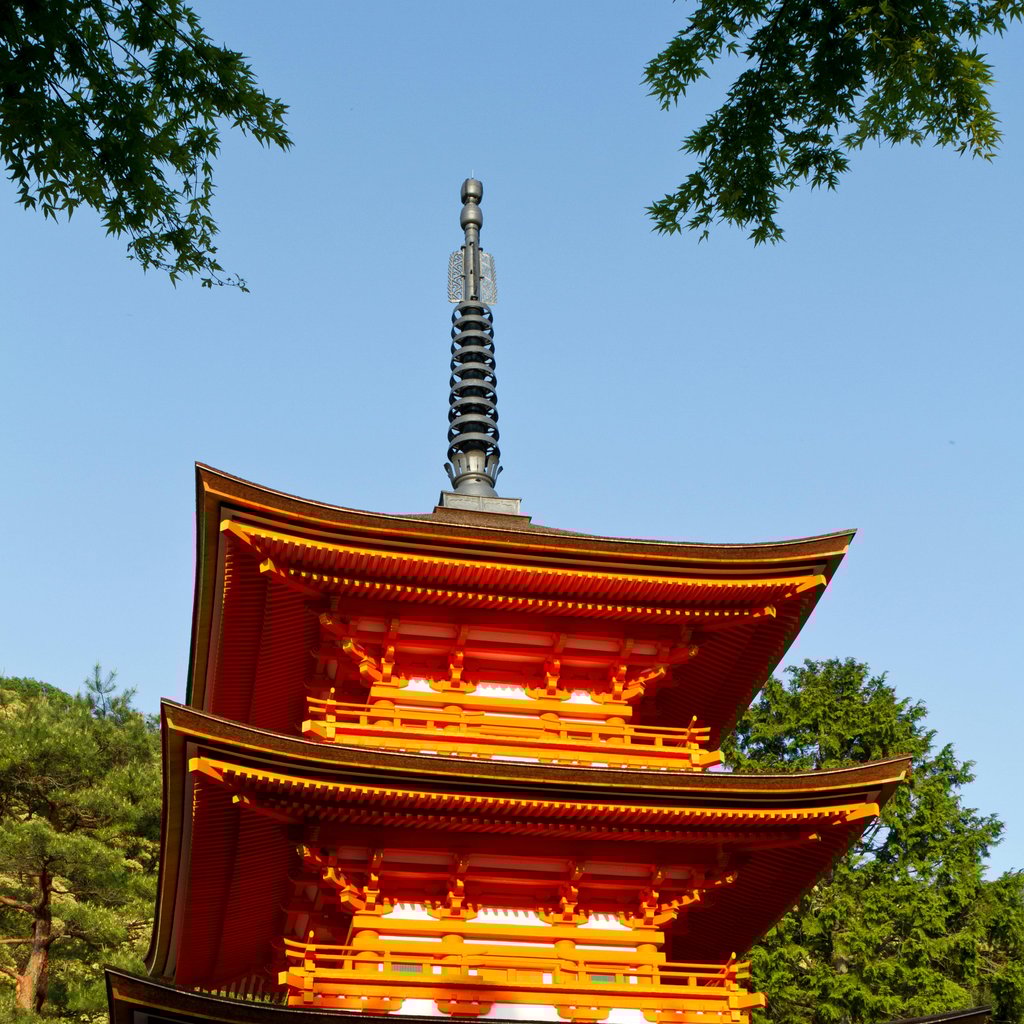
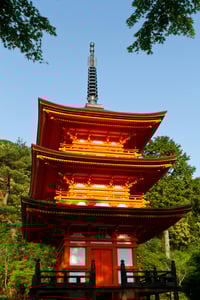
Danjo Garan is a central monastic complex designed by Kobo Daishi as a physical mandala, representing the Shingon Buddhist universe. It contains several important structures, including the vibrant vermilion Konpon Daito (Great Pagoda) and the Kondo Hall, where significant religious rituals are held. Exploring this area provides insight into the architectural and spiritual foundations of Koyasan.
Cost: Admission to the Konpon Daito and Kondo Hall is ¥500 each. A common ticket covering six sites, including Danjo Garan and Kongobu-ji, is available for ¥1,500.
Transport: Danjo Garan is situated in Koyasan's town center, making it easily accessible by walking from central bus stops like Senjuinbashi.
4. Explore Kongobu-ji Temple
Kongobu-ji is the head temple of Shingon Buddhism, founded in 1593. Visitors can explore its grand halls, admire intricate screen paintings, and wander through the Banryutei Garden, which is Japan's largest rock garden. This temple offers a glimpse into the administrative and artistic aspects of the Shingon sect.
Cost: Admission for adults is ¥500. It is often included in combination tickets for multiple Koyasan attractions.
Transport: Kongobu-ji Temple is centrally located in Koyasan, near the Senjuinbashi intersection, and is easily explored on foot from nearby bus stops.
5. Discover the Reihokan Museum (Koyasan Treasure Museum)
The Reihokan Museum serves as a repository for Koyasan's vast collection of religious and cultural artifacts, accumulated over centuries. The museum exhibits thousands of items, including Buddhist statues, mandalas (paintings representing metaphysical maps), and other religious tools, with many designated as National Treasures and Important Cultural Properties. It offers a quiet setting to appreciate the historical depth and artistic heritage of Shingon Buddhism.
Cost: Admission is ¥1,300 for adults. Discounts are available with the Koyasan World Heritage Ticket (¥1,100) or as part of a combination ticket for multiple sites.
Transport: The Reihokan Museum is centrally located in Koyasan, a short walk from the Senjuinbashi intersection and adjacent to Danjo Garan and Kongobu-ji Temple.
6. Hike the Choishi Michi Pilgrimage Trail
The Choishi Michi is the traditional pilgrimage route to Koyasan, extending 24 kilometers from Jison-in Temple near Kudoyama Station to the Daimon Gate. The trail is marked by stone pillars (Choishi) and offers a challenging yet rewarding experience through ancient forests, reflecting the journey taken by pilgrims centuries ago. Hikers should be prepared for varying terrain and be aware of wildlife, including bears. This activity offers a deep connection to the historical and natural landscape surrounding Koyasan.
Cost: The trail itself is free to access. Transport to the trailhead at Kudoyama Station will incur train fares from your starting point.
Transport: To begin the hike, take the Nankai Koya Line to Kudoyama Station, then walk approximately 500 meters to Jison-in Temple, where the trail starts. Upon reaching Daimon Gate in Koyasan, local buses can transport you to the town center.
At TFA Travel we believe in travel for all. Our mission is to enable people to explore the world as easily as possible without having to pay a travel agent a huge commission.
Our typical audience are those that want to see something new and get involved with authentic experiences of a country. Whether you are a backpacker, solo traveller, solo female traveller, straight or LGBTQ+ couple, family, you will find local and authentic experiences here.