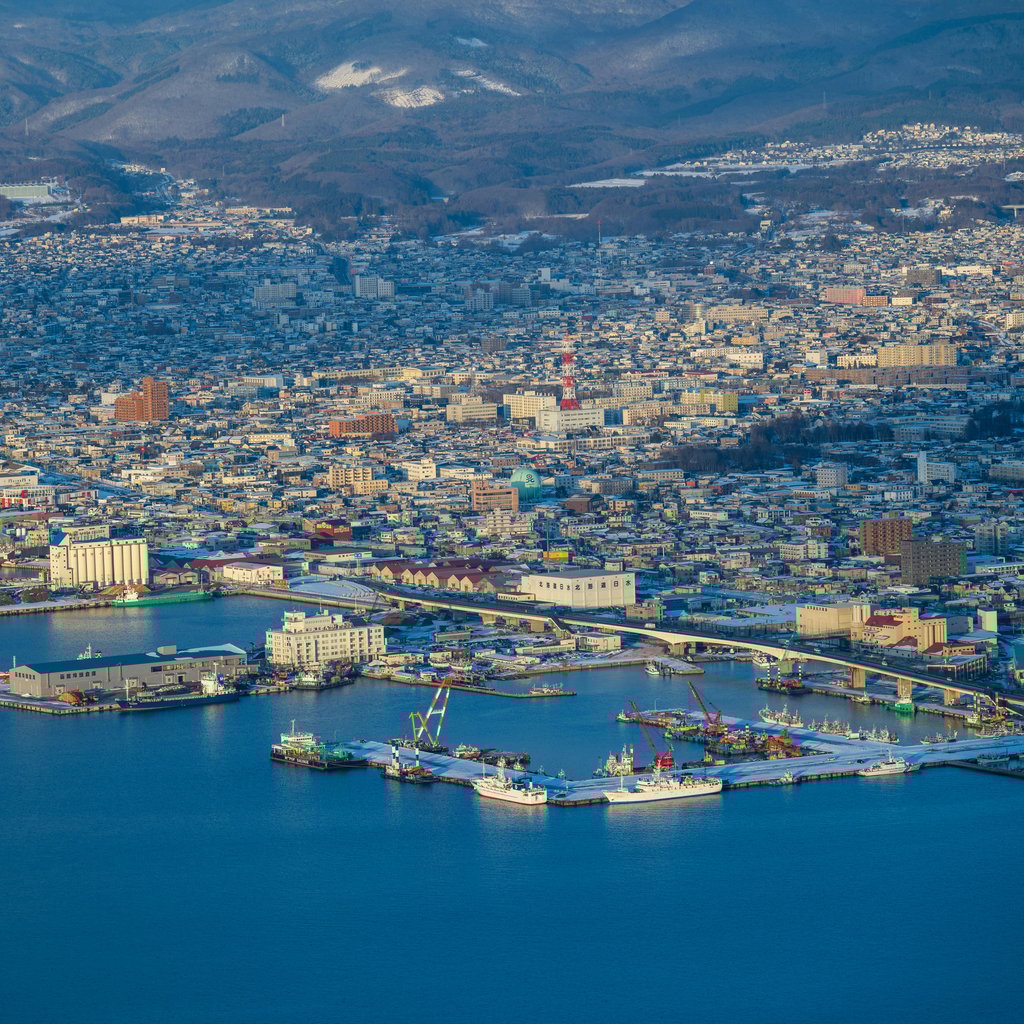
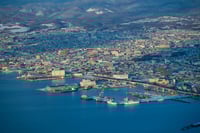
Hakodate, a historic port city in Hokkaido, offers visitors a distinctive blend of Japanese and Western influences, stemming from its role as one of Japan's first open trade ports. The city is renowned for the breathtaking night view from Mount Hakodate, considered among Japan's most spectacular, and provides a rich culinary experience, notably its fresh seafood from the vibrant Morning Market and local Hakodate shio ramen. Visitors can explore distinctive historical sites like the star-shaped Goryokaku Fort and the foreign-influenced Motomachi district, or unwind in the relaxing hot springs of Yunokawa Onsen.
The city does not feature specific districts known as hubs for socializing primarily with other tourists or backpackers. While popular areas like the Daimon Yokocho, known for its food, and the bustling Hakodate Bay Area, which includes the Kanemori Red Brick Warehouses for shopping and events, attract many visitors, they are not specifically designated as social meeting points for travelers.
Top 7 Things to do in Hakodate
Visitors to Hakodate can immerse themselves in historical exploration, enjoy panoramic city views, savor fresh local cuisine, and experience relaxing hot springs.
1. Mount Hakodate Night View
Experience one of the world's most spectacular night views from the summit of Mount Hakodate. The city lights spread out like a glittering jewel box, framed by the surrounding bays. It is often recommended to arrive approximately 30 minutes after sunset to witness the lights at their most captivating. Facilities at the summit include observation platforms, souvenir shops, and dining options.
Cost: A round trip on the Hakodateyama Ropeway costs ¥1,800 for adults and ¥900 for children. A one-way ticket is ¥1,200 for adults and ¥600 for children. Children under 2 years old ride for free, and one preschool child (3 years or older) per adult is also free.
Transport: The Hakodateyama Ropeway's lower station is in the Motomachi District, reachable by a 10-minute walk from the Jujigai tram stop (approximately ¥210 from Hakodate Station). Direct Hakodate Bus services also run from Hakodate Station to the ropeway station (approximately ¥250, 10 minutes) or directly to the summit (¥500 one way, 30 minutes, available late April to mid-November). Private cars are generally restricted from 5:00 PM to 10:00 PM (16:00 to 21:00 in October and November) during peak viewing times.
2. Hakodate Morning Market (Asaichi)
Begin your day at the Hakodate Morning Market, a lively hub near Hakodate Station featuring over 250 stalls. This market offers an abundance of fresh seafood, local produce, and Hokkaido specialties. Visitors can enjoy a seafood donburi (rice bowl) for breakfast at Donburi Yokocho Alley or even try their hand at live squid fishing. Engaging with the vendors provides a genuine glimpse into Hakodate's vibrant maritime culture.
Cost: There is no entry fee for the market itself. The cost of food and souvenirs varies by vendor.
Transport: The market is conveniently located just a one-minute walk from JR Hakodate Station, making it easily accessible on foot.
3. Goryokaku Fort and Goryokaku Tower
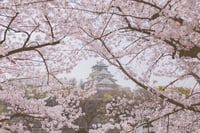
Explore the star-shaped Goryokaku Fort, a significant Western-style citadel built in the late Edo Period. Now a public park, it is particularly beautiful in early May when over a thousand cherry trees bloom along its moats. For an unparalleled perspective of the fort's unique five-pointed star shape, ascend the nearby Goryokaku Tower, which offers panoramic views of the fort, Hakodate city, and the distant mountains.
Cost: Admission to Goryokaku Fort park is free. Entrance to the reconstructed Former Magistrate Office inside the fort costs ¥500. A ticket for Goryokaku Tower costs ¥1,200 for adults, with free admission for children aged 0-5.
Transport: From Hakodate Station, take a tram to the 'Goryokaku Koen-mae' stop (approximately 15 minutes, ¥230 one way). The fort and tower are then about a 10-minute walk from the tram stop. A one-day tram pass for unlimited rides costs ¥600.
4. Motomachi District
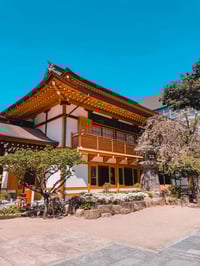
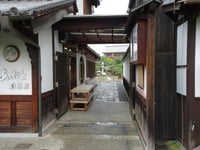
Wander through Motomachi, a charming, hilly district at the base of Mount Hakodate. This area showcases Hakodate's rich history as one of Japan's first open trade ports, featuring well-preserved Western-style buildings, churches, and former consulates. Notable sites include the Old Public Hall of Hakodate Ward, the Former British Consulate, and the Hakodate Orthodox Church. The district's sloping streets also offer picturesque views of Hakodate Port.
Cost: Admission to the Old Public Hall of Hakodate Ward is ¥300 (public hall only), or ¥500 for a combined ticket with the Former British Consulate. The Former British Consulate's museum also costs ¥300, or a combined ¥500. A part of the Former British Consulate, including its tea room, can be accessed for free.
Transport: Motomachi is easily accessible by tram. Take the tram from Hakodate Station to the 'Jujigai' tram stop (approximately 5 minutes, ¥210), from where the district is a short walk.
5. Kanemori Red Brick Warehouses
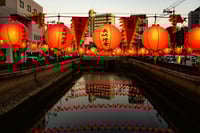
Located in the Hakodate Bay Area, the Kanemori Red Brick Warehouses are a collection of beautifully restored historical buildings that once served as storage facilities. Today, these warehouses house a vibrant complex of over 50 shops, cafes, and restaurants, offering a unique shopping and dining experience. The area's charming architecture and seaside location make it a pleasant spot for a stroll, especially when illuminated in the evening.
Cost: There is no admission fee to enter the Kanemori Red Brick Warehouses complex. Costs for shopping and dining vary based on individual preferences.
Transport: From Hakodate Station, take the tram to the 'Jujigai' tram stop (approximately 5 minutes). The warehouses are then a 5-minute walk. Alternatively, it is about a 15-minute walk directly from Hakodate Station.
6. Yunokawa Onsen
Unwind and rejuvenate at Yunokawa Onsen, one of Hokkaido's three major hot spring resorts. Conveniently located near Hakodate Airport, this area offers a variety of traditional Japanese inns (ryokan) with hot spring baths known for their healing properties. For a relaxing public experience, visitors can enjoy the free footbath, 'Yunokawa Onsen Footbath Yumeguri Butai,' situated directly in front of the Yunokawa Onsen tram stop.
Cost: The public footbath is free of charge. Day-trip access to public baths at some hotels can start from around ¥500. Prices for private onsens or more luxurious hotel baths may range higher, for example, ¥1,100 to ¥2,750 per hour depending on the facility.
Transport: Yunokawa Onsen is the final stop on the Hakodate City Tram line, making it easily accessible from Hakodate Station and other city center locations. Tram fares range from ¥210 to ¥260.
7. Try Hakodate Shio Ramen
Savor Hakodate's distinct culinary specialty, Shio Ramen. Unlike other regional ramen styles, Hakodate's version is characterized by its light, clear, and flavorful salt-based broth, often made with a seafood or kombu (kelp) base. Many highly-rated ramen shops throughout the city offer this local delicacy, providing an authentic taste of Hakodate's unique food culture.
Cost: The cost of a bowl of Shio Ramen typically varies by restaurant, but can be under ¥999.
Transport: Ramen shops are widely available across Hakodate. Many popular establishments are within walking distance of major areas like Hakodate Station or accessible via the city tram.
At TFA Travel we believe in travel for all. Our mission is to enable people to explore the world as easily as possible without having to pay a travel agent a huge commission.
Our typical audience are those that want to see something new and get involved with authentic experiences of a country. Whether you are a backpacker, solo traveller, solo female traveller, straight or LGBTQ+ couple, family, you will find local and authentic experiences here.