Yakushima

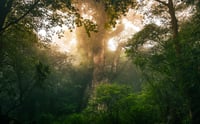
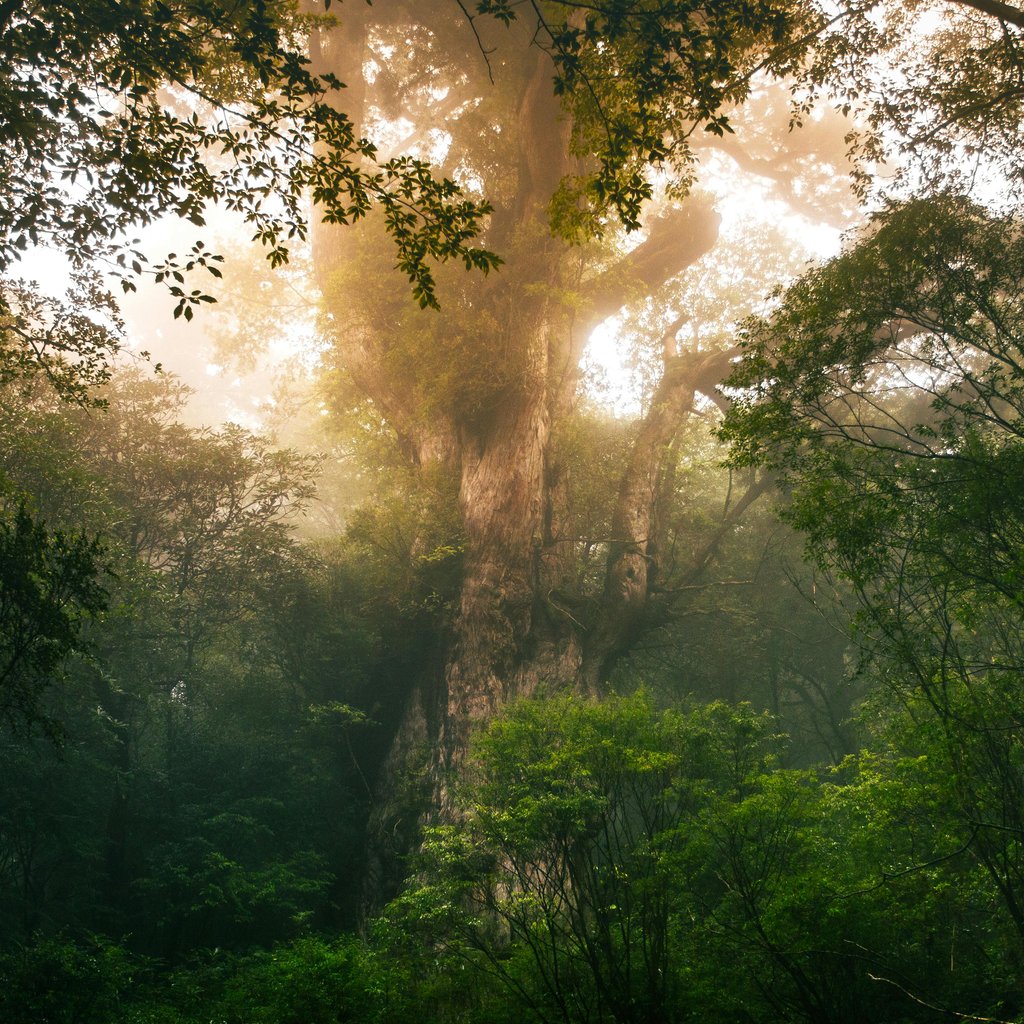
Epic shot of a towering cedar tree in Yakushima's lush forest, capturing the ethereal beauty of nature.
Marek Piwnicki, Pexels

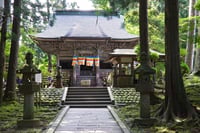
Yakushima is a subtropical Japanese island renowned for its ancient cedar forests, including UNESCO World Natural Heritage sites like Shiratani Unsuikyo and Yakusugi Land. It offers a unique natural experience with diverse ecosystems, waterfalls, and opportunities to observe endemic wildlife such as Yakushika deer and Yaku-zaru macaques.

The island does not feature specific designated social areas or districts for tourists and backpackers. Interactions are more likely to occur naturally during guided ecotours or within accommodations, which are primarily situated around the port towns of Miyanoura and Anbo on the eastern coast.

Top 6 Things to do in Yakushima

Exploring Yakushima involves immersing oneself in ancient cedar forests, discovering unique wildlife, and unwinding in natural hot springs.

1. Trekking in Shiratani Unsuikyo Ravine

Walking through Shiratani Unsuikyo Ravine feels like stepping into a Studio Ghibli film, with its lush moss-covered trees and clear streams. The paths here cater to various hiking levels; the Taiko-Iwa course, a popular 4-5 hour round trip covering about 5.6 km, leads to a large rocky outcrop offering panoramic views of the forest and surrounding landscape. Even the shorter routes provide an enchanting experience among ancient cedars and atmospheric scenery.

Cost: There is a mountain entry fee required at the entrance of Shiratani Unsuikyo. While specific direct costs aren't detailed in recent searches, guided tours for Shiratani Unsuikyo range from approximately 6,500 to 10,000 JPY (tax included), which typically includes transportation, insurance, and guide fees.

Transport: The ravine is easily reached from Miyanoura Port, approximately 30 minutes by car. If using public transport, buses run from Miyanoura Port; the journey takes about 35 minutes and costs 560 JPY one-way or 1,120 JPY for a round trip. However, bus services are infrequent, with about seven services per day, so checking the timetable in advance is essential. A rental car offers more flexibility.


2. Hiking to Jomon Sugi

Embarking on the Jomon Sugi hike is a challenging yet highly rewarding full-day trek to witness the oldest and largest cedar tree on Yakushima, estimated to be up to 7,200 years old. This long journey, averaging about 10 hours round trip, takes you along an old railway line before entering the deeper forest, where you encounter other ancient cedars and the remains of a logging village. This hike requires good physical fitness due to its length.

Cost: Access to the Arakawa Trailhead (the starting point for Jomon Sugi) between March 1st and November 30th requires a special trekking bus. The round-trip bus fare is 2,000 JPY, which includes a 1,000 JPY mandatory environmental conservation fee. You must purchase tickets in advance at the Yakusugi Shizenkan museum. Guided tours for the Jomon Sugi hike typically cost from 25,000 JPY to 30,000 JPY per person for a group of 2, and include guide fees, insurance, and sometimes lunch.

Transport: Private vehicles are not permitted to the Arakawa Trailhead during the peak season (March 1st to November 30th). Instead, hikers must take a mandatory shuttle bus from the Yakusugi Shizenkan near Anbo. Buses run early in the morning (04:40 to 06:00) and return in the afternoon (15:00 to 18:00).

3. Exploring Yakusugi Land

Yakusugi Land is a recreational forest that offers a more accessible way to experience Yakushima's ancient cedar trees compared to the Jomon Sugi hike. It features various well-maintained circular trails ranging from 30 minutes to 2.5 hours, making it suitable for all fitness levels. Along these paths, you can observe several magnificent yakusugi (cedar trees over 1,000 years old), including Buddhasugi and Sennensugi. A further 15-minute drive from Yakusugi Land is the Kigensugi, which is uniquely accessible by car.

Cost: Admission to Yakusugi Land is 500 JPY. If you have an unlimited bus ticket, you might receive a 100 JPY discount. Guided tours for Yakusugi Land can range from approximately 39,000 JPY per person, covering transport and entry fees.

Transport: Yakusugi Land is about a 40-minute drive from Anbo Town. Public bus service is available from Anbo, costing 1,050 JPY one-way and taking about 40 minutes. For those planning to use buses extensively, a one-day free bus pass costs 2,000 JPY, and a three-day pass is 3,000 JPY. Rental cars are recommended due to limited bus services.

4. Sea Turtle Watching at Nagata Inakahama Beach

Nagata Inakahama Beach is a significant nesting site for sea turtles, particularly loggerhead turtles, in the North Pacific. From May to July, these magnificent creatures come ashore at night to lay their eggs. While visiting the beach during the day offers beautiful white sands and ocean views, nighttime turtle watching tours are available during nesting season to observe them responsibly. Strict rules are in place to protect the turtles and their eggs.
Cost: Access to the beach during the day is free. For nighttime sea turtle observation, it is mandatory to join an observation group, and advance reservations are required. While specific costs for observation tours are not detailed in recent searches, guided tours that include turtle watching are available.

Transport: Nagata Inakahama Beach is about a 26-minute drive from Miyanoura Port or 54 minutes from Anbo by car. Public bus access is also available, though less frequent.

5. Bathing in Hirauchi Kaichu Onsen

Experiencing Hirauchi Kaichu Onsen is a unique opportunity to relax in a natural seaside hot spring. The baths are carved into rock pools by the ocean and are only accessible for about four hours twice a day, specifically around two hours before and after low tide, when they emerge from the sea. It is a simple sulfur hot spring, shared and mixed-gender, without changing rooms, and bathing without clothing is the local custom. It's a truly authentic and refreshing local experience.

Cost: A small donation of around 200 JPY is requested in a box at the entrance, as the onsen is maintained by local residents.

Transport: Hirauchi Kaichu Onsen is in the southern part of the island. It can be reached by bus from Miyanoura Port (approximately 80 minutes) or Yakushima Airport (approximately 45 minutes). Get off at the 'Hirauchi Kaichu Onsen' bus stop, and the onsen is an 8-minute walk away.

6. Wildlife Spotting on Seibu Rindo Forest Path

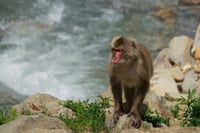
Driving along the Seibu Rindo Forest Path offers a unique opportunity for a 'private safari' experience within a UNESCO World Heritage area. This narrow, winding road on the island's west coast is not serviced by public buses due to its challenging terrain. Here, you are highly likely to encounter Yakushima's endemic wildlife, including the adorable Yakushika deer and Yaku-zaru macaques, often grazing fearlessly by the roadside.

Cost: There is no cost to drive along the Seibu Rindo Forest Path.

Transport: This path is best accessed by rental car, as public buses do not operate on this section of the road. It forms part of a circular route around the island.

Discover destinations in Japan