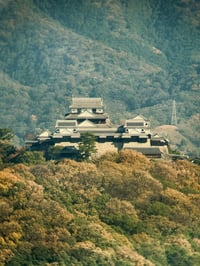
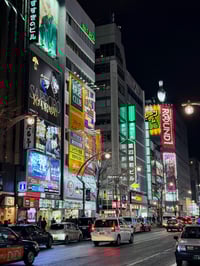
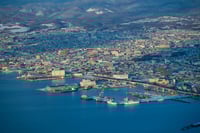
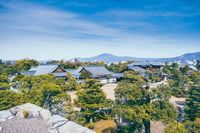
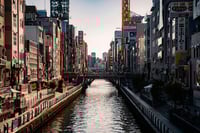
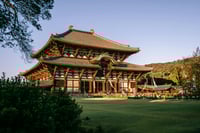
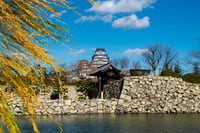
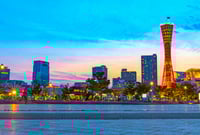
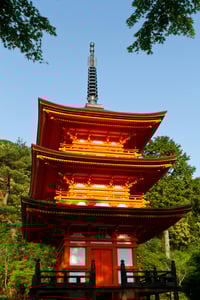
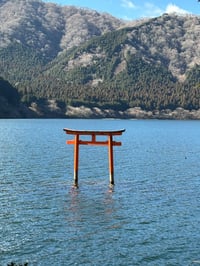
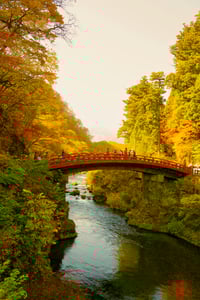
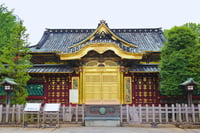
Nagasaki, situated on Japan's Kyushu island, is a distinctive port city offering a profound historical narrative alongside a vibrant blend of Japanese, European, and Chinese cultures. Visitors can explore its significant historical sites, including those commemorating its atomic bombing, while also enjoying stunning night views from Mount Inasa and the unique architecture of areas like Dejima and Glover Garden. The city serves as an ideal destination for those seeking a culturally rich experience and scenic beauty, often appealing to travelers looking for a less crowded alternative to Japan's more prominent cities.
For socializing, the Shianbashi district stands out as Nagasaki's primary entertainment area, featuring numerous bars, karaoke venues, and izakayas, perfect for evening gatherings. Additionally, Nagasaki Dejima Wharf offers a relaxed, resort-like setting with various restaurants and bars, providing an opportunity to enjoy the bay views and dine. Shinchi Chinatown also fosters a lively atmosphere, especially during festivals, with abundant street food options for visitors to enjoy and mingle.
Top 6 Things to do in Nagasaki
Activities in Nagasaki range from exploring its profound historical sites and multi-cultural influences to enjoying panoramic cityscapes and engaging with local traditions.
1. Nagasaki Atomic Bomb Museum & Peace Park
The Nagasaki Atomic Bomb Museum provides a detailed account of the atomic bombing on August 9, 1945, its devastating aftermath, and the city's journey towards reconstruction. It fosters a deeper understanding of nuclear weapons and a plea for global peace. Adjacent to the museum, the Peace Park and Hypocenter Park offer a solemn space for reflection, featuring the iconic Peace Statue and Fountain of Peace. These sites serve as a powerful reminder of the tragedy and resilience of Nagasaki.
Transport: From JR Nagasaki Station, take tram line 1 or 3 (bound for Akasako) to the Atomic Bomb Museum or Peace Park tram stop (approximately 11-12 minutes, 150 JPY per ride). From there, it is about a 5-minute walk. Alternatively, a bus from Nagasaki Station to the Peace Park takes approximately 9-11 minutes (160-230 JPY). A taxi from Nagasaki Station to Peace Park takes about 3-5 minutes (1,700-2,600 JPY).
2. Mount Inasa Observatory
Mount Inasa, standing 333 meters high, is renowned for offering one of Japan's 'three best night views,' providing a stunning 360-degree panorama of Nagasaki city. The observation deck at the summit allows visitors to witness the city's lights twinkling like jewels, especially captivating during sunset. The path leading to the observatory is illuminated at night with changing fluorescent lights, creating a mystical atmosphere.
Transport: To reach the Ropeway's lower station from JR Nagasaki Station, take a Nagasaki Bus (approximately 5 minutes, 160 JPY) or walk 15 minutes from the Takaramachi tram stop. The ropeway ride to the summit takes about 5 minutes. A free shuttle bus is available in the evenings from selected hotels and Nagasaki Station to the lower ropeway station. Alternatively, a bus from Nagasaki Station to the Inasayama bus stop takes about 15 minutes (190 JPY), followed by a 15-20 minute uphill walk. A taxi from Nagasaki Station to the summit costs just over 2,000 JPY one way.
3. Glover Garden
Glover Garden is an open-air museum set on a hillside, showcasing the preserved mansions of former Western merchants who settled in Nagasaki after Japan reopened to foreign trade. It provides a unique insight into the city's rich international past and offers beautiful views overlooking Nagasaki Harbor. The former Glover House, Japan's oldest wooden Western-style building, is a key highlight. The garden incorporates moving walkways and escalators to facilitate uphill navigation.
Cost: Admission: 620 JPY for adults. Discounted tickets may be available for advance online purchase (560 JPY). Optional retro costume experience starts from 2,000 JPY for 30 minutes.
Transport: Take tram line 5 to the Ouratenshudo tram stop (150 JPY per ride), which is a 5-7 minute walk from Glover Garden. From JR Nagasaki Station, a tram ride to Ouratenshudo involves a transfer at Shinchi Chinatown.
4. Dejima
Dejima was a fan-shaped artificial island that served as Japan's sole window to the Western world during its 200-year period of national isolation. Today, this reconstructed historical site allows visitors to step back in time and explore various restored buildings that blend Japanese and Dutch architectural styles, including residences and warehouses. It provides a tangible connection to Nagasaki's pivotal role in international trade and cultural exchange.
Cost: Admission: 520 JPY.
Transport: From JR Nagasaki Station, take tram line 1 (bound for Sofukuji) to the Dejima tram stop (approximately 5 minutes, 150 JPY per ride). The site is located right next to the tram stop. Alternatively, take Nagasaki Bus #17 or #27 from Nagasaki Station South Exit to the Dejima bus stop (approximately 4 minutes), followed by a 1-minute walk.
5. Shinchi Chinatown
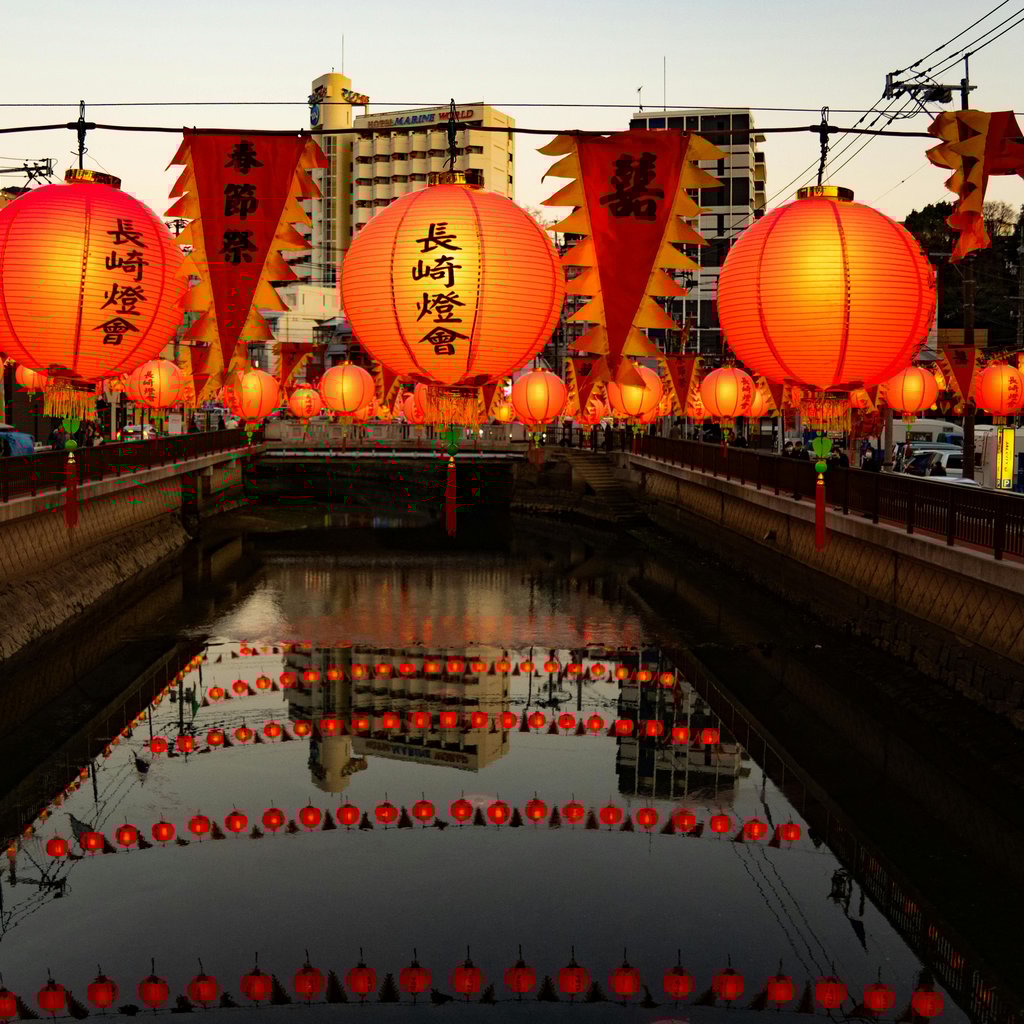
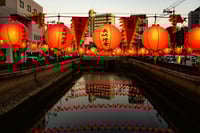
Nagasaki's Shinchi Chinatown is one of Japan's oldest and most vibrant Chinatowns, offering a lively cultural experience. It is famous for its unique fusion cuisine, especially local favorites like Champon noodles and Kakuni Manju. Visitors can explore a variety of Chinese restaurants, sweet shops, and stores selling Chinese goods. The area is particularly festive during the annual Lantern Festival in winter, when it is adorned with thousands of vibrant lanterns.
Cost: Free to enter and explore. Food and shopping costs vary.
Transport: A short walk from the Shinchi Chinatown tram stop, which is served by tram lines 1, 4, and 5. From JR Nagasaki Station, take tram line 1 or 5 to Shinchi Chinatown (approximately 6-8 minutes, 150 JPY per ride).
6. Meganebashi (Spectacles Bridge)
Meganebashi, also known as Spectacles Bridge, is recognized as Japan's oldest arch-shaped stone bridge. It gained its distinctive name from its elegant arches, which, when reflected in the calm waters of the Nakashima River below, create the illusion of a pair of spectacles. Strolling along the river, visitors can appreciate the bridge's historical significance and observe carp swimming in the clear water. It is also said that finding heart-shaped stones embedded in the surrounding path brings good luck.
Cost: Free.
Transport: From JR Nagasaki Station, take tram line 1 or 3 to Civic Hall tram stop (approximately 4 minutes, 150 JPY per ride), then walk to the bridge. Alternatively, take a bus from Nagasaki Station to Shinwa Bank-mae Chuo-bashi (approximately 6 minutes, 140-200 JPY). It is also within walking distance from Shinchi Chinatown.
At TFA Travel we believe in travel for all. Our mission is to enable people to explore the world as easily as possible without having to pay a travel agent a huge commission.
Our typical audience are those that want to see something new and get involved with authentic experiences of a country. Whether you are a backpacker, solo traveller, solo female traveller, straight or LGBTQ+ couple, family, you will find local and authentic experiences here.