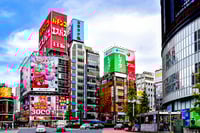
Hiroshima, a city embodying resilience and hope, offers visitors a profound encounter with its poignant history and vibrant modern life. It is widely recognized for its peace memorials and the iconic Miyajima Island, providing a blend of solemn reflection, cultural exploration, and natural beauty.
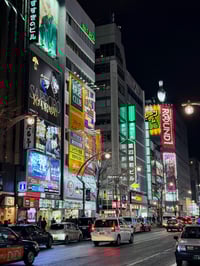
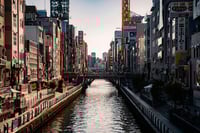
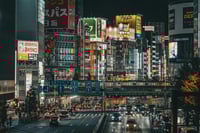
Downtown Hiroshima, particularly the Hondori area, serves as a lively hub for socializing, featuring numerous restaurants, cafes, bars, and clubs. Additionally, areas like Kakomachi offer budget-friendly accommodations, including hostels with common areas conducive to meeting other travelers.
Top 5 Things to do in Hiroshima
Hiroshima offers a blend of profound historical reflection, cultural immersion, and scenic natural beauty.
1. Hiroshima Peace Memorial Park and Museum
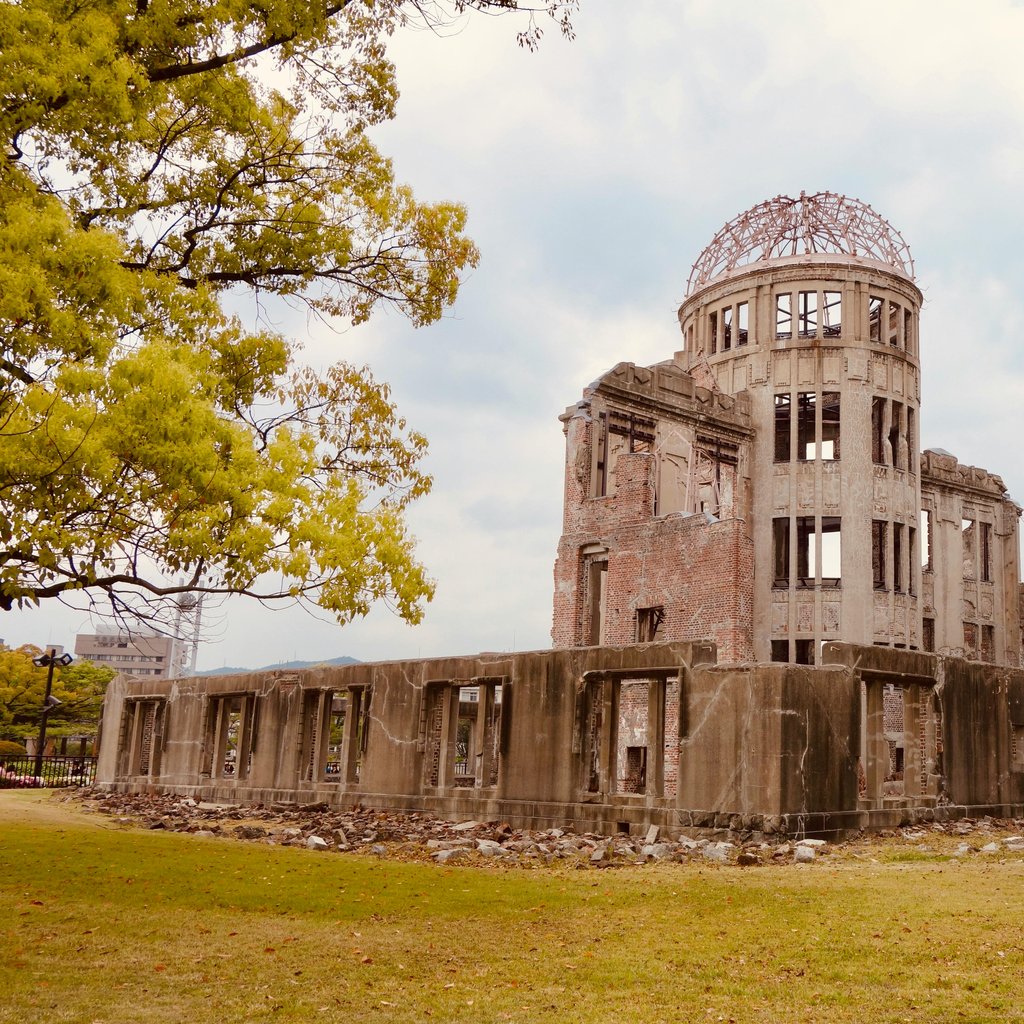
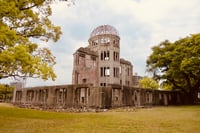
Standing in the Peace Memorial Park, one feels the solemn history of Hiroshima. The A-Bomb Dome, a UNESCO World Heritage Site, remains largely as it was after the bombing, serving as a powerful visual reminder. The Peace Memorial Museum provides a deeply moving and educational experience, detailing the events of August 6, 1945, and advocating for world peace. It is recommended to allocate several hours to fully engage with the exhibits and reflect in the park's tranquil surroundings.
Cost: Admission to the Peace Memorial Museum is 200 JPY for adults, 100 JPY for high school students, and free for younger children and seniors over 65. The Peace Memorial Park itself is free to enter.
Transport: From Hiroshima Station, one can take tram line 2 or 6 to the Genbaku-Domu Mae stop, a 15-minute ride costing 240 JPY. Alternatively, the Hiroshima Sightseeing Loop Bus (Meipuru-pu) also serves the park. Taxis from Hiroshima Station cost around 1,200 JPY and take about 10 minutes.
2. Miyajima Island (Itsukushima Shrine & Mount Misen)
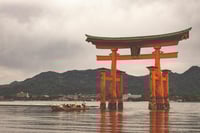
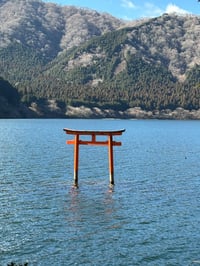
A visit to Miyajima Island reveals the iconic 'floating' Great Torii Gate of Itsukushima Shrine, a UNESCO World Heritage Site that appears to float on the water during high tide. Exploring the shrine's boardwalks and buildings offers insight into its ancient history. For panoramic views, one can ascend Mount Misen, the island's highest peak, offering stunning vistas of the Seto Inland Sea. The island is also home to wild deer that roam freely.
Cost: The JR ferry from Miyajimaguchi to Miyajima costs 180 JPY one way (covered by JR Pass). The direct Aqua Net Ferry from Hiroshima Peace Park costs 2,000 JPY one way or 3,600 JPY round trip (not covered by JR Pass). Entrance to Itsukushima Shrine costs 300 JPY (or 500 JPY including Treasure Hall). The Miyajima Ropeway for Mount Misen costs 1,100 JPY one way or 2,000 JPY round trip.
Transport: The most common way to Miyajima is by taking the JR Sanyo Line train from Hiroshima Station to Miyajimaguchi Station (approx. 25 minutes, 420 JPY, covered by JR Pass), then a 5-minute walk to the ferry terminal for a 10-minute JR ferry ride to Miyajima. A direct ferry also operates from Hiroshima Peace Memorial Park's Motoyasu Pier, taking about 45 minutes to Miyajima.
3. Hiroshima Castle
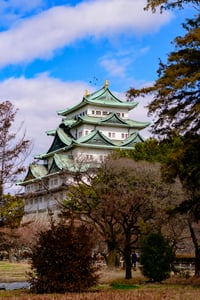
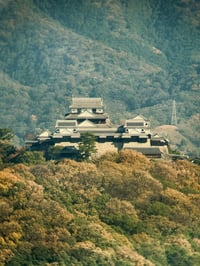
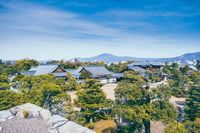
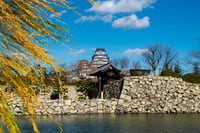
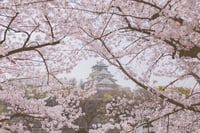
Stepping into Hiroshima Castle, one discovers a reconstructed five-story keep that houses a museum on Hiroshima's history and samurai culture. The castle grounds are surrounded by a moat and include a shrine and reconstructed buildings of the Ninomaru (second circle of defense). From the top floor, panoramic views of the city are available.
Cost: Admission to the main keep is 370 JPY. The castle grounds are free to enter.
Transport: The castle is a 10-minute walk from the Kamiyacho-nishi or Kamiyacho-higashi tram stops (12 minutes, 240 JPY from Hiroshima Station by lines 1, 2, or 6). It is also a 15-minute walk from the Peace Park or can be reached by the orange and lemon routes of the Hiroshima Sightseeing Loop Bus from Hiroshima Station (6 minutes).
4. Shukkei-en Garden
Wandering through Shukkei-en Garden is a serene experience, offering miniature representations of valleys, mountains, and forests. This traditional Japanese landscape garden, with a history dating back to 1620, features a path winding around a central pond and several tea houses providing scenic views. It is a peaceful oasis in the city center, perfect for a tranquil stroll.
Cost: Admission is 260 JPY for adults.
Transport: Shukkei-en is a 15-minute walk from Hiroshima Station. One can also take the Hiroshima Sightseeing Loop Bus, which takes about four minutes from Hiroshima Station. Alternatively, tram line 9 from Hacchobori (transfer from lines 1, 2, or 6 from Hiroshima Station) takes about 15 minutes and costs 240 JPY.
5. Okonomimura
Diving into the local culinary scene at Okonomimura offers a unique and flavorful experience. This multi-story building houses numerous restaurants, each specializing in Hiroshima-style okonomiyaki. Watching the chefs prepare this savory pancake, layered with ingredients like cabbage, noodles, meat, and a signature sauce, is part of the fun. It is an excellent way to savor a distinct local dish.
Cost: There is no entry fee for Okonomimura; visitors only pay for the food ordered. Prices for okonomiyaki vary by restaurant and ingredients.
Transport: Okonomimura is located in central Hiroshima and is a short walk from the Hiroshima Shiyakusho-mae tram stop. It can also be reached from Hondori Station.
At TFA Travel we believe in travel for all. Our mission is to enable people to explore the world as easily as possible without having to pay a travel agent a huge commission.
Our typical audience are those that want to see something new and get involved with authentic experiences of a country. Whether you are a backpacker, solo traveller, solo female traveller, straight or LGBTQ+ couple, family, you will find local and authentic experiences here.