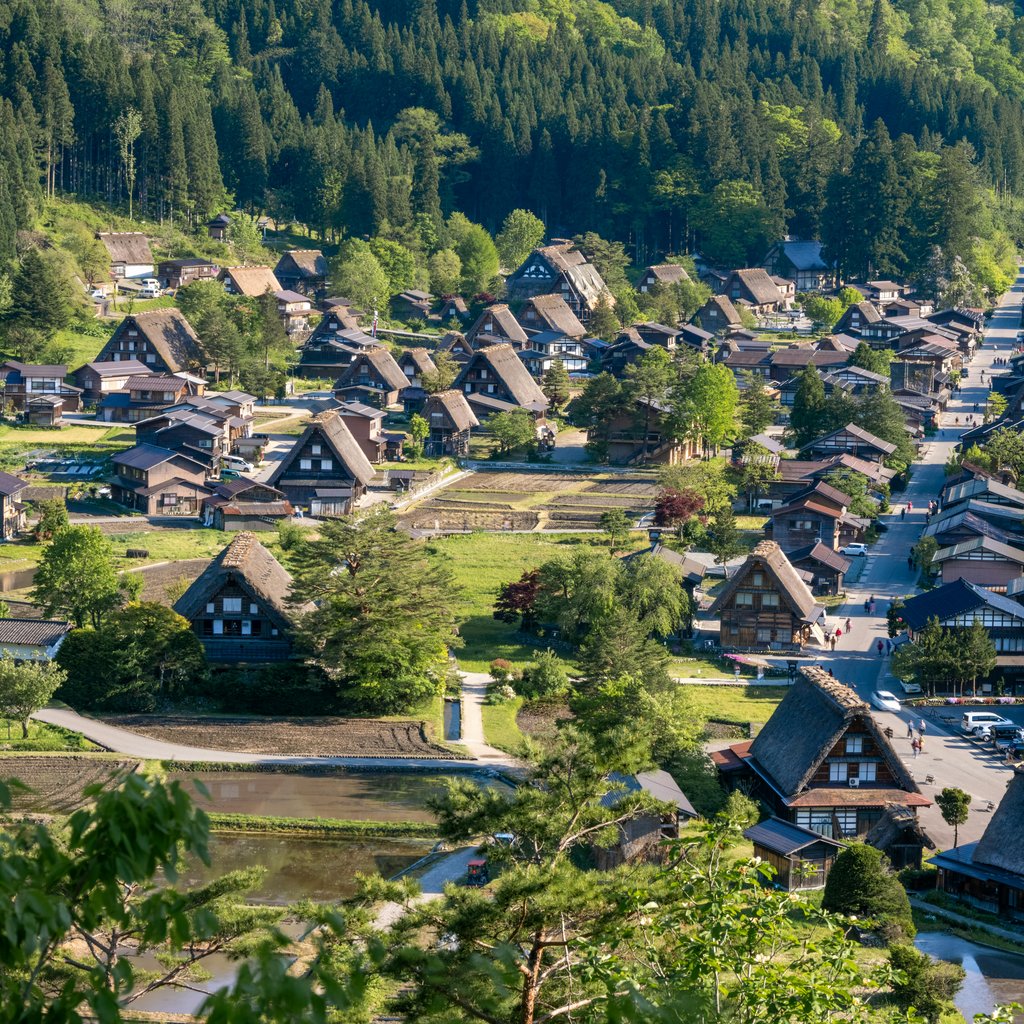
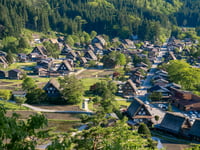
Shirakawa-go, a UNESCO World Heritage site nestled in the Japanese Alps, is renowned for its unique gassho-zukuri farmhouses, characterized by their steep, thatched roofs designed to withstand heavy snowfall. It offers a living glimpse into traditional Japanese village life and culture.
Opportunities to socialise with other tourists or backpackers are generally informal, as the village itself does not feature dedicated districts for this purpose. Staying overnight in a traditional gassho-zukuri farmhouse, known as a minshuku, can offer a chance to engage with local families and experience their way of life, providing a more intimate cultural exchange than typical tourist social venues. The village can experience significant crowding, particularly at popular viewpoints and during peak seasons.
Top 5 Things to do in Shirakawa-go
Visitors can immerse themselves in the unique architectural style of gassho-zukuri farmhouses, explore open-air museums, and enjoy panoramic views of the village.
1. Wada House
As Shirakawa-go's largest gassho-zukuri style house, and a nationally designated important cultural property, the Wada House offers a direct look into the lives of a historically prominent family. Visitors can explore the first and second floors, observing traditional farming tools and silk farming equipment, gaining insight into past village life. A particular highlight is the view from the second floor, offering a unique perspective of the surrounding rural landscape. It is customary to remove shoes when entering.
Cost: Adults: 400 JPY (junior high school students and above); Children: 200 JPY (primary school students). Payment is typically by cash.
Transport: The Wada House is conveniently located, approximately a 3-minute walk from the Shirakawago Bus Terminal.
2. Gasshozukuri Minkaen Outdoor Museum
This open-air museum provides a comprehensive overview of the gassho-zukuri architectural style, featuring 25 relocated and preserved farmhouses, nine of which are important cultural properties. Visitors can wander through the collection of traditional buildings, examining their unique construction and learning about the ingenuity of the villagers who adapted to harsh natural conditions, including heavy snowfall. Exhibits inside detail the daily life and tools used by residents throughout history.
Cost: Adults: 600 JPY; Children: 400 JPY (elementary to senior high school age). Pre-school children are free.
Transport: The museum is accessible from the main village area by a short walk across the Deai Bridge from the Seseragi Park Parking Lot, near the bus terminal.
3. Shiroyama Viewpoint (Ogimachi Castle Old Site Observation Deck)
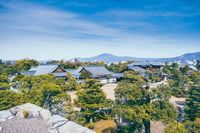
Offering a quintessential panoramic view of the entire Ogimachi village, this observation deck is a highlight for many visitors. From this elevated position, the distinctive steep thatched roofs of the gassho-zukuri houses can be fully appreciated against the backdrop of the surrounding mountains and rice fields. The site was once the location of Ogimachi Castle, providing a historical context to the scenic vista.
Cost: Access to the viewpoint is free.
Transport: The viewpoint can be reached by a 15-minute uphill walk from the village. Alternatively, a shuttle bus operates from near the Wada House, running every 20 minutes between 10:00 and 14:40, costing 200 JPY one way (cash only).
4. Myozenji Temple Museum
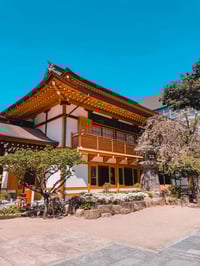
The Myozenji complex is unique as one of the few gassho-zukuri style temples in the area, featuring a thatched main hall, priest's living quarters (now a museum), and a bell tower. The museum within the priest's former residence showcases traditional tools and artifacts, offering insights into the daily lives of past villagers. The structure also includes an irori (traditional Japanese hearth), providing a glimpse into the domestic and spiritual life of the community.
Cost: Adults: 300 JPY; Children: 100 JPY. Cash and WAON (e-money) are accepted.
Transport: The Myozenji Temple Museum is approximately a 10-minute walk from the Shirakawago Bus Terminal.
5. Explore the Village Streets and Shirakawa Kaido
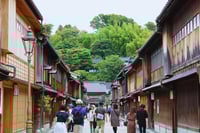
Wandering through the charming streets of Ogimachi village allows visitors to experience the serene atmosphere and admire the unique gassho-zukuri farmhouses, many of which are still private residences. The main thoroughfare, Shirakawa Kaido, is lined with small boutiques and eateries where one can sample local delicacies such as Hida-gyu (beef) skewers and gohei mochi (grilled rice cakes). This leisurely exploration is central to appreciating the village's preserved cultural landscape.
Cost: Walking around the village is free of charge. Costs for food and souvenirs vary.
Transport: The village is compact and designed for pedestrian exploration; all sightseeing spots are within walking distance.
At TFA Travel we believe in travel for all. Our mission is to enable people to explore the world as easily as possible without having to pay a travel agent a huge commission.
Our typical audience are those that want to see something new and get involved with authentic experiences of a country. Whether you are a backpacker, solo traveller, solo female traveller, straight or LGBTQ+ couple, family, you will find local and authentic experiences here.