Nagoya

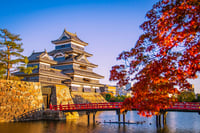
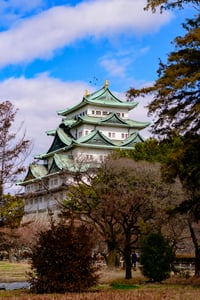
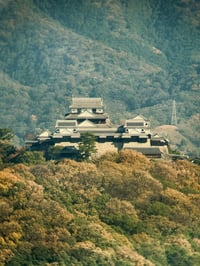
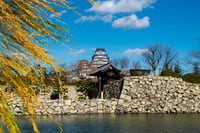
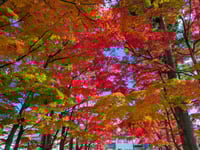
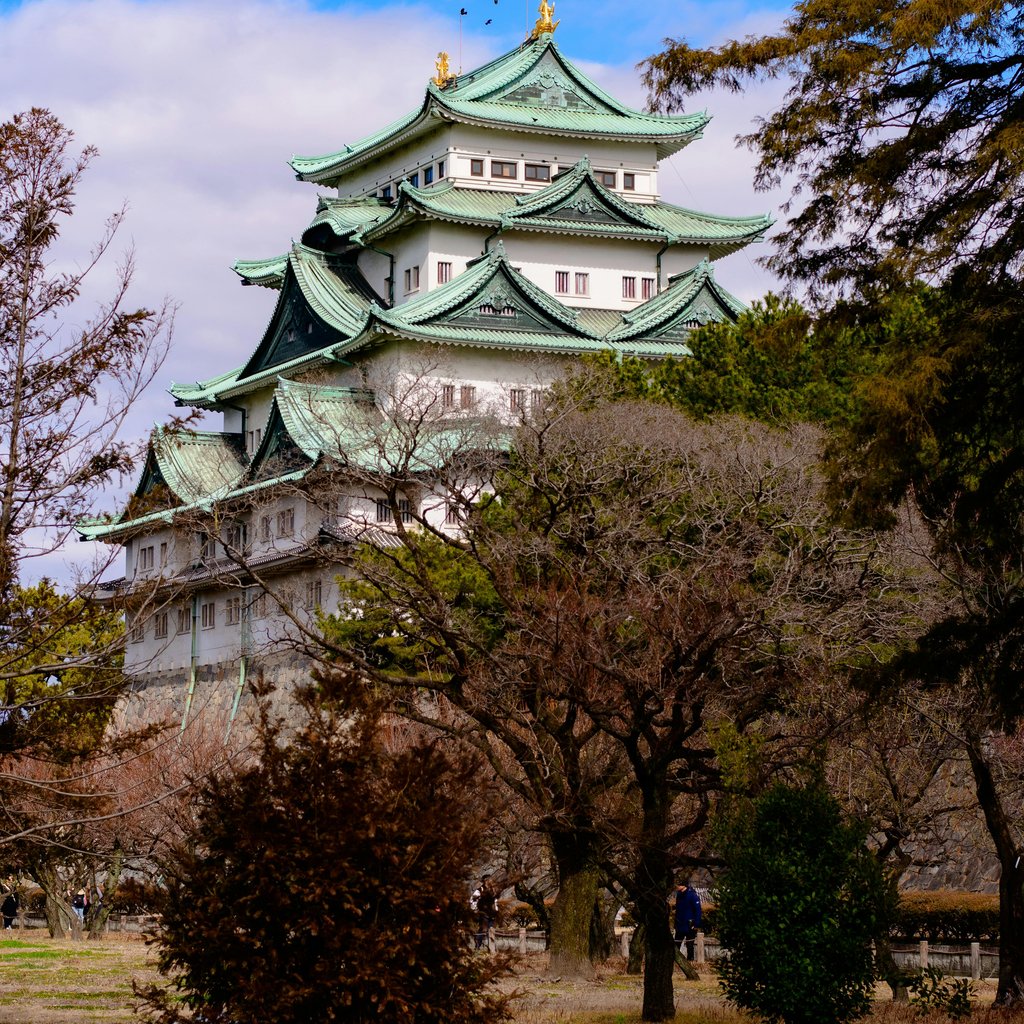
Beautiful capture of Nagoya Castle surrounded by trees under a blue sky.
Hoi Wai, Pexels

Nagoya offers a captivating blend of historical depth and modern innovation, functioning as a significant industrial hub. It provides an appealing alternative to more crowded Japanese cities, allowing for a relaxed exploration of its unique culture and renowned food scene.

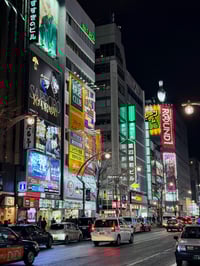
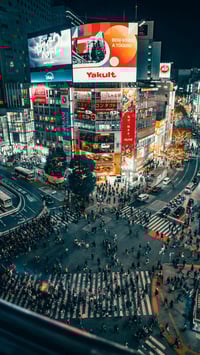
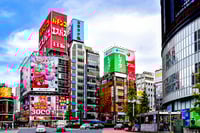
The Sakae district stands out as the vibrant downtown hub, brimming with restaurants, bars, and shopping areas where locals and visitors gather. Fushimi also comes alive at night, offering numerous bars and nightclubs. For those seeking a social atmosphere, hostels near Nagoya Station often have on-site bars and communal areas, fostering interaction among travelers.

Top 6 Things to do in Nagoya

Activities in Nagoya encompass exploring significant historical sites, engaging with the city's industrial heritage, immersing in a bustling shopping and cultural district, and savoring local culinary delights.

1. Nagoya Castle

Visitors can explore Nagoya Castle, a reconstructed landmark that embodies the city's samurai history. While the main tower's interior is currently closed for reconstruction, the magnificent Hommaru Palace, meticulously restored with stunning golden screen paintings and hinoki cypress wood, is open for viewing. The surrounding gardens offer picturesque strolls, changing with the seasons. Enthusiasts of Japanese history will appreciate the depth of craftsmanship and the stories held within its walls. It is advisable to allow at least half a day to fully appreciate the castle grounds and palace.

Cost: Admission is 500 yen for adults; junior high school students and younger enter free. A Me~guru Sightseeing Route Bus 1-Day ticket, costing 500 yen, offers a 100 yen discount on the castle admission fee, making the effective cost 400 yen if used for other attractions as well.

Transport: From Nagoya Station, the most convenient way is to take the Nagoya Municipal Subway Meijo Line to Nagoyajo Station (approximately 6 minutes, 240 yen), followed by a 5-minute walk to the castle gates. Alternatively, the Me~guru Sightseeing Route Bus departs from Nagoya Station Bus Terminal (Platform 11) directly to Nagoya Castle Main Gate, taking about 15-23 minutes and costing 210 yen for a one-way trip.


2. Atsuta Jingu Shrine

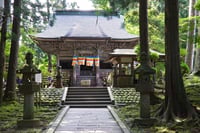
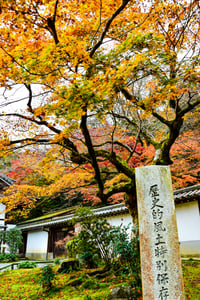
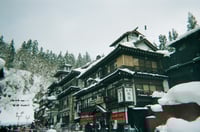
Atsuta Jingu is one of Japan's most important Shinto shrines, inviting visitors into a serene and spiritual setting within its expansive wooded grounds. The shrine complex, which dates back 2000 years, houses the sacred sword Kusanagi, though it is not publicly displayed. The Treasure Hall, or Kusanagi-kan, showcases a collection of historical swords and offers a hands-on experience with sample swords. Trying the local kishimen noodles at the shrine's restaurant provides a pleasant culinary stop.
Cost: Entry to the shrine grounds is free. Admission to the Kusanagi-kan (Treasure Hall) is 500 yen.
Transport: From Nagoya Station, take the Meitetsu Nagoya Line to Jingumae Station (about 5 minutes, 250 yen), then it is a 3-minute walk to the shrine. Alternatively, take the JR Tokaido Line to Atsuta Station (about 6 minutes, 200 yen), followed by a 10-minute walk. The subway Meijo Line to Atsuta Jingu Nishi Station is also an option, with a 7-minute walk to the shrine.

3. Osu Shopping Street and Osu Kannon Temple

The Osu district offers a dynamic blend of traditional Japanese culture and modern pop culture. The Osu Kannon Temple, a significant Buddhist temple, provides a peaceful retreat from the bustling streets. Directly adjacent, the Osu Shopping Street is a network of covered arcades with over 1,200 shops. Visitors can explore a wide array of stores selling electronics, vintage clothing, anime merchandise, and unique souvenirs. The area is also known for its diverse street food, providing an excellent opportunity to sample local snacks and engage with the lively atmosphere.

Cost: Osu Kannon Temple admission is free. Shopping and food costs vary by personal spending.

Transport: From Nagoya Station, take the Higashiyama Line to Fushimi Station, then transfer to the Tsurumai Line to Osu Kannon Station. The total journey is approximately 10-15 minutes and costs around 210 yen. Alternatively, from Sakae, it is about a 20-minute walk, or a 3-minute subway ride (210 yen) on the Meijo Line from Sakae Station to Kamimaezu Station, followed by a 7-10 minute walk through the shopping district.

4. Toyota Commemorative Museum of Industry and Technology

This museum, established by the Toyota Group, offers a fascinating journey through the history of textile machinery and automobile manufacturing. Housed in original factory buildings, it features dynamic displays and live demonstrations by operators, making complex industrial processes accessible and engaging. It appeals not only to car enthusiasts but also to those interested in technological innovation and industrial history. Ample time should be allocated to explore both the Textile Machinery Pavilion and the Automobile Pavilion.

Cost: Admission is 1,000 yen for adults, 600 yen for seniors (65+), 500 yen for university students, 300 yen for junior/senior high school students, and 200 yen for elementary school students. A 1-Day Me~guru Bus Pass offers discounts.

Transport: From Nagoya Station, visitors can take the Meitetsu Nagoya Main Line to Sako Station (3 minutes walk from the museum). Another option is the Higashiyama Subway Line to Kamejima Station, followed by a 10-minute walk from Exit 2. The Nagoya Sightseeing Route Bus Me~guru also has a direct stop at the museum.

5. SCMAGLEV and Railway Park

Operated by Central Japan Railways, this museum provides an immersive experience into the evolution of high-speed rail in Japan. It showcases actual train cars, including historic steam locomotives, world-record-setting experimental shinkansen, and the latest magnetic levitating (maglev) trains. Interactive exhibits and train simulators (for an additional fee) allow visitors to engage directly with railway technology. It is a compelling destination for train enthusiasts and families alike, offering insights into Japan's advanced transportation systems.

Cost: Admission is 1,200 yen for adults, 500 yen for elementary/junior/high school students, and 200 yen for children aged 3-6. Train simulators incur an additional fee of 100 or 500 yen.

Transport: From Nagoya Station, take the Aonami Line to its terminal station, Kinjofuto Station (approximately 24-25 minutes, 360 yen). The museum is a short 2-minute walk from Kinjofuto Station.

6. Nagoya Food Tour

Discover Nagoya's unique culinary identity through a guided food tour. Unlike more commonly known Japanese dishes, Nagoya boasts its own distinct specialties, often referred to as 'Nagoya meshi.' A food tour offers the opportunity to sample iconic local dishes such as Hitsumabushi (grilled eel over rice), Miso Nikomi Udon (udon noodles in a rich miso broth), and Tebasaki (Nagoya-style chicken wings). These tours often visit local eateries and hidden gems, providing insights into the city's food culture and history from a local perspective.

Cost: Prices for private food tours can range from approximately 16,000 to 38,000 yen per person, depending on group size and inclusions. Some tours may have a fixed price per group (e.g., JPY 38,000 for up to six guests for a 3-hour evening tour). Meals and drinks are often excluded from the base tour price.

Transport: Meeting points for food tours are typically centrally located, such as Oasis 21 or Sakae Station, which are easily accessible by subway or within walking distance of major Nagoya hotels.

Discover destinations in Japan