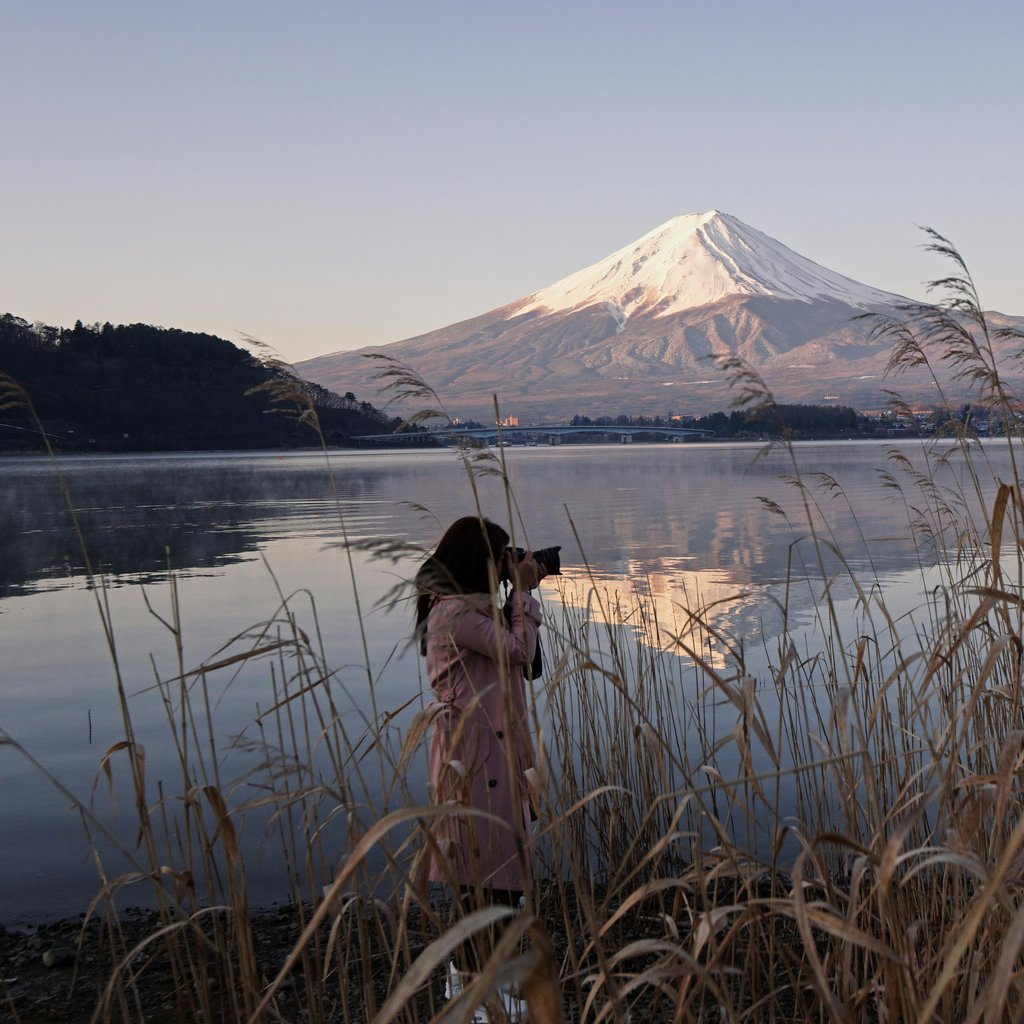
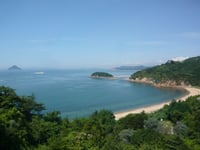
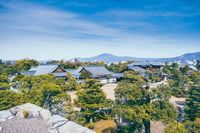
The Fuji Five Lakes region, nestled at the northern base of Mount Fuji, offers captivating views of Japan's iconic peak, often reflected in its clear waters. This destination provides a diverse range of year-round outdoor activities, including various water sports and extensive hiking opportunities, alongside options for relaxation in natural hot springs.
Lake Kawaguchiko emerges as the most developed area among the Fuji Five Lakes, presenting a more lively environment with a selection of restaurants, cafes, and souvenir shops. For travelers seeking to connect with others, backpacker hostels in the Kawaguchiko area typically provide communal lounges and shared kitchens, encouraging social interaction. Conversely, other lakes, such as Lake Shoji, offer a more serene atmosphere for those preferring tranquility away from busier areas.
Top 6 Things to do in Fuji Five Lakes
The Fuji Five Lakes area offers a range of engaging experiences, from capturing iconic views of Mount Fuji to exploring historical villages, enjoying thrilling amusement rides, embarking on challenging hikes, and indulging in relaxing hot spring baths.
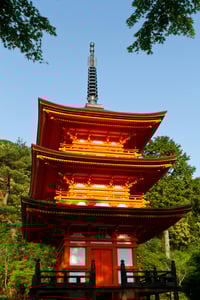
1. Visit Chureito Pagoda for Iconic Views
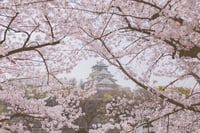
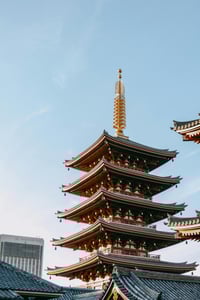
One can ascend the 398 steps to reach Chureito Pagoda, a five-storied pagoda that frames a breathtaking, iconic view of Mount Fuji, especially striking during cherry blossom season in spring. The Arakurayama Sengen Park, where the pagoda is located, also offers a peaceful setting for reflection. While the climb can be steep, a sloping path is available for those preferring an alternative route.
Cost: Admission to Chureito Pagoda and Arakurayama Sengen Park is free. During the annual cherry blossom festival in early April, a parking fee of ¥1,000 may apply.
Transport: From Kawaguchiko Station, take the Fujikyu Railway Line to Shimoyoshida Station (approx. 20-30 minutes). From there, the pagoda is a 20- to 30-minute walk. Alternatively, a direct highway bus from Tokyo to Chudo Shimoyoshida Bus Stop takes around 90 minutes.
2. Explore Lake Kawaguchiko and Ride the Panoramic Ropeway
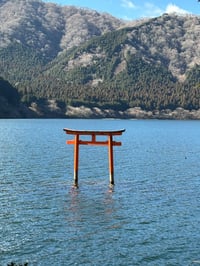
The shores of Lake Kawaguchiko provide numerous vantage points for appreciating Mount Fuji's reflection on its waters. Taking the Mount Fuji Panoramic Ropeway to the top of Mt. Tenjo offers sweeping panoramic views of both Lake Kawaguchiko and Mount Fuji. Additionally, Oishi Park on the northern shore of the lake is renowned for its seasonal flower displays, such as lavender in early summer or kochia in autumn, with Mount Fuji as a spectacular backdrop. Boat rides on the lake also offer different perspectives of the scenery.
Cost: A 20-minute pleasure boat ride on Lake Kawaguchiko costs around ¥930. The Mount Fuji Panoramic Ropeway typically costs around ¥900-¥1,000 for a round trip. Costs for other activities, such as renting a bicycle, vary.
Transport: The ropeway is a 15-minute walk from Kawaguchiko Station. Local buses operate around the lake, connecting various attractions like Oishi Park.
3. Wander through Oshino Hakkai
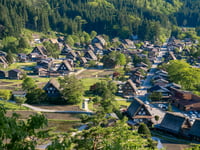
Discover the tranquil, traditional village of Oshino Hakkai, known for its eight clear spring-fed ponds. These ponds, a result of Mount Fuji's past eruptions, are considered sacred. Visitors can stroll along pathways and bridges, admire the traditional thatched-roof houses and watermills, and enjoy clear views of Mount Fuji. A small open-air museum, Hannoki Bayashi Shiryokan, offers insights into local farming tools and samurai weapons.
Cost: Entrance to the Oshino Hakkai village and most ponds is free. A small admission fee of ¥300 is charged for the Hannoki Bayashi Shiryokan museum, which includes access to Sokonashi-ike pond.
Transport: From Kawaguchiko Station, take a local bus (such as the Mount Fuji World Heritage Loop bus or a bus towards Gotemba Station) and alight at the 'Oshino Hakkai' bus stop. The bus journey takes approximately 20-30 minutes.
4. Climb Mount Fuji (Seasonal)
For those seeking an adventurous challenge, climbing Mount Fuji during the official season (early July to early September) is a rewarding experience. There are four main trails of varying difficulty, including the popular Yoshida Trail, which is suitable for beginners. Reaching the summit, especially for sunrise, offers unparalleled views and a profound sense of accomplishment. Reservations for mountain huts are recommended for overnight climbs.
Cost: A mandatory admission fee of ¥4,000 per person is required for all climbing trails during the 2025 season. A voluntary contribution of ¥1,000 for mountain preservation is also suggested. Additionally, expect costs for mountain hut accommodation (¥5,000-¥9,000 per night) and public toilets (¥200-¥300 per use).
Transport: During the climbing season, buses run from Kawaguchiko Station directly to the Fuji Subaru Line 5th Station (Yoshida Trailhead), taking approximately 50 minutes and costing around ¥2,800 for a round trip.
5. Experience Thrills at Fuji-Q Highland
Fuji-Q Highland is an amusement park known for its record-breaking rollercoasters and diverse attractions, including anime-themed areas and family-friendly rides. The park's unique location at the base of Mount Fuji provides a stunning natural backdrop for its thrilling experiences. It is an ideal destination for those looking for adrenaline-pumping entertainment.
Cost: Admission to the park is free, with individual rides costing ¥400-¥2,000. A 1-day pass for unlimited rides ranges from ¥6,000-¥7,800, with discounted afternoon passes also available.
Transport: Fuji-Q Highland is conveniently located next to Fujikyu Highland Station on the Fujikyu Railway Line. It is a short 2-minute train ride (¥180) from Kawaguchiko Station. Direct highway buses from major cities like Tokyo also stop at the park.
6. Relax in an Onsen (Hot Spring)
The Fuji Five Lakes region, particularly around Lake Kawaguchiko, offers numerous natural hot spring facilities (onsen). These provide a perfect opportunity to relax and rejuvenate, with many establishments featuring outdoor baths that offer direct, serene views of Mount Fuji. Various options are available, from public bathhouses to luxurious private resort spas.
Cost: Costs vary significantly depending on the type of facility and services. Public onsen typically have a general entrance fee, while private onsen rooms or stays at ryokans with in-room hot springs will be considerably more expensive. For day-use facilities like Fuji Yurari Onsen, costs are generally reasonable.
Transport: Many onsen are situated within close proximity to Lake Kawaguchiko and are accessible via local bus routes or complimentary shuttle services from Kawaguchiko Station.
At TFA Travel we believe in travel for all. Our mission is to enable people to explore the world as easily as possible without having to pay a travel agent a huge commission.
Our typical audience are those that want to see something new and get involved with authentic experiences of a country. Whether you are a backpacker, solo traveller, solo female traveller, straight or LGBTQ+ couple, family, you will find local and authentic experiences here.