1. Explore the Terracotta Warriors
Stepping into the Museum of Qin Terracotta Warriors and Horses, the sheer scale of the army is immediately awe-inspiring. Thousands of life-sized clay soldiers, horses, and chariots, each with unique features, stand guard, offering a profound glimpse into Emperor Qin Shi Huang's quest for immortality. It is truly one of the world's greatest archaeological discoveries. Allow ample time to explore all three pits, particularly Pit 1, which houses the main army formation. Consider hiring a local guide to bring the history to life with detailed stories and insights.
Cost: Entrance fee for the Terracotta Warriors is generally around CNY 120-150. Self-serving is possible, but guided tours range from $60-$100+ USD, often including transport and other attractions.
Transport: The Terracotta Warriors are located approximately 41-62 km (25.5-38 mi) from downtown Xi'an. You can reach them by:
* **Direct Tourist Bus:** Bus 306 (also referred to as Line 5) departs from Xi'an Railway Station. The journey takes about 1 to 1.5 hours and costs around CNY 7.
* **Metro and Shuttle Bus:** Take Metro Line 2 to Bell Tower Station, transfer to Line 1 at Beidajie Station, then take Line 9 to Huaqing Pool Station. From there, take Lintong Bus 602. Alternatively, from Fangzhicheng Metro Station (Line 1), take Tourist Bus No. 5 (306). This option takes about 1.5 to 2 hours, with metro fare around $1-2 USD and bus fare around $2-3 USD.
* **Taxi:** A taxi ride takes approximately 45 minutes to 1 hour, depending on traffic, and costs around $25-35 USD (approximately CNY 170-250).
2. Cycle or Walk the Xi'an City Wall
Riding a bicycle along the ancient Xi'an City Wall offers a unique perspective of the city, separating its historic inner core from the modern sprawl. As China's largest and best-preserved ancient city wall, it spans 13.74 km, providing continuous panoramic views. I found cycling the entire perimeter (which takes about 2-3 hours) to be an invigorating way to experience this impressive Ming Dynasty structure. The South Gate is typically the main entry and exit point.
Cost: The City Wall entrance fee is typically around CNY 54. Bicycle rental on the wall costs approximately CNY 45 for a single bike for 2 hours, or CNY 90 for a tandem bike for 2 hours, with a deposit required. Overtime fees apply.
Transport: The Xi'an City Wall is centrally located, with gates like the South Gate (Yongning Gate) easily accessible by walking, taxi, or public buses within the city center. Many tourist routes often start from the South Gate.
3. Immerse in the Muslim Quarter's Culinary and Cultural Scene
The Muslim Quarter is a vibrant fusion of Chinese and Islamic cultures, particularly known for its street food. Wandering through its narrow alleys, the aromas of spices fill the air as vendors prepare traditional halal snacks and dishes like Yangrou Paomo (mutton soup with bread), Roujiamo (Chinese hamburger), and various lamb skewers. It’s an ideal place to sample local delicacies and observe the bustling daily life of the Hui Muslim community. I found the atmosphere particularly lively in the evenings. Remember to bring cash, as many smaller vendors prefer it.
Cost: Entrance is free. Food and souvenirs vary in price, but street food is generally affordable (CNY 10-20 per item). Bargaining is common for souvenirs.
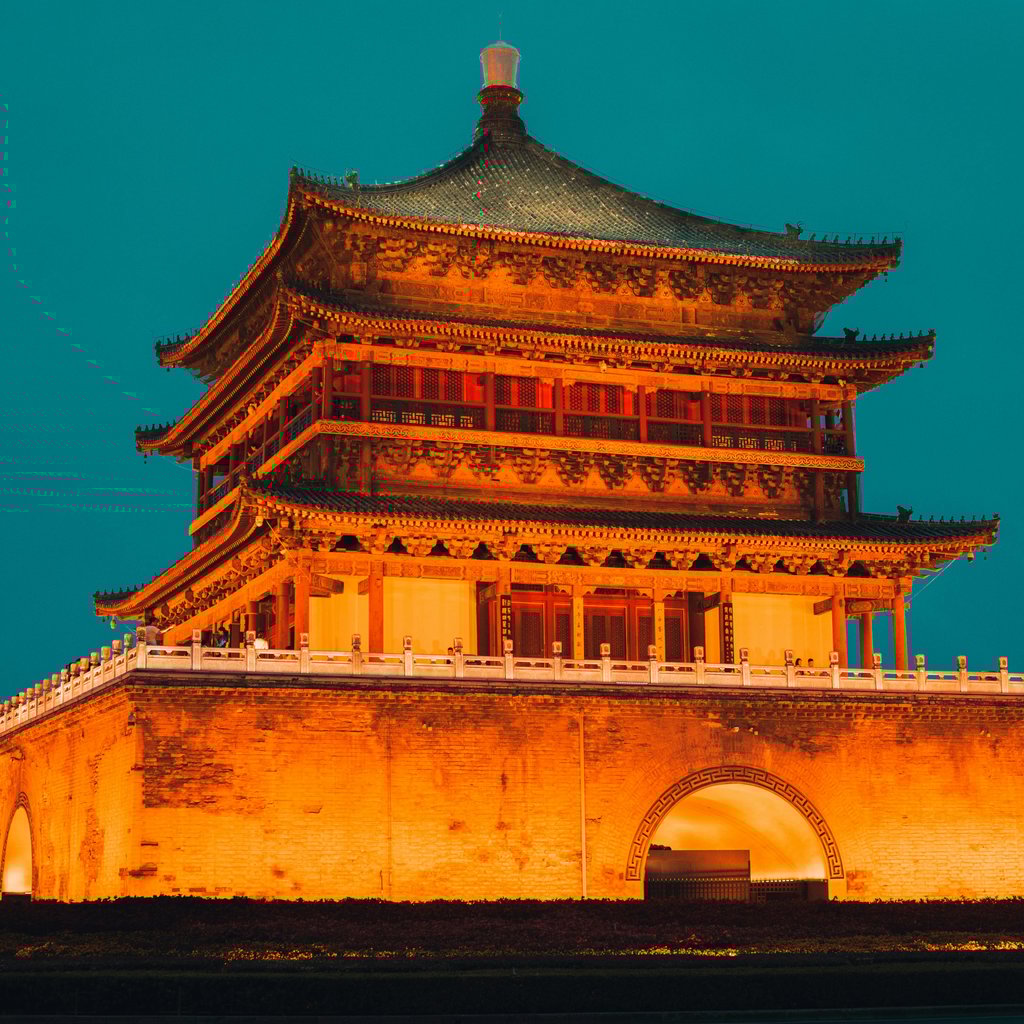
Transport: The Muslim Quarter is centrally located, just behind the Drum Tower in downtown Xi'an, making it easily accessible on foot from the Bell and Drum Tower area.
4. Discover History at Shaanxi History Museum
Visiting the Shaanxi History Museum provides a comprehensive journey through China's vast history, especially focusing on the region's significance as a cradle of ancient Chinese civilization. The museum houses an extensive collection of artifacts, including bronze wares, pottery figurines, and Tang Dynasty murals. It’s a well-organized museum that offers a miniature overview of thousands of years of history, making it highly informative for understanding the cultural evolution of China. I recommend allocating a significant portion of a day for a thorough visit.
Cost: General admission is free, but a reservation is required. Tickets are released five to seven days in advance and can be challenging to book due to high demand, especially for international visitors without WeChat. Consider booking through a third-party agency if self-booking proves difficult. There is an additional charge (around CNY 270) for the Tang Dynasty Wall Painting Treasures Gallery.
Transport: The museum is located at No. 91, East Xiaozhai Road, near the Big Wild Goose Pagoda. It is accessible by local buses and taxi from various parts of the city.
5. Experience the Big Wild Goose Pagoda and Datang Everbright City
Standing before the Big Wild Goose Pagoda, one immediately senses its historical significance. This impressive Tang Dynasty Buddhist pagoda, built in 652, houses important Buddhist scriptures. While climbing the pagoda offers panoramic city views, the area truly comes alive in the evening. The adjacent Datang Everbright City transforms into a vibrant pedestrian street with stunning light displays, cultural performances, and a grand musical fountain show. It's an excellent way to experience the grandeur of the Tang Dynasty era.
Cost: There is an entrance fee to the Big Wild Goose Pagoda (typically around CNY 50), with an additional fee to ascend the pagoda. Datang Everbright City is generally free to enter, though individual shows or activities may have costs.
Transport: Both attractions are located in the southern part of Xi'an. They are easily reached by metro (Xiaozhai station is nearby for the pagoda) or by various bus lines and taxis from the city center. The Big Wild Goose Pagoda is a landmark, making it easy to navigate to.