Beijing

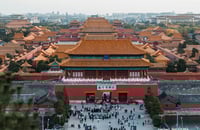
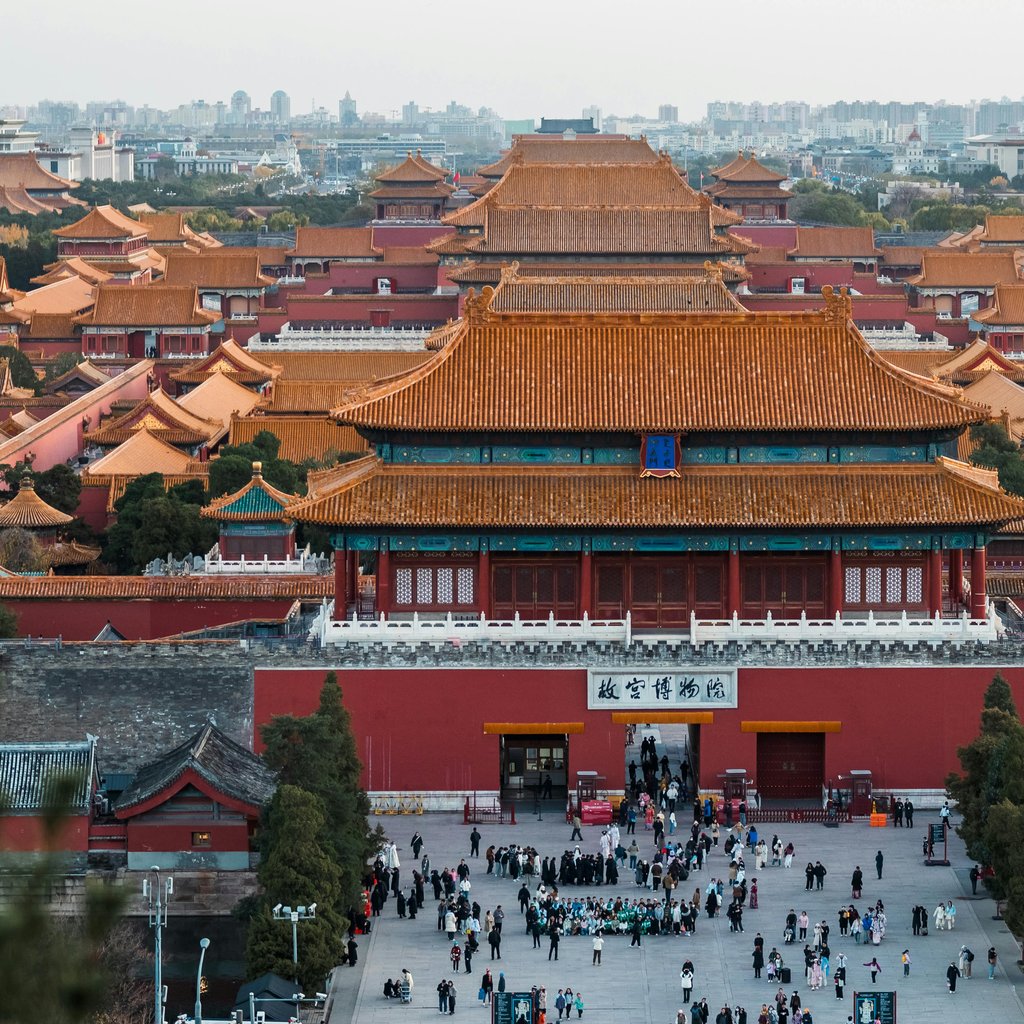
A stunning aerial view of the historic Forbidden City in Beijing, China, showcasing its traditional architecture.
小和尚 温柔的, Pexels

Beijing presents an immersive journey through thousands of years of history, showcasing a unique blend of ancient imperial grandeur and vibrant modern city life. It stands as a premier global destination, drawing visitors with iconic UNESCO World Heritage Sites and dynamic contemporary attractions.

For those seeking to connect with fellow travelers, districts like Dongcheng, particularly around its Hutong areas and Shichahai, offer a relaxed environment with hostels, providing opportunities to experience local culture and socialize. Sanlitun is a notable hub for nightlife, appealing to younger visitors with its numerous bars and restaurants and a more Westernized atmosphere, making it easy to meet others. Wangfujing also provides a lively urban setting, especially at its night market, fostering interaction among locals and tourists.

Top 7 Things to do in Beijing

Visitors to Beijing can explore its rich imperial history, immerse themselves in traditional local life, and experience its dynamic contemporary art scene.

1. The Forbidden City and Tiananmen Square

Stepping into the Forbidden City, one is transported to China's imperial past. This expansive palace complex, once home to emperors of the Ming and Qing dynasties, is the world's largest, showcasing magnificent ancient Chinese architecture and design. Adjacent to it lies Tiananmen Square, one of the world's largest public squares, offering a profound sense of China's modern history and political significance. It is recommended to book tickets in advance, as walk-up tickets are no longer available and daily entry is limited to protect the site. Visitors typically spend several hours exploring both areas.

Cost: Forbidden City admission: 60 RMB (approximately $8.50 USD) during peak season (April-October) and 40 RMB (approximately $5.50 USD) during off-peak season (November-March). Additional halls like the Treasure Gallery and Clock Museum cost 10 RMB (approximately $1.50 USD) each. Tiananmen Square entry is free.

Transport: The Forbidden City is accessible via Metro Line 1 to Tiananmen West or Tiananmen East stations. It is also served by numerous bus routes to Tiananmen East or Tiananmen West stops. Visitors must enter from the south and exit to the north.
2. The Great Wall of China (Mutianyu Section)

Hiking a section of the Great Wall is an iconic Beijing experience. The Mutianyu section is often recommended for its well-preserved state, lush surroundings, and amenities like cable cars and a toboggan ride, making it suitable for various fitness levels and families. This section offers breathtaking views of the wall snaking across the mountain ridges, providing a memorable encounter with this ancient wonder. Visiting earlier in the morning or later in the afternoon on weekdays can help avoid larger crowds.

Cost: Mutianyu Great Wall admission is approximately 60 RMB (around $8 USD). Cable car or chairlift/toboggan costs are extra, typically around 100 RMB one-way or 140 RMB return (approximately $14-20 USD).

Transport: To reach Mutianyu by public transport, take bus 916 Express from Dongzhimen Bus Station in Beijing. A single ticket costs about 15 RMB (approximately $2 USD). The journey takes about 1.5 to 2 hours. From the Mutianyu Great Wall Bus Station, it's a short walk to the entrance. Taxis from Beijing can cost between 210-260 RMB (approximately $30-36 USD) for a one-way trip, but often a round-trip arrangement or tour is more convenient due to its distance from the city center.

3. Temple of Heaven

The Temple of Heaven is a magnificent complex where emperors once performed solemn rituals to pray for good harvests. This UNESCO World Heritage site is a masterpiece of Ming and Qing dynasty architecture, notable for its unique design and symbolic elements. Beyond its historical significance, the surrounding park is a vibrant hub where locals gather for morning exercises, Tai Chi, and other leisure activities, offering a glimpse into daily Beijing life. Allow a few hours to wander through the serene landscapes and admire the intricate structures.

Cost: An entrance ticket to the park is 15 RMB (approximately $2 USD) during peak season (April-November) and 10 RMB (approximately $1.50 USD) during off-peak season (December-March). A combined ticket, which includes access to the main historical buildings like the Hall of Prayer for Good Harvests, the Imperial Vault of Heaven, and the Circular Mound Altar, costs 34 RMB (approximately $5 USD) during peak season and 28 RMB (approximately $4 USD) during off-peak season.

Transport: The Temple of Heaven is easily accessible via Metro Line 5 to Tiantandongmen Station (Exit A) or Metro Line 8 to Tianqiao Station (Exit C).

4. Summer Palace

As the former imperial summer retreat, the Summer Palace offers a picturesque escape with its beautiful lakes, gardens, and traditional architecture. Strolling along the Long Corridor, taking a boat ride on Kunming Lake, or simply enjoying the tranquility of the meticulously designed landscapes provides a relaxing contrast to the bustling city. The Tower of Buddhist Incense offers panoramic views of the entire palace grounds and the surrounding area.

Cost: An admission ticket costs 30 RMB (approximately $4 USD) during peak season (April-October) and 20 RMB (approximately $3 USD) during off-peak season (November-March). A 'through ticket' which includes additional attractions like the Tower of Buddhist Incense and Suzhou Street, costs 60 RMB (approximately $8.50 USD) during peak season and 50 RMB (approximately $7 USD) during off-peak season.

Transport: The Summer Palace is well-connected by public transport. Take Metro Line 4 to Beigongmen Station (Exit D) for the nearest subway access.

5. Explore Beijing's Hutongs

The Hutongs are the traditional alleyways and courtyards that represent the historic residential areas of Beijing. Exploring them offers an authentic glimpse into Old Beijing life, with grey-brick homes, local eateries, and a slower pace. Visitors can wander on foot, rent bicycles, or take a rickshaw tour, which often includes visits to a local family's home or a traditional courtyard. It is a chance to observe daily life, discover hidden temples, and appreciate the city's living traditions.

Cost: Exploring Hutongs by walking or cycling is generally free, with bike rentals costing a small fee. Rickshaw tours typically range from 100 to 200 RMB (approximately $14-28 USD) depending on the duration and inclusions, such as a local family visit or meal.

Transport: Many Hutong areas, such as those around Shichahai, are centrally located and accessible by metro. For instance, Nanluoguxiang is accessible via Metro Line 6 and 8. The Drum Tower area is also a popular starting point. Taxis can easily reach these areas.

6. Lama Temple (Yonghegong)

The Lama Temple, or Yonghegong, stands as a significant Tibetan Buddhist monastery outside of Tibet, showcasing ornate Tibetan-style architecture and rich spiritual significance. This active place of worship is known for its beautiful halls, intricate statues, and the scent of incense that fills the air. It houses an impressive 18-meter (59-foot) tall statue of Maitreya Buddha carved from a single piece of sandalwood. Visitors can experience a sense of tranquility and learn about Buddhist culture and history.

Cost: Admission ticket is 25 RMB (approximately $3.50 USD). Reduced admission is available for youth and seniors.

Transport: The Lama Temple is conveniently located near public transportation. Take Metro Line 2 or 5 to Yonghegong Lama Temple Station.

7. 798 Art Zone

The 798 Art Zone is a vibrant hub of contemporary art and creativity, transformed from a former industrial complex with Soviet-era factories. This trendy district features numerous galleries, art-related shops, cafes, and restaurants, making it an excellent destination for art enthusiasts and those interested in Beijing's modern cultural landscape. Visitors can explore diverse exhibitions, browse unique artworks, and soak in the district's distinctive industrial-chic atmosphere. Most galleries are open from Tuesday to Sunday.

Cost: Entry to the 798 Art Zone itself is free. However, some individual galleries or special exhibitions within the district may charge a separate entrance fee.

Transport: The 798 Art Zone is somewhat distant from central Beijing. The nearest metro station is Jiangtai Station (Exit C) on Line 14, from which one can take a taxi or walk for about 15-20 minutes. Alternatively, one can take various bus routes (e.g., 401, 403, 418) to nearby stops like Dashanzi Lukou Dong. Taxis or ride-hailing services like Didi are convenient, with a taxi from central Beijing costing around 55-70 RMB (approximately $8-10 USD). Taxis are not allowed to drive into the zone itself.

Discover destinations in China