Nanjing

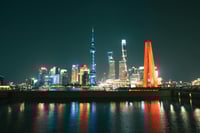
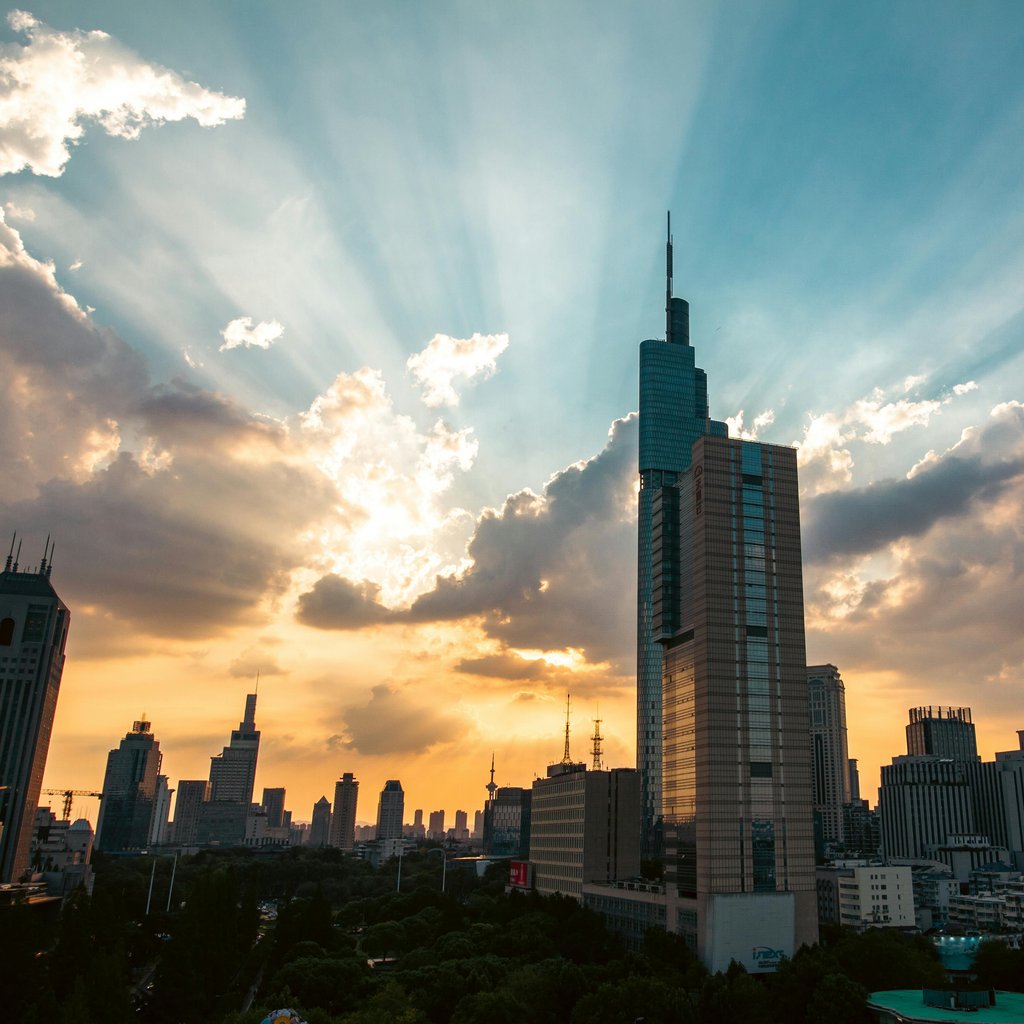
Stunning sunset over Nanjing city skyline, highlighting the Zifeng Tower.
Cheng Shi Song, Pexels

Nanjing offers a compelling blend of rich historical sites, vibrant local culture, and tranquil natural landscapes. Visitors can explore ancient imperial grounds, walk along historic city walls, and enjoy scenic lakes and mountains, making it ideal for those seeking a deep dive into China's heritage.

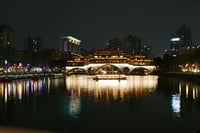
For socializing, the Confucius Temple Qinhuai River area provides a lively atmosphere with nightlife, shops, and eateries, especially beautiful in the evening with illuminated river cruises. Nanjing 1912 and Catherine Park also offer areas with bars and restaurants, catering to both locals and expats.

Top 6 Things to do in Nanjing

Visitors to Nanjing can explore ancient imperial sites, immerse themselves in rich cultural traditions, and find tranquility within sprawling parks and scenic mountains.

1. Walk the Nanjing City Wall

Walking along the ancient Ming Dynasty City Wall offers a unique perspective of Nanjing, showcasing its historical grandeur and providing panoramic views of the modern skyline. Sections near Xuanwu Gate offer excellent vistas of Xuanwu Lake and Purple Mountain. The wall, one of the largest ancient city walls ever built, features impressive gates and ramparts, offering a tangible connection to the city's past.

Cost: Entrance fees vary by section, for example, access to the wall near Xuanwu Lake can cost around ¥30 per person.

Transport: Several sections are accessible by metro or bus. For example, take Metro Line 1 to Zhonghua Gate or Xuanwu Gate. Buses 2, 16, 49, 63, 202, 302, 701, 706, D18 or G5 serve Zhonghua Gate, while buses 1, 8, 22, 25, 28, 30, 33, 35, or 56 go to Xuanwu Gate.


2. Explore the Confucius Temple (Fuzimiao) and Qinhuai River Scenic Area

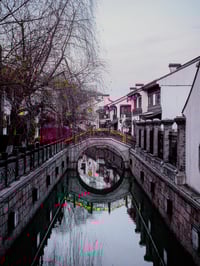
This lively district is the cultural heart of Nanjing, especially captivating in the evening when traditional architecture along the Qinhuai River is illuminated by lanterns. Taking a leisurely boat cruise on the 'Mother River' provides a different view of the city, passing by teahouses and traditional Ming and Qing-style buildings. The area is also excellent for enjoying local street food and shopping for souvenirs.

Cost: Qinhuai River cruises typically cost around ¥100.

Transport: The area is centrally located. Public transport options include various bus routes and metro lines. Taxis or Didi rides within the city center typically cost ¥9–¥40.

3. Visit Purple Mountain Scenic Area (Zijin Shan)

This vast forested area serves as Nanjing's 'lung,' offering a tranquil escape with fresh air and numerous historical sites. Key attractions include the majestic Sun Yat-sen Mausoleum, the tomb of the founder of the Republic of China, and the Ming Xiaoling Mausoleum, the resting place of the Ming Dynasty's first emperor. Exploring the winding paths and historical relics within the mountain provides both a natural and historical experience.

Cost: Access to different sites within Purple Mountain may have separate fees. A combined annual park pass for ¥260 can cover multiple attractions if planning extensive visits. A cable car ride costs ¥60 for a single trip and ¥100 for a round-trip.

Transport: Purple Mountain is located in the eastern suburbs. Take Bus No. 9 or Bus Y1 from the city center, for instance, from Xinjiekou. A Didi taxi from the city center might cost around ¥40.

4. Reflect at the Memorial Hall of the Victims in Nanjing Massacre by Japanese Invaders

This somber memorial serves as a profound reminder of the 1937 Nanjing Massacre. The museum’s exhibits, including photographs, artifacts, and personal accounts, offer a heartbreaking yet crucial insight into this historical tragedy. It is a place for solemn reflection and pays tribute to the countless lives lost, emphasizing the importance of peace.

Cost: Free, but online booking via WeChat is required and can be challenging for foreigners.

Transport: The memorial is accessible by public transport. Taxi fares within the city are generally affordable, starting from ¥10 and costing around ¥3 per kilometer.

5. Discover History at Nanjing Museum

As one of China's earliest and largest comprehensive museums, Nanjing Museum offers an extensive collection spanning over 8,000 years of Chinese history and culture. Visitors can explore ancient ceramics, calligraphy, paintings, and bronzeware, along with exhibits on the Republic of China period. An audio guide is recommended for non-Chinese speakers, as English information can be limited.

Cost: Free entry, but pre-booking tickets via their WeChat mini-app is essential, usually one week in advance. An English audio guide costs approximately ¥20.

Transport: The museum is located within the Zhongshan Gate area. It is reachable by various bus routes and metro lines. A taxi ride within the city would be an affordable option.

6. Enjoy Xuanwu Lake Park

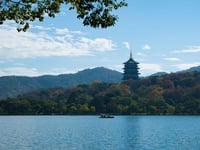
Xuanwu Lake is a picturesque urban park with five islands connected by charming arched bridges. It offers a peaceful retreat for walking, leisurely boat rides, and enjoying the natural beauty, including cherry blossoms in spring and views of the city skyline and Purple Mountain. It's a popular spot for locals for relaxation and recreation.

Cost: Admission to the park is free, though there might be a charge to access certain islands or for boat rentals.

Transport: The park is located near Nanjing Railway Station and Jiming Temple. It is easily accessible by Metro or bus. Take Metro Line 1 to Xuanwu Gate.
Discover destinations in China