Staying Safe in Nicaragua

Local Laws
When you're visiting Nicaragua, it's important to be mindful of their local laws and customs. For instance, foreign nationals aren't permitted to get involved in any political activities. This includes joining protests, sharing opinions about local politics online, or using national symbols for political campaigns. If these rules are broken, it could result in arrest, being held, or even deportation.
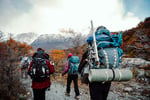
Nicaraguan law also requires tourists to use a local guide for most volcano hikes, including those on Ometepe Island. It's also a good idea to keep a valid form of identification with you at all times.
When you arrive, most visitors will need to buy a tourist entry stamp for $10 USD, payable in cash. This stamp is usually good for up to 90 days.
Some travelers might also need to show proof of a yellow fever vaccination, which must have been given at least 10 days before you enter the country.
Just a heads-up, customs rules can sometimes change, and officials might check personal electronic devices for any content that could be considered anti-government. Also, bringing in any weapons or military-style equipment without getting official permission beforehand is strictly forbidden.
LGBTQ+ Travellers
Nicaragua has legalized same-sex sexual activity and implemented some anti-discrimination protections for sexual orientation in areas such as employment and health services. However, the country does not legally recognize same-sex marriage or adoption, reflecting a predominantly conservative societal outlook.
While urban centers may exhibit more tolerance, LGBTQ+ travelers should be mindful of local customs and exercise discretion, particularly regarding public displays of affection, as social acceptance can vary significantly. Reports also indicate a challenging environment for LGBTQ+ activism and organizations under the current political climate.
Scams
When traveling in Nicaragua, it's good to be aware of common scams. You might encounter taxi drivers who try to charge more than the agreed-upon price or ask for extra fees, so it's always best to settle on the fare before you get in.
Be mindful of people who seem a bit too friendly, as they might be trying to distract you for pickpocketing or other theft. Also, watch out for street vendors who might shortchange you or claim their items are practically free.
There have been instances of people posing as police officers and demanding immediate fines, or individuals asking for money with stories about a "sick child" or needing help for locals. Keep an eye out for credit card and ATM fraud, especially in less populated areas.
It's also wise to be cautious about your food and drinks, as there's a risk of them being tampered with, which could lead to robbery or assault. If someone approaches you claiming to be an official or offering help you didn't ask for, it's a good idea to check their identification or simply politely say no.
Crime
When you're in Nicaragua, it's important to be aware that crime can be an issue, ranging from minor incidents to more serious ones. You might encounter pickpocketing and bag snatching, especially in busy spots like bus terminals, bustling markets (think Oriental, Huembes, and Mayoreo), and on public buses.
Unfortunately, more serious crimes like armed robbery, assaults, and what's known as "express kidnapping" can also occur. This latter type of crime involves criminals forcing people to withdraw money from ATMs, often after they've been tricked into getting into unofficial taxis. It's also worth noting that individuals in cars can be targeted, particularly if windows are down or doors are unlocked.
Some areas, particularly certain parts of Managua, like the area around the old cathedral and neighborhoods such as Rene Schick and Jorge Dimitrov, tend to have higher crime rates and more gang activity. You might also hear about highway robberies along routes like Tipitapa-Masaya and Managua-Leon.
To help keep yourself safe, it's a good idea to avoid walking alone after dark, especially in areas that aren't well-lit or are known for crime. Whenever possible, stick to using official taxis.