Staying Safe in Mexico

Local Laws
When you're in Mexico, it's really important to know that the laws around drugs are quite strict. If you're caught possessing, selling, or using illegal substances, you could face serious consequences like lengthy prison terms and hefty fines. The same goes for driving under the influence of alcohol or drugs – it's illegal and comes with significant penalties.
Mexico also has very strict rules about firearms and weapons. Even if it's by accident, bringing a weapon or even a single bullet into the country can get you arrested and imprisoned. If you need to bring a firearm, you absolutely must declare it when you arrive and get the correct permits beforehand.
There are also customs rules to be aware of. You can't bring in certain items, such as fruits, plants, or animal products. It's also generally a good idea to avoid being publicly drunk.
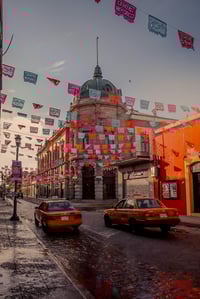
When you're getting around, make sure to use official, regulated taxis. As for personal presentation, it's best to dress modestly and avoid showing off expensive jewelry or carrying large amounts of cash.
When it comes to tipping, it's customary to leave 10-15% in restaurants. You'll also find that small tips are appreciated by people who help you with groceries or luggage.
A heads-up for smokers: in Mexico City, smoking – including e-cigarettes – isn't allowed inside restaurants and bars. However, many places do have designated outdoor areas where you can smoke.
LGBTQ+ Travellers
Mexico offers a nuanced experience for LGBTQ+ travelers. The country has made significant legal advancements, including nationwide marriage equality and federal laws prohibiting discrimination based on sexual orientation. Progressive social attitudes are more prevalent in major cities and popular tourist destinations, which feature visible LGBTQ+ communities and services.
However, outside these more cosmopolitan areas, traditional values can lead to less acceptance, and sadly, LGBTQ+ individuals, especially trans people, still face considerable discrimination and threats of violence. Therefore, exercising situational awareness and discretion with public displays of affection is generally advisable.
Scams
When visiting popular spots like Mexico, it's good to know about the common tricks some people try. One common one is the "something on you" pickpocket scam. Someone might "accidentally" spill something on you or point out a supposed stain, and while you're distracted, their partner will lift your wallet.
You'll also want to be careful with taxis. Stick to official ones, as unofficial drivers might try to overcharge you or take you on a longer, more expensive route. When using ATMs, it's best to use ones inside banks and remember to cover the keypad when entering your PIN to prevent card skimming.
Be wary of people pushing timeshares or fake tours; they often use aggressive sales tactics or outright scams. Vendors in tourist areas might also try to inflate prices, so it's wise to be aware of that. Similarly, car rental companies can sometimes add hefty charges for insurance or hidden fees, so read the fine print.
When arriving at the airport, watch out for people pretending to be your pre-booked driver or offering rides at inflated prices. Finally, always double-check your restaurant bills for any extra items or unexpected service charges that might have been added.
Crime
Mexico is a fantastic place to visit, but it's good to be aware that crime does happen. You'll most likely encounter petty theft and pickpocketing, especially in busy spots like markets, on public transport, or in popular tourist areas. Often, thieves work together, using distractions to their advantage.
While muggings are less frequent, they can occur in quieter, less populated places. More serious crimes like armed robbery and sexual assault do happen, but they tend to be concentrated in particular regions and don't usually affect tourists.
When you look at the numbers, only a tiny fraction of crimes in Mexico involve visitors. The biggest risks are usually found in areas with significant gang activity and drug-related crime, which are generally not where tourists go. That said, even in major cities, popular tourist spots, and resorts, instances of violent crime can still occur.