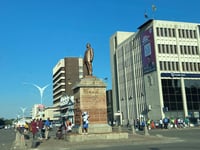
Staying Safe in Zimbabwe
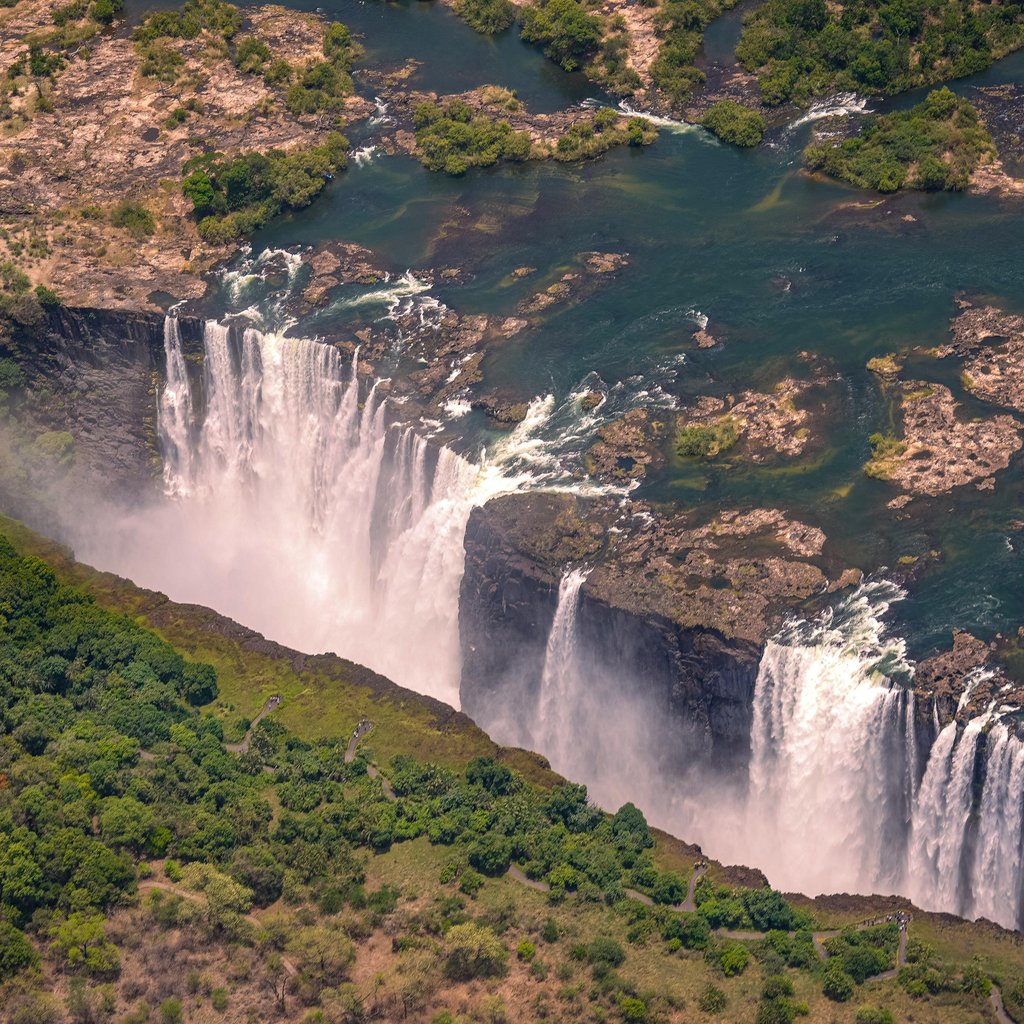
Local Laws
When traveling, it's important to be aware of the laws and customs. For instance, you'll need a license to legally hunt, capture, or trade any animals that are protected, or their parts.
When it comes to personal conduct, same-sex relationships are against the law and can result in criminal charges.
There are also strict rules about photography. You're not allowed to take pictures of airports, military sites, government buildings, the President's home, security personnel, political party offices, or embassies unless you have special permission. Breaking these rules can lead to serious consequences.
Similarly, dealing with illegal drugs, including marijuana, is a serious offense with severe penalties for possession, manufacturing, or distribution.
For your safety and to avoid any trouble, it's best to steer clear of political activities. This includes engaging in discussions, making comments, or participating in protests, as demonstrations can become unpredictable and potentially turn violent.
It's always a good idea to keep some form of identification with you, like a copy of your passport.
When visiting someone's home, it's considered a nice gesture to bring a small gift.
In rural areas, you'll find that modest dress is generally expected.
Lastly, if you plan on leaving Zimbabwe with more than US$2,000 in cash, you'll need to get specific approval from the Reserve Bank of Zimbabwe beforehand.
LGBTQ+ Travellers
Zimbabwe's legal framework includes strict laws criminalizing same-sex sexual activity between men, with potential penalties of fines or imprisonment, and same-sex marriage is constitutionally prohibited. Socially, the country holds largely conservative and often homophobic views, leading to significant discrimination, harassment, and violence against its LGBTQ+ citizens.
While these laws and attitudes create a challenging environment for local LGBTQ+ individuals, tourists generally report not being targeted by law enforcement, and popular tourist destinations like Victoria Falls tend to be more accepting, though discretion in public displays of affection is recommended.
Scams
When you're traveling, it's good to be aware of a few common tricks people might try. You might run into folks selling souvenirs that aren't the real deal, or taxi drivers who charge way more than they should.
Be careful with offers for "wildlife tours" that sound a bit too good to be true. Also, if you see flight or vacation deals that seem incredibly cheap, it could be a sign of a fake travel agency or a website that's just a copy of a real one.
You might also encounter situations where someone asks you to take their photo, then "accidentally" drops the camera and expects you to pay for it.
Another common one is when someone throws a white substance on you, claiming it's bird droppings. A helpful stranger might then offer to clean you up, but this is often a distraction for pickpocketing.
When using ATMs, be cautious of anyone offering unsolicited help, as they could be trying to steal your card information or see your PIN.
If you make new friends at a bar, be a bit wary if they suggest going to a different place where you might end up being overcharged. There have also been reports of issues with people not receiving sculptures they've paid for and arranged to have shipped. Lastly, it's always best to use officially registered tour guides to avoid any scams in that area.
Crime
You'll want to be aware that petty crimes like muggings, snatching bags, pickpocketing, and stealing from cars are quite common, particularly in cities and places where tourists tend to gather. You might also encounter more serious crimes, such as armed robbery and assaults. It's worth noting that criminals often look for people they think might be carrying a lot of cash.
The chances of becoming a victim of crime go up after dark, in the heart of cities, and in open spaces like parks. Car break-ins are a frequent issue, with thieves often targeting vehicles stopped at traffic lights.
This is especially true on the roads leading to and from Harare Airport, as well as along Churchill, Borrowdale, and Masvingo-Beitbridge roads. There have been reports of thieves slashing tires on stopped cars, then robbing the occupants when they pull over to fix the flat. Highway robberies are also a concern, particularly at night.
You're more likely to see crime in bigger cities like Harare and Bulawayo, and at popular tourist spots such as Victoria Falls, the waterfalls in Honde Valley, and safari camps in Hwange and Mana Pools national parks.