Chimanimani

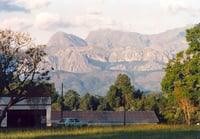
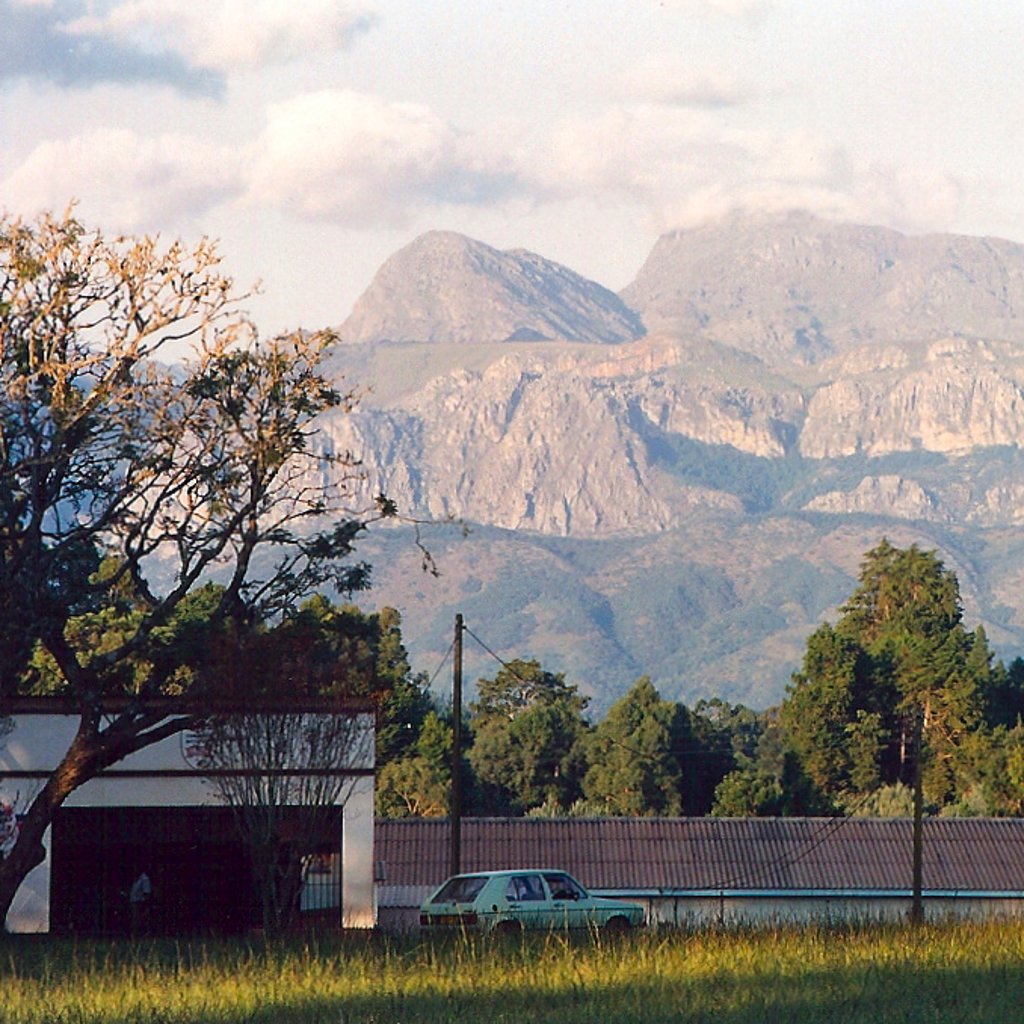
The Eastern Highlands of Zimbabwe, seen from the village of Chimanimani, Manicaland. The mountains form the border with Mozambique. The roofline in the centre is a small parade of shops - the centre of the village. Taken April 1995 on Fujifilm.
JackyR, Wikimedia Commons

Chimanimani, Zimbabwe, is a pristine mountain wilderness nestled in the Eastern Highlands, offering dramatic landscapes and a network of challenging hiking trails. It provides an immersive experience for those seeking untouched natural beauty and solitude.

Specific areas for socializing with other tourists or backpackers are not prominently featured. The destination primarily caters to visitors seeking individual or small-group adventures and a quiet immersion in nature, with accommodation often facilitating a more personal experience.

Top 4 Things to do in Chimanimani

Exploring Chimanimani offers a deep dive into nature through challenging mountain hikes, serene waterfall visits with opportunities for swimming, enriching birdwatching experiences, and engaging cultural village tours.

1. Mountain Hiking in Chimanimani National Park

The primary draw of Chimanimani is its extensive network of hiking trails within the National Park. Visitors can embark on diverse treks, from strenuous multi-day expeditions to accessible day hikes, uncovering hidden rock paintings and breathtaking viewpoints. Staying overnight in the basic mountain hut or designated caves provides an immersive wilderness experience. Due to the rugged terrain, engaging an experienced local guide is highly recommended for safety and to gain deeper insights into the unique flora and geology.

Cost: Chimanimani National Park entrance fee for non-residents is $10 per adult per day. Vehicle entry for foreign registered 4x4 vehicles is $10. Guided day hikes cost approximately $70 per person per day. For more challenging adventures, such as a two-day guided hike to Mount Binga, the cost is around $140 per person. Accommodation in the basic mountain hut is an additional $9 per person per night, plus a $3 conservation fee per person per night.

Transport: The National Park Base Camp is situated approximately 16-19 kilometers from Chimanimani village. The access road is unpaved and can be rough, making a 4x4 vehicle advisable. Taxis from the village to the base camp cost around $20 per car for a one-way trip. For those preferring self-sufficiency, the 16-kilometer journey can also be undertaken on foot.


2. Discovering Waterfalls and Natural Pools

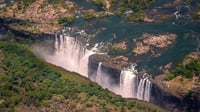
The Chimanimani region is adorned with several beautiful waterfalls and crystal-clear natural pools, inviting visitors for swimming and relaxation. Bridal Veil Falls, easily reachable from the village, offers a picturesque setting ideal for picnics and a refreshing dip in its cool waters. Tessa's Pool, nestled in a wild and serene valley, provides another tranquil spot for a swim. Horoni Falls, a recently recognized attraction, is gaining popularity among those seeking spiritual retreats and natural calm. Exploring these aquatic gems offers a peaceful counterpoint to the more strenuous mountain activities.

Cost: Entry to the Bridal Veil Falls picnic/camping/scenic area is $10 per person for international guests. However, this fee is waived if you present a valid Chimanimani National Park entry receipt for the same or previous days of your stay in the park. Costs for visiting other falls like Tessa's Pool or Horoni Falls may be covered by the National Park entrance fee if located within its boundaries, or they may incur a guide's fee if accessed as part of a guided tour.

Transport: Bridal Veil Falls is located approximately 4-5 kilometers from Chimanimani village, accessible by a walk of about an hour or a short drive. The gravel road to the falls can be challenging, with a 4x4 vehicle often recommended, though some standard vehicles may manage. Tessa's Pool is typically accessed as part of a hike into the Chimanimani Mountains. Horoni Falls, situated in Chinamira Ward along the Biriiri River, currently lacks developed infrastructure, making access more difficult and likely necessitating a hired vehicle or guided tour. Muhohwa Falls is about 35 kilometers from the main village, requiring car transport.

3. Birdwatching in a Biodiversity Hotspot

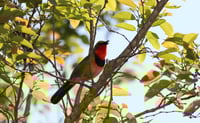
Chimanimani is a prime destination for bird enthusiasts, hosting over 450 bird species, including 23 unique to the Afrotropical Highland biome. Birdwatching can be a dedicated activity or seamlessly integrated into hiking excursions within Chimanimani National Park and the surrounding community areas. Notable species include iridescent Sunbirds, long-tailed Weavers, and various birds of prey. The Eland Sanctuary and areas around Bridal Veil Falls and Tessa's Pool are particularly rewarding for sightings.

Cost: Birdwatching within the National Park is included in the daily park entrance fee of $10 for non-residents. For a more focused experience, guided birdwatching tours are available from approximately $70 per person per day. This cost typically excludes transport, park entry fees, food, and accommodation.

Transport: Depending on the chosen birding locations, transport needs can vary. Some prime spots are within walking distance of the village or accessible via short drives. For more remote areas within the National Park or specific sanctuaries, a vehicle or guided transport will be necessary. Local guides can assist with arranging suitable transportation.

4. Engaging with Local Culture and Community

Experience the vibrant local culture of Chimanimani by visiting the village and engaging directly with its friendly residents. Opportunities abound for authentic cultural immersion, including participating in hands-on cooking classes to learn how to prepare traditional Zimbabwean meals such as Sadza, visiting local primary schools, or interacting with traditional healers. These experiences offer a genuine glimpse into daily life in rural Zimbabwe and foster a deeper connection with the community.

Cost: A full-day cultural or village tour with a local guide is available from approximately $70 per person. This price is generally for the guiding service and often excludes additional costs such as transport, park entry fees (if applicable to specific tour elements), food, and accommodation, as tours are often customized to individual interests.

Transport: Cultural tours typically commence from your accommodation in Chimanimani village. Activities often involve walking within the village itself or short drives to nearby community areas, which a local guide can help facilitate.

Discover destinations in Zimbabwe