Staying Safe in The Gambia
Local Laws
When visiting The Gambia, remember that it's a country where Islam is the main religion, and this really shapes the local laws and traditions. It's always best to show respect for these customs, as well as the laws and religious practices you encounter.
When it comes to dress, it's a good idea to dress modestly, particularly if you're in rural areas or visiting religious places. For women, this means covering your shoulders and knees. For men, it's best to avoid sleeveless shirts. You'll also find that public drunkenness isn't looked upon kindly.
Please be aware that drug laws here are taken very seriously. If you're caught with drugs, even marijuana, you could face lengthy prison sentences and significant fines. If you're bringing prescription medication, it's wise to have proof of your prescription. There have been instances where people have been arrested for carrying unlabelled pills.
It's also important to know that same-sex sexual activity is against the law and can result in imprisonment.
For your own safety and to avoid any issues, always keep a copy of your passport or ID with you. Police sometimes carry out random checks.
When you're taking photos, always ask for permission before photographing people, especially in the countryside. It's also against the law to photograph military personnel, government buildings, or airports because of security reasons.
Finally, never accept packages on behalf of someone else unless you are absolutely sure of what's inside.
LGBTQ+ Travellers
The Gambia presents significant challenges for LGBTQ+ travelers, as same-sex sexual activity is illegal for both men and women, with penalties potentially including life imprisonment for "aggravated homosexuality." Laws also criminalize the gender expression of transgender individuals, making it illegal for men to dress as women.
While some reports suggest less active enforcement in recent years, arrests have occurred, and there are no legal protections against discrimination based on sexual orientation or gender identity. Society remains largely conservative, with widespread discrimination and a hostile environment for LGBTQ+ individuals.
Scams
When visiting The Gambia, it's good to be aware of some common scams that travellers sometimes encounter. You might meet young men, often called 'bumsters', particularly on the beaches. They might approach tourists, sometimes using romance as a way to ask for money or assistance. They could also offer to be your guide or companion, expecting payment for their services.
It's also wise to be careful with your credit card. Always try to keep your card in sight when you're making a purchase. Unfortunately, online scams are quite prevalent, often involving friendships, romance, or business deals that can originate from West Africa, including The Gambia. If you plan to meet someone you've met online in The Gambia, please be aware that there's a risk of kidnapping, assault, or robbery.
You might also be offered marijuana, and sometimes this is a setup where police are waiting to ask for a bribe. Be cautious of people who claim to be officials, especially at the airport, as they might try to take your passport.
Scammers may also try to get money from you by making up stories, like needing funds for school fees, food, a naming ceremony, or malaria medication. Some might ask you to sign a 'guestbook' for an event and then pressure you for a donation.
If someone approaches you claiming to know you, perhaps as "Kebba, the repairman," and then asks to borrow money, it's best to be suspicious. Land scams are also a concern, where agents might sell the same piece of land to several people or sell land they don't actually own. A good rule of thumb is to never send money to anyone in The Gambia unless you've thoroughly confirmed their identity.
Crime
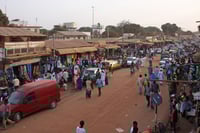
You'll find that petty crime is quite common in The Gambia, particularly in places where tourists tend to gather and in busy public spots. This often involves things like pickpocketing and snatching bags, especially in markets, on ferries, and along the tourist beaches. People have also reported theft from hotel rooms and cars. While less frequent, muggings can sometimes occur on beaches after dark.
To help keep yourself safe, it's a good idea to steer clear of walking alone at night, particularly on the beaches. When you're in a vehicle, make sure your windows are up and the doors are locked, and always double-check that your accommodation is secured, even when you're inside.
It's also wise to avoid showing off expensive items like cash, electronics, jewelry, or watches. While serious violent crime targeting foreigners isn't a widespread issue, it's worth noting that criminals might use force if someone tries to resist them.