Staying Safe in Tanzania
Local Laws
When visiting Tanzania, especially Zanzibar, it's important to be aware of their conservative dress and behavior expectations. For women, it's best to steer clear of shorts or sleeveless tops when you're outside of tourist areas. It's also a good idea to keep public displays of affection to a minimum.
Please note that possessing or accessing pornographic material is against the law. Similarly, same-sex relations are illegal and can result in imprisonment. The use of illegal drugs is strictly forbidden and carries serious consequences. Be mindful that Tanzania has cybercrime laws that extend to social media activities.
When it comes to photography, it's illegal to take pictures of military or police personnel, government buildings, military installations, or airports. Always seek permission before photographing local people, religious figures, or members of the Maasai community.
The legal drinking age is 18, and being publicly intoxicated is not permitted. Driving under the influence of alcohol or drugs is also illegal.
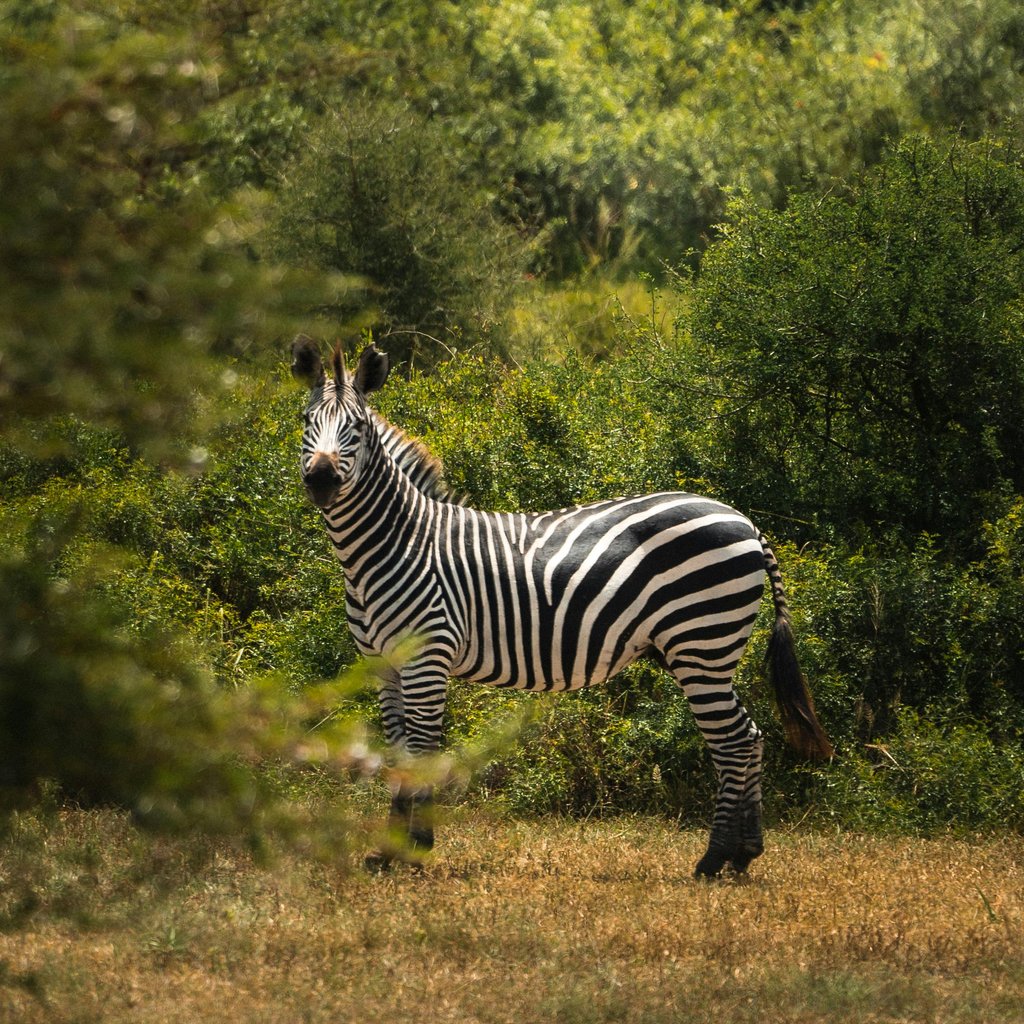
It's against the law to feed, harass, or get too close to wild animals. Furthermore, you cannot buy, possess, or export wildlife products such as ivory or skins from endangered animals. Littering within national parks is also prohibited.
If you're carrying more than USD 10,000 in cash, you'll need to declare it when you enter and leave the country. Lastly, individuals who are not residents of Tanzania are not permitted to import or export Tanzanian shillings.
LGBTQ+ Travellers
Tanzania presents a challenging environment for LGBTQ+ travelers due to its strict legal framework and deeply ingrained social attitudes. Same-sex sexual acts are illegal and carry severe penalties, including lengthy prison sentences, reflecting widespread societal disapproval. While tourists may experience fewer direct interventions than residents, public displays of affection are not tolerated, and discretion is crucial. The overall climate is largely unwelcoming, with significant discrimination and prejudice against LGBTQ+ individuals.
Scams
When visiting Tanzania, it's good to be aware of a few common scams that travelers sometimes run into. For safaris, stick to licensed tour operators and guides who have official identification. If a safari price seems too good to be true, it probably is.
You might also encounter taxi drivers who try to overcharge, especially in busy tourist spots like Dar es Salaam and Zanzibar. It's safer to use taxis that are part of a registered service or use ride-sharing apps.
When it comes to ferries, be cautious of people selling tickets on the side. They might offer tickets for ferries that are either full or don't actually exist, and at much higher prices. Your best bet is to buy tickets directly from official ticket counters or trusted vendors.
For currency exchange, avoid street money changers who offer unusually good rates. They might end up cheating you or simply taking your money and vanishing. It's always best to use banks or official exchange bureaus. Be mindful of ATMs too; credit card skimming can happen, so try to use machines located in secure places, like inside banks.
You might also find that some food vendors remove price tags to charge more than they should. Another thing to watch out for is people who approach you offering to share money they've "found." This is often a trick to get you into a situation where they can rob you.
If you're looking to buy Tanzanite, make sure you're purchasing it from reputable shops to avoid fake stones. Similarly, when you need a SIM card, only buy them from official stores.
There have also been reports of scams where strangers become friendly with tourists, only to lead them into situations where they can steal their money or belongings. Lastly, when paying with a credit card, double-check your receipt, as some vendors might try to charge you twice.
Crime
It's important to be aware that crime can be an issue for visitors in Tanzania, with reports of both minor and more serious incidents. You might encounter things like mugging, petty theft, and bag snatching, especially in busy spots like bus terminals, markets, and nightlife areas in cities such as Dar es Salaam, Arusha, and Stone Town in Zanzibar.
Keep an eye out for bag snatching from moving vehicles too; sadly, some people have been hurt or worse trying to stop it, so it's best not to resist if this happens. More serious crimes like armed robbery, carjacking, and home invasions do happen, particularly in Dar es Salaam and around Arusha.
There have also been reports of 'express kidnappings' in Dar es Salaam, where tourists are taken, sometimes after being approached by strangers or using unofficial taxis, and forced to withdraw money from ATMs. Sadly, sexual assaults have also occurred.
To help stay safe, it's a good idea to avoid walking alone after dark, especially in areas that aren't well-lit or that you don't know well. Stick to licensed taxis and always be mindful of what's going on around you, particularly in popular tourist areas like national parks and beaches.
Try not to draw attention to yourself by flashing expensive items like jewelry, electronics, or large amounts of cash. When you're walking, carry your bags in a way that makes them easy to let go of and walk facing the traffic so you can see approaching vehicles. Always keep your car doors locked and windows up while you're driving.
It's also worth noting that there's a risk of terrorist attacks, which could happen anywhere in public spaces.