Staying Safe in Morocco
Local Laws
When you're visiting Morocco, it's really important to be mindful of and respect the local laws and traditions. Morocco is a conservative Islamic country, so dressing modestly is a good idea, particularly when you're in religious sites or out in the countryside. For women, it's generally best to cover your shoulders and knees. Men should also steer clear of wearing sleeveless shirts in public. You'll find that public displays of affection, like kissing or hugging, aren't really common or encouraged.
Most mosques are off-limits to non-Muslims, though there are a few notable exceptions, such as the Hassan II Mosque in Casablanca.
If you want to take photos of people, especially women, always ask for their permission first. During the holy month of Ramadan, it's a sign of respect to refrain from eating, drinking, or smoking in public during the fasting hours.
It's also customary to use your right hand for eating and for greeting others, as the left hand is traditionally considered unclean.
Just so you know, drug possession is taken very seriously in Morocco and carries severe penalties. While it's not technically illegal for tourists to express their opinions, it's best to avoid any public criticism of religion, the Prophet Muhammad, the King, or the monarchy.
LGBTQ+ Travellers
Morocco's laws criminalize same-sex sexual activity, with penalties including imprisonment and fines, reflecting a deeply rooted legal framework based on traditional Islamic principles. Social attitudes towards LGBTQ+ individuals are largely conservative, with a significant majority of the population holding negative views and public displays of affection generally frowned upon for all couples.
While enforcement of these laws can be inconsistent, particularly for foreign visitors in larger cities like Marrakech and Tangier, discretion is strongly advised to ensure personal safety and respect local customs. Therefore, LGBTQ+ travelers should exercise significant caution, avoid any public displays of affection, and remain mindful of the prevailing cultural and legal environment.
Scams
When visiting Morocco, it's good to be aware that travelers can sometimes run into scams. You might find people posing as tour guides who approach you out of the blue, offer their services, and then ask for a lot more money than expected. Similarly, taxi drivers might not want to use their meters or could try to charge you too much.
You could also come across individuals offering "free" henna tattoos, only to aggressively demand payment afterward. Be cautious of people trying to sell you counterfeit items like argan oil or saffron. It's also wise to be wary of unsolicited offers to visit tanneries for free, as these often turn into pushy sales pitches or demands for cash.
In popular public areas, street performers or those with animals might encourage you to take photos and then expect payment. Currency exchange scams are another thing to watch out for, where people might offer what seems like a better rate.
To stay safe, it's recommended to stick with official guides who have government badges, either agree on a taxi fare before you start your journey or insist on using the meter, politely refuse "free" offers, and only buy items from shops that are officially certified.
Crime
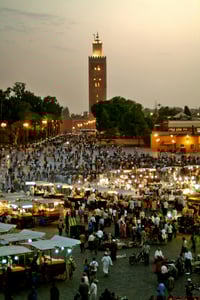
When visiting Morocco, you'll generally find it to be a safe place for travelers. However, it's worth being aware that minor crimes, like pickpocketing and bag-snatching, do happen, especially in crowded spots such as the medinas and beaches in popular cities like Marrakech, Fez, Casablanca, and Rabat. You might also encounter thieves on motorcycles who target visible jewelry or handbags.
While serious crimes against tourists are less common, they can happen. Occasionally, attackers might use knives during street incidents, thefts, or break-ins. To help keep yourself safe, it's a good idea to steer clear of quiet areas, particularly after dark, and it's best not to carry large sums of cash or expensive items. Keeping your phone and wallet tucked away and out of sight is also a wise precaution.